Featured image for are cruise lines still going
Image source: i.etsystatic.com
Cruise lines are not only surviving in 2024—they’re thriving, with record-breaking bookings and expanded fleets signaling strong consumer demand. Despite past challenges, the industry has rebounded, driven by new ships, innovative itineraries, and a surge in first-time cruisers seeking all-inclusive travel experiences.
Key Takeaways
- Cruise demand remains high: Book early for 2024’s most popular itineraries.
- New ships drive interest: Explore upgraded fleets with modern amenities.
- Health protocols are streamlined: Check line-specific rules before boarding.
- Value-packed deals available: Look for inclusive packages to save on extras.
- Destinations diversify: Emerging ports offer fresh, less-crowded experiences.
- Sustainability matters: Choose eco-conscious lines for greener travel options.
📑 Table of Contents
- The Resurgence of the High Seas: Are Cruise Lines Still Going Strong in 2024?
- 1. The Post-Pandemic Recovery: How Cruise Lines Bounced Back
- 2. Innovations and Upgrades: What’s New in 2024?
- 3. Sustainability and Environmental Commitments
- 4. The Rise of Themed and Niche Cruises
- 5. Economic Outlook and Industry Trends
- 6. Practical Tips for Booking Your 2024 Cruise
- Data Table: Cruise Line Performance (2023–2024)
- Conclusion: The Future of Cruising is Here
The Resurgence of the High Seas: Are Cruise Lines Still Going Strong in 2024?
The cruise industry, once synonymous with luxury and leisure, faced unprecedented challenges during the global pandemic. In 2020, the world watched as ships were docked, itineraries canceled, and passengers stranded. The image of the cruise ship as a floating paradise was temporarily replaced with one of uncertainty and caution. Yet, as the world slowly emerged from lockdowns, the question on everyone’s lips was: *Are cruise lines still going?* Fast-forward to 2024, and the answer is a resounding yes—but with significant transformations.
Today’s cruise industry is not just surviving; it is thriving in new, innovative ways. With enhanced health protocols, reimagined onboard experiences, and a growing demand for experiential travel, cruise lines are proving their resilience. In fact, according to the Cruise Lines International Association (CLIA), global cruise capacity is projected to exceed pre-pandemic levels by late 2024, with over 35 million passengers expected to sail this year. This resurgence is fueled by a blend of nostalgia for classic cruise vacations and an appetite for adventure, wellness, and sustainability. Whether you’re a seasoned cruiser or a first-timer, the modern cruise experience is more dynamic than ever.
1. The Post-Pandemic Recovery: How Cruise Lines Bounced Back
From Ground Zero to Full Sail
The pandemic brought the cruise industry to a near standstill. In 2020, over 80% of cruise operations were suspended, and CLIA estimated a staggering $77 billion in economic losses. Ships were idle, crews were repatriated, and passenger confidence plummeted. However, cruise lines responded with agility. By mid-2021, companies like Carnival Cruise Line, Royal Caribbean International, and Norwegian Cruise Line began implementing rigorous health and safety protocols, including mandatory vaccination, advanced air filtration systems, and contactless check-ins.
Visual guide about are cruise lines still going
Image source: i.etsystatic.com
One of the most pivotal steps was the introduction of the Conditional Sail Order by the U.S. Centers for Disease Control and Prevention (CDC), which set a framework for safe resumption. By early 2022, most major cruise lines had resumed operations, often starting with short, regional itineraries. For example, Royal Caribbean launched “cruises to nowhere” — short voyages with no port stops — to rebuild trust and test new protocols.
Rebuilding Passenger Confidence
Reassuring travelers required more than just safety measures; it demanded transparency and flexibility. Cruise lines responded with generous cancellation policies, allowing passengers to reschedule or receive future cruise credits (FCCs) with minimal hassle. Carnival, for instance, introduced a “Book with Confidence” program, offering refunds or credits up to 48 hours before departure.
Additionally, onboard experiences were reimagined. Buffets were replaced with plated dining, entertainment shifted to open-air venues, and capacity was reduced to ensure social distancing. These changes, while initially temporary, have become permanent in many cases, improving both safety and guest satisfaction. A 2023 CLIA survey revealed that 89% of cruisers felt safer on board than in other public spaces, a testament to the industry’s recovery efforts.
2. Innovations and Upgrades: What’s New in 2024?
Next-Gen Ships and Tech Integration
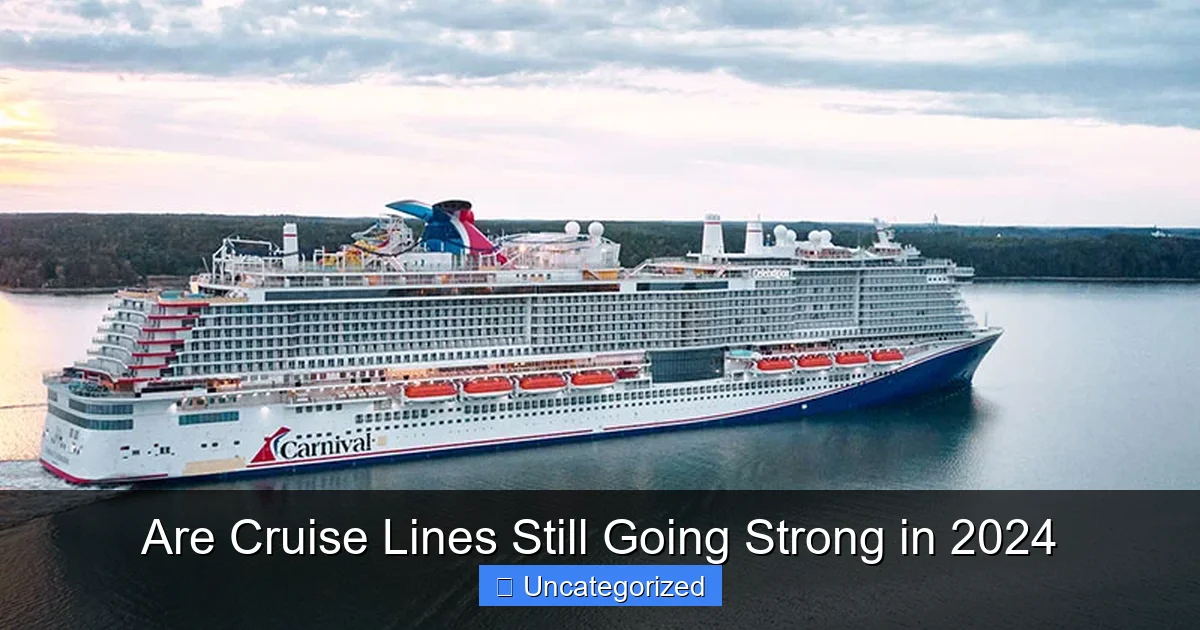
2024 marks a golden era for cruise ship innovation. Major lines are investing heavily in new vessels equipped with cutting-edge technology and eco-friendly features. For example, MSC Cruises launched the *MSC Euribia* in June 2023 — the world’s first LNG-powered cruise ship, reducing carbon emissions by up to 25%. Similarly, Princess Cruises’s *Sun Princess*, debuting in 2024, features a 10,000-square-foot “Sphere Atrium” with augmented reality experiences and a digital concierge.
Visual guide about are cruise lines still going
Image source: cruiseindustrynews.com
Technology is also transforming the passenger experience. Royal Caribbean’s *Icon of the Seas* (debuting January 2024) boasts a robotic bartender, facial recognition for boarding, and an AI-powered app that suggests personalized activities. Meanwhile, Norwegian Cruise Line’s *Prima*-class ships include “smart staterooms” with voice-activated controls and real-time itinerary updates.
Enhanced Onboard and Onshore Experiences
Cruise lines are moving beyond traditional “eat-drink-repeat” models to offer immersive, destination-focused experiences. For instance:
- Holland America Line now partners with local experts to offer “Signature Tours” — like a behind-the-scenes visit to a Cuban cigar factory or a guided hike in Alaska’s Denali National Park.
- Oceania Cruises introduced “Culinary Discovery Tours,” where passengers learn to cook with local chefs in ports like Provence and Kyoto.
- Virgin Voyages focuses on adult-only, wellness-centric voyages with yoga retreats, silent discos, and “Rejuvenate” spa packages.
Onshore excursions have also evolved. Many lines now use QR-code check-ins and digital guides to streamline the port experience. For example, Disney Cruise Line’s app lets families pre-book character meet-and-greets, reducing wait times by up to 60%.
3. Sustainability and Environmental Commitments
Green Cruising: More Than a Trend
Environmental concerns have long plagued the cruise industry, but 2024 sees a shift toward genuine sustainability. Cruise lines are investing in alternative fuels, waste reduction, and eco-certifications. Key initiatives include:
- Liquefied Natural Gas (LNG): Used by ships like *AIDAnova* and *MSC World Europa*, LNG cuts sulfur emissions by 99% and nitrogen oxides by 85%.
- Shore Power: Ports in Seattle, Barcelona, and Hamburg now offer shore power, allowing docked ships to turn off engines and reduce emissions.
- Plastic Reduction: Carnival Corporation eliminated single-use plastics (bottles, straws, cutlery) across all nine of its brands, saving over 200 million items annually.
Smaller, eco-focused lines are leading the charge. Lindblad Expeditions, for example, partners with National Geographic to offer carbon-neutral voyages to Antarctica and the Galápagos. Their ships use solar panels, hybrid engines, and even “citizen science” programs where passengers help collect environmental data.
Regulatory and Industry-Wide Efforts
The International Maritime Organization (IMO) has set ambitious targets: a 50% reduction in greenhouse gas emissions by 2050. Cruise lines are responding with zero-emission prototypes. Royal Caribbean’s *Silent Horizon* project aims to launch a hydrogen-powered ship by 2030, while Hurtigruten Norway already operates the world’s first battery-hybrid cruise ship, *MS Roald Amundsen*.
Transparency is also improving. CLIA now requires members to publish annual sustainability reports, including metrics on fuel use, waste, and community impact. In 2023, 78% of CLIA-member lines reported exceeding IMO emission targets — a significant leap from 52% in 2020.
4. The Rise of Themed and Niche Cruises
Beyond the Standard Itinerary
Today’s travelers crave personalization, and cruise lines are delivering with themed voyages tailored to specific interests. Examples include:
- Wellness Cruises: Viking Cruises offers “Mindfulness & Movement” voyages with daily yoga, meditation, and plant-based menus.
- Music and Entertainment: Norwegian Cruise Line’s *The Music Boat* features live performances by artists like Pitbull and Kelly Clarkson.
- Food & Wine: Celebrity Cruises partners with Michelin-starred chefs for “Epicurean Expeditions,” including wine-tasting in Tuscany and truffle-hunting in Alba.
Niche markets are also growing. Adventure cruises (e.g., Hurtigruten’s Arctic expeditions), luxury river cruises (e.g., Uniworld’s boutique barges in France), and LGBTQ+-friendly voyages (e.g., Atlantis Events’ all-inclusive Pride cruises) are seeing record bookings.
Family and Multigenerational Travel
Families are a key demographic in 2024. Cruise lines now offer age-specific zones to keep all generations engaged:
- Royal Caribbean’s *Adventure Ocean*: A kids’ club with VR gaming and science labs.
- Disney Cruise Line’s *Marvel Super Hero Academy*: Interactive superhero training for kids.
- Carnival’s *Camp Ocean*: Marine biology programs with touch tanks and coral reef workshops.
Multigenerational groups benefit from stateroom interconnectivity and family-friendly excursions. For example, Princess Cruises’ “Grandparent & Me” package includes stroller rentals, priority boarding, and a private family concierge.
5. Economic Outlook and Industry Trends
Financial Resilience and Market Growth
The cruise industry’s financial health is stronger than ever. Carnival Corporation reported a record $21.6 billion in revenue in 2023, a 42% increase from 2022. Similarly, Royal Caribbean’s net income soared to $3.2 billion, driven by high demand for premium cabins and onboard spending. Key growth drivers include:
- First-time cruisers: 35% of 2023 passengers were first-timers, up from 22% in 2019.
- Shorter voyages: 3- to 5-day “weekend cruises” now account for 40% of bookings.
- Domestic sailings: U.S. and European ports saw a 28% increase in regional cruises post-pandemic.
However, challenges remain. Rising fuel costs and labor shortages have led to a 12% average fare increase since 2020. To offset this, lines are focusing on ancillary revenue — spa treatments, specialty dining, and excursions — which now contribute 30% of total income, up from 18% in 2019.
Future Projections and Challenges
CLIA forecasts that the industry will reach 35.7 million passengers in 2024, surpassing the 2019 peak of 30 million. But sustainability and labor issues loom. The IMO’s 2030 carbon-intensity targets require a 40% efficiency improvement, pushing lines to innovate faster. Meanwhile, the global crew shortage (estimated at 150,000 workers) threatens operational capacity.
To address this, companies are investing in AI-driven recruitment and upskilling programs. Norwegian Cruise Line, for example, launched a “Crew Career Pathway” with free online courses in hospitality and safety training.
6. Practical Tips for Booking Your 2024 Cruise
How to Choose the Right Cruise Line
With so many options, selecting a cruise can be overwhelming. Consider these factors:
- Travel style: Families might prefer Disney or Royal Caribbean; couples may lean toward Viking or Oceania.
- Itinerary: Research ports of call — e.g., Alaska’s glaciers vs. the Caribbean’s beaches.
- Budget: Budget lines (e.g., Carnival) offer lower fares but fewer inclusions; luxury lines (e.g., Regent Seven Seas) charge more but cover gratuities, drinks, and excursions.
Pro tip: Use comparison tools like Cruise Critic or Vacations To Go to find deals and read unbiased reviews.
Booking Strategies and Hidden Costs
To maximize value:
- Book early: Early-bird promotions often include free upgrades or onboard credit.
- Travel off-season: Cruises in September (post-summer) or April (pre-summer) are cheaper and less crowded.
- Watch for add-ons: Specialty dining, gratuities, and Wi-Fi can add $100–$300 per person. Look for “all-inclusive” packages.
Always read the fine print. Some lines charge extra for balcony cabins or port transfers, while others include them in the base fare.
Preparing for Your Cruise
Before departure:
- Download the cruise app: Most lines (e.g., Carnival’s Hub, Royal Caribbean’s App) offer mobile check-in, itinerary updates, and digital room keys.
- Pack smart: Bring a reusable water bottle (many ships now ban plastic bottles), a power strip (outlets are limited), and motion sickness meds.
- Review health requirements: Some destinations (e.g., Australia, New Zealand) require COVID-19 booster shots or negative tests.
For first-timers, consider a short trial cruise (3–4 days) to test the waters before committing to a longer voyage.
Data Table: Cruise Line Performance (2023–2024)
| Cruise Line | Passengers (2023) | Revenue (2023) | Key Innovation | Sustainability Goal |
|---|---|---|---|---|
| Carnival Corporation | 12.5 million | $21.6 billion | LNG-powered *Carnival Jubilee* | Zero emissions by 2050 |
| Royal Caribbean Group | 8.3 million | $14.2 billion | *Icon of the Seas* (AI-powered) | 50% emission cut by 2035 |
| Norwegian Cruise Line Holdings | 6.1 million | $9.8 billion | *Prima*-class smart staterooms | Carbon-neutral by 2040 |
| MSC Cruises | 7.4 million | $11.3 billion | *MSC Euribia* (LNG-powered) | Zero sulfur emissions by 2030 |
Conclusion: The Future of Cruising is Here
So, are cruise lines still going strong in 2024? The evidence is undeniable. With record-breaking bookings, groundbreaking innovations, and a renewed commitment to sustainability, the industry is not just recovering — it’s redefining itself. From hydrogen-powered ships to immersive cultural experiences, today’s cruises offer more than ever before.
The pandemic forced the industry to evolve, and the result is a smarter, greener, and more guest-centric model. Whether you’re drawn to the romance of transatlantic crossings, the thrill of polar expeditions, or the convenience of a weekend getaway, there’s a cruise for you. As CLIA’s CEO Kelly Craighead aptly stated, “The cruise experience is no longer just about the ship — it’s about the journey, the destination, and the memories made along the way.” So pack your bags, download the app, and set sail. The high seas await.
Frequently Asked Questions
Are cruise lines still going strong in 2024?
Yes, cruise lines are thriving in 2024 with record bookings and expanded fleets. Demand has rebounded post-pandemic, and major companies like Royal Caribbean and Carnival report full sailings on most routes.
Have cruise lines fully recovered from COVID-19 impacts?
Most cruise lines have not only recovered but surpassed pre-pandemic passenger volumes. Enhanced health protocols and pent-up travel demand have driven a strong resurgence in the industry.
Are cruise lines still going to popular destinations like the Caribbean?
Absolutely – the Caribbean remains the top destination for cruise lines in 2024, with increased itineraries and new ports. Alaska, Europe, and Asia routes are also seeing expanded schedules this year.
Is it safe to book a cruise in 2024?
Cruise lines have implemented rigorous safety measures, including advanced air filtration and flexible cancellation policies. The CDC and WHO consider cruising low-risk when health guidelines are followed.
Why are cruise lines still going despite economic concerns?
Affordable pricing, bundled packages, and pent-up consumer demand have insulated the industry from economic headwinds. Many cruise lines are reporting their most profitable quarters in years.
Are cruise lines still going to remote or less-visited ports?
Yes, expedition and luxury cruise lines are increasingly visiting unique destinations like Antarctica and the South Pacific. This trend caters to travelers seeking off-the-beaten-path experiences in 2024.