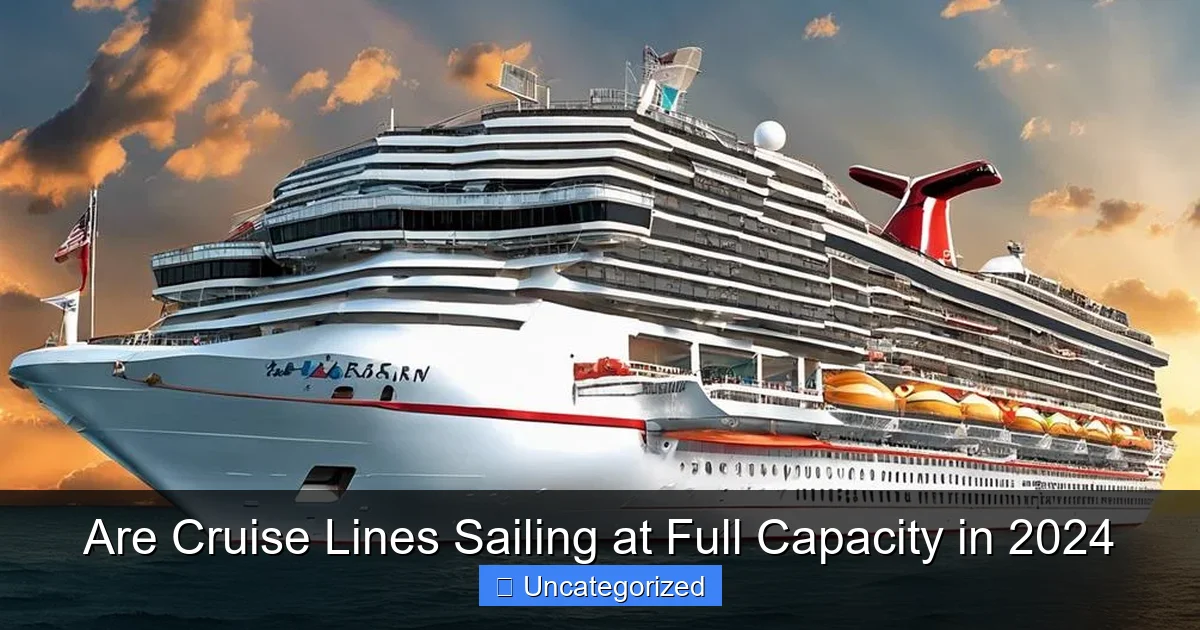
Featured image for are cruise lines sailing at full capacity
Image source: voyagerinfo.com
Most cruise lines are sailing at or near full capacity in 2024, reflecting a strong rebound in demand post-pandemic. With record bookings and expanded fleets, major operators like Carnival, Royal Caribbean, and Norwegian are reporting occupancy rates exceeding 95%, signaling a return to pre-2020 levels and heightened traveler confidence.
Key Takeaways
- Most lines hit 90-100% capacity: 2024 sailings are nearly full, signaling strong recovery.
- Book early for best options: High demand means limited last-minute availability on popular routes.
- New ships drive higher occupancy: Modern vessels attract more guests with upgraded amenities.
- Premium cabins sell out fastest: Luxury suites and balcony rooms go first—prioritize if desired.
- Shoulder seasons offer deals: Lower demand in spring/fall means discounts and better availability.
- Capacity ≠ passenger comfort: Even full ships feel spacious due to improved onboard design.
📑 Table of Contents
- The Cruise Comeback: Are Cruise Lines Sailing at Full Capacity in 2024?
- Current State of Cruise Capacity: A Post-Pandemic Recovery
- Why Some Cruise Ships Are Still Not at Full Capacity
- How Cruise Lines Are Maximizing Revenue (Without Full Capacity)
- What Travelers Should Know Before Booking in 2024
- Future Outlook: Will Full Capacity Become the Norm?
- Data Table: 2024 Cruise Capacity by Major Line
The Cruise Comeback: Are Cruise Lines Sailing at Full Capacity in 2024?
After a turbulent few years defined by global shutdowns, health protocols, and cautious travelers, the cruise industry is finally regaining its sea legs. The year 2024 marks a pivotal moment in the sector’s recovery, with major cruise lines reporting record-breaking bookings, new ship launches, and a surge in demand. But the big question on every traveler’s mind is: Are cruise lines sailing at full capacity in 2024? The answer isn’t a simple yes or no—it’s a nuanced reflection of evolving consumer behavior, supply chain realities, and the delicate balance between profitability and safety.
From luxury liners to budget-friendly megaships, cruise lines are navigating a complex landscape shaped by pent-up demand, inflation, staffing challenges, and shifting itineraries. While some vessels are indeed operating at or near 100% capacity, others are still adjusting to a post-pandemic world where travelers are more selective, and operators are more cautious. This blog post dives deep into the current state of cruise capacity, analyzing data, trends, and real-world examples to provide a comprehensive picture of what’s really happening on the high seas in 2024.
Current State of Cruise Capacity: A Post-Pandemic Recovery
Capacity Trends Across Major Cruise Lines
As of early 2024, the cruise industry is experiencing a strong rebound, but full capacity varies significantly by brand, region, and ship size. According to the Cruise Lines International Association (CLIA), global cruise capacity reached 97.3% of pre-pandemic levels by the first quarter of 2024, with North American and European markets leading the charge. However, “full capacity” doesn’t always mean 100% occupancy—many lines are intentionally limiting bookings to ensure a better guest experience, maintain staffing ratios, and comply with environmental and safety standards.
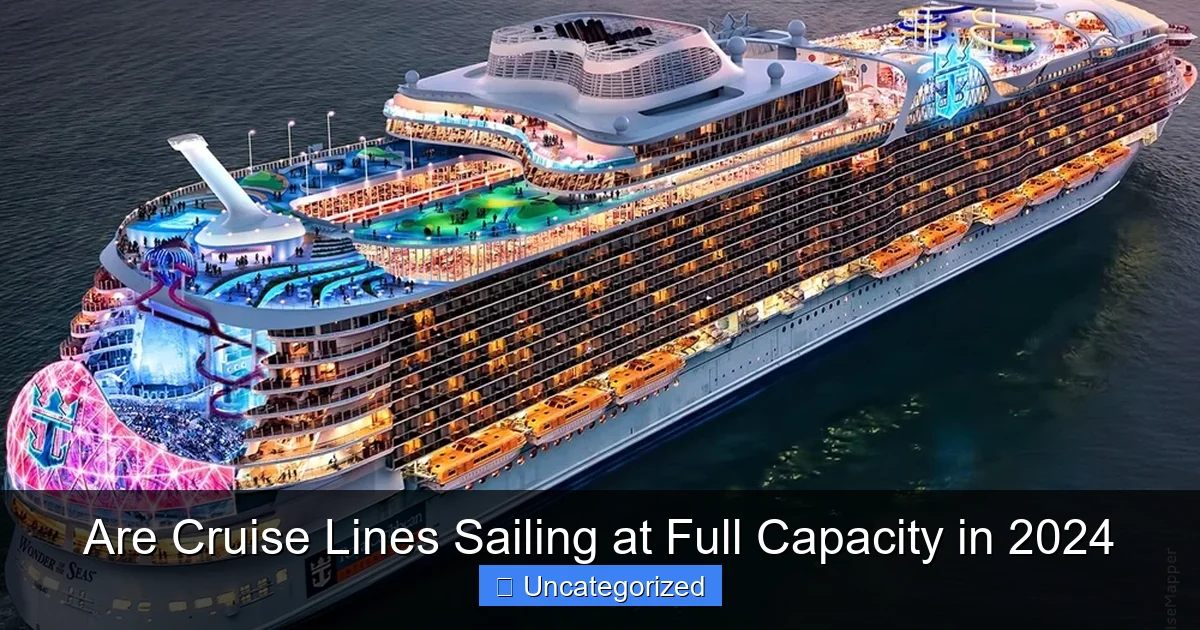
Visual guide about are cruise lines sailing at full capacity
Image source: cruisemapper.com
For example, Carnival Cruise Line reported an average occupancy of 98% across its fleet in Q1 2024, with some popular itineraries like the 7-night Caribbean sailings selling out months in advance. Royal Caribbean, meanwhile, is operating at 95–97% capacity, with its newest ships—like Icon of the Seas, the largest cruise ship in the world—achieving near-100% occupancy during their inaugural season. In contrast, luxury lines such as Regent Seven Seas and Oceania Cruises are operating at 85–90% capacity, prioritizing spaciousness and personalized service over maximum headcount.
Regional Variations in Occupancy
Capacity trends also differ by region. The Caribbean remains the most popular destination, with 75% of North American cruise passengers choosing itineraries to islands like the Bahamas, Jamaica, and the Eastern Caribbean. These routes are consistently at or above 95% capacity, especially during peak seasons (winter and spring break). Alaska, another top destination, is experiencing a surge in demand due to its scenic beauty and unique wildlife experiences, with cruise lines like Holland America Line and Princess Cruises reporting 98% average occupancy on their summer 2024 voyages.
In contrast, Mediterranean cruises are seeing slightly lower occupancy (85–90%) due to rising fuel costs and geopolitical tensions in Eastern Europe. However, Western Mediterranean routes (e.g., Barcelona to Rome) remain strong, with lines like MSC Cruises and Costa Cruises operating at 92% capacity. Meanwhile, the Asia-Pacific region is still recovering, with occupancy rates hovering around 70–75%, though Japan and Southeast Asia are showing promising growth.
Factors Influencing Capacity Decisions
Cruise lines aren’t just filling ships for the sake of it. Several strategic factors influence their capacity decisions in 2024:
- Staffing shortages: Many lines are still dealing with crew shortages, particularly in skilled positions like chefs, engineers, and entertainers. This limits the number of ships that can operate at full speed.
- New ship launches: With over 20 new ships scheduled for delivery in 2024–2025, operators are focusing on optimizing occupancy on existing vessels before ramping up new ones.
- Environmental regulations: Stricter emissions standards and port fees are prompting some lines to reduce speed (slow steaming) or skip ports, indirectly affecting capacity.
- Guest experience: After pandemic-era crowding concerns, many travelers prefer less crowded ships. Lines are responding by offering “low-density” sailings with fewer passengers.
Why Some Cruise Ships Are Still Not at Full Capacity
Staffing and Crew Challenges
One of the most significant barriers to full capacity is the ongoing crew shortage crisis. The pandemic led to mass layoffs and early retirements in the cruise industry, and while recruitment has improved, many lines are still struggling to fill roles. According to the International Maritime Organization (IMO), the global cruise sector is short by approximately 12,000 skilled crew members in 2024. This shortage affects everything from dining room service to entertainment and housekeeping.
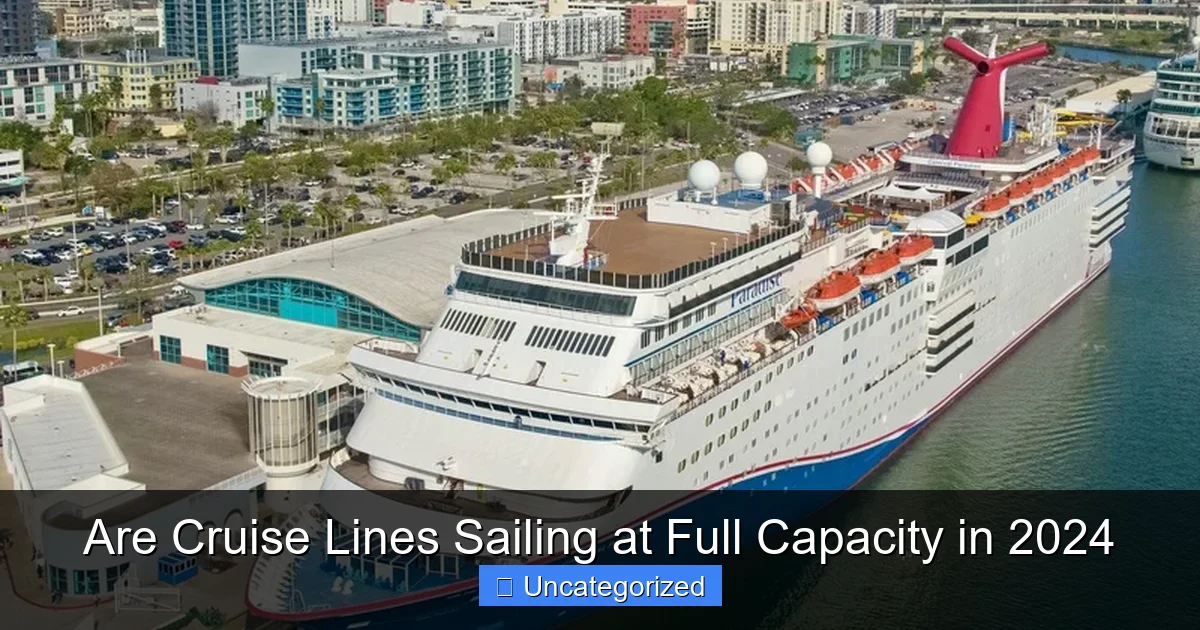
Visual guide about are cruise lines sailing at full capacity
Image source: cruiseindustrynews.com
For example, Norwegian Cruise Line had to cancel several sailings on the Norwegian Encore in early 2024 due to insufficient staff. Similarly, Celebrity Cruises temporarily reduced capacity on the Celebrity Apex to maintain service standards. To address this, cruise lines are investing in training programs, offering higher wages, and partnering with maritime academies—but these solutions take time.
Health and Safety Protocols
Although most pandemic-era restrictions have been lifted, health and safety remain top priorities. Cruise lines are maintaining enhanced cleaning protocols, medical facilities, and contingency plans for onboard illnesses. These measures require additional staff and space, which can limit capacity. For instance:
- Quarantine cabins: Ships must reserve 5–10% of cabins for potential quarantine use, reducing available inventory.
- Ventilation upgrades: Newer ships have advanced air filtration systems, but retrofitting older vessels is costly and time-consuming.
- Medical staff: Each ship now carries more medical personnel, including infectious disease specialists, which increases crew requirements.
These protocols mean that even if a ship could technically sail at 100% occupancy, operators may cap bookings at 90–95% to ensure safety margins.
Economic and Operational Constraints
Beyond staffing and health, economic factors also play a role. Rising fuel prices, inflation, and port fees have increased operating costs. To maintain profitability, cruise lines are focusing on yield management—selling fewer cabins at higher prices rather than filling ships at lower rates. This strategy is especially common among premium and luxury brands.
Additionally, some ships are undergoing scheduled dry-dock maintenance or retrofitting to meet new environmental standards (e.g., LNG fuel systems or scrubbers). For example, the MSC Magnifica was out of service for six weeks in early 2024 for engine upgrades, temporarily reducing fleet capacity. Other ships are being repositioned to high-demand markets, which can create short-term gaps in availability.
How Cruise Lines Are Maximizing Revenue (Without Full Capacity)
Dynamic Pricing and Premium Add-Ons
With capacity not always at 100%, cruise lines are getting creative with revenue generation. Dynamic pricing models adjust fares in real time based on demand, seasonality, and itinerary popularity. For example, a balcony cabin on a 7-night Alaska cruise might cost $1,200 in April but jump to $2,400 in July. This allows lines to maximize revenue even with slightly lower occupancy.
Another key strategy is upselling premium add-ons, such as:
- Specialty dining packages
- Spa and wellness retreats
- Exclusive shore excursions
- VIP experiences (e.g., private beach access, behind-the-scenes tours)
Royal Caribbean, for instance, generated over $1.2 billion in onboard revenue in 2023, with 40% coming from add-ons rather than base fares. This trend is expected to grow in 2024 as lines focus on high-margin offerings.
New Revenue Streams: From Themed Cruises to Digital Services
To diversify income, cruise lines are launching innovative programs:
- Themed cruises: From music festivals (e.g., Sixthman) to wellness retreats (e.g., Virgin Voyages’ “Wellness Week”), these niche offerings command premium prices and attract dedicated audiences.
- Virtual experiences: Some lines are selling “digital cruise” packages, including live-streamed performances, cooking classes, and virtual shore excursions—targeting homebound or budget-conscious travelers.
- Onboard retail: High-end brands like Bulgari and Rolex are opening boutiques on ships, with sales increasing by 35% in 2023.
These initiatives allow cruise lines to boost revenue without relying solely on cabin sales, making full capacity less critical to profitability.
Partnerships and Alliances
Collaborations with airlines, hotels, and tour operators are also helping lines maximize revenue. For example:
- Royal Caribbean + Air Canada: A joint loyalty program offering cruise credits for flight miles.
- Carnival + Airbnb: A partnership to offer cruise + stay packages in select ports.
- MSC Cruises + local governments: Exclusive shore excursions in destinations like Greece and Croatia, with a portion of profits shared with the region.
These alliances expand the customer base and create new revenue channels, reducing the pressure to sail at 100% capacity.
What Travelers Should Know Before Booking in 2024
How to Find Ships at Full Capacity (or Avoid Them)
If you’re looking for a lively, high-energy cruise, booking a ship at or near full capacity can be ideal. Here’s how to identify them:
- Check booking platforms: Sites like Cruise Critic and Expedia show real-time availability. If a sailing is labeled “sold out” or “limited availability,” it’s likely at 95%+ capacity.
- Look for new ships: Inaugural voyages of vessels like Icon of the Seas or Sun Princess often sell out quickly.
- Choose peak seasons: Winter Caribbean cruises and summer Alaska trips are the most popular.
Conversely, if you prefer a quieter, more intimate experience, opt for:
- Repositioning cruises (e.g., transatlantic voyages)
- Off-season sailings (e.g., Mediterranean in November)
- Smaller ships (under 2,000 passengers) from lines like Silversea or Seabourn
Tips for Booking at Optimal Capacity
To get the best value and experience, consider these strategies:
- Book early: High-demand sailings fill up fast. For 2024, many lines opened reservations 18–24 months in advance.
- Use a travel agent: Agents often have access to group rates, waitlists, and last-minute deals.
- Consider shoulder seasons: Traveling in May or September can mean 10–15% lower prices and 20% fewer passengers.
- Look for “low-density” sailings: Some lines advertise these explicitly (e.g., “Spacious Sailings” by Celebrity).
Red Flags to Watch For
Not all “full capacity” claims are created equal. Be wary of:
- Overcrowded ports: Some destinations (e.g., Santorini, Barcelona) limit daily cruise arrivals. Check port schedules before booking.
- Hidden fees: Ships at full capacity may charge more for onboard services (e.g., gratuities, Wi-Fi).
- Cancellation risks: If a ship is overbooked, you might be bumped to a later date or different vessel.
Future Outlook: Will Full Capacity Become the Norm?
Industry Projections for 2025 and Beyond
The cruise industry is on track for full recovery by 2025, but “full capacity” may look different than it did pre-pandemic. CLIA forecasts that global cruise capacity will exceed 2019 levels by 15% in 2025, driven by new ships and expanded destinations. However, operators are unlikely to prioritize 100% occupancy at the expense of guest experience.
Key trends to watch:
- Sustainability: New regulations (e.g., IMO 2025) will push lines to reduce emissions, possibly through slower speeds or fewer sailings.
- Technology: AI-driven demand forecasting will allow more precise capacity planning.
- Demographic shifts: Younger travelers (Millennials, Gen Z) prefer shorter, more flexible itineraries, which may reduce average occupancy per sailing.
Emerging Markets and New Opportunities
Growth in Asia-Pacific, the Middle East, and South America could reshape capacity dynamics. For example:
- China: The resumption of outbound tourism could boost Asia-based cruises by 30% in 2025.
- India: New cruise terminals in Mumbai and Kochi may attract regional operators.
- South America: Amazon and Patagonia itineraries are gaining popularity, with lines like Holland America adding more sailings.
These markets may operate at lower capacity initially but could become high-demand regions in the next decade.
Balancing Profit and Experience
Ultimately, the future of cruise capacity will be a balance between profitability and guest satisfaction. As one industry analyst noted, “The days of packing 6,000 people into a ship and calling it a success are over. Travelers want space, choice, and value—and that’s what we’re delivering.” In 2024 and beyond, cruise lines will continue to sail close to full capacity, but the focus will be on smart capacity—not just maximum numbers.
Data Table: 2024 Cruise Capacity by Major Line
| Cruise Line | Average Occupancy (2024) | Peak Season Capacity | Notable Ships at 95%+ Capacity | Capacity Strategy |
|---|---|---|---|---|
| Carnival Cruise Line | 98% | 99% (Caribbean, Dec–Apr) | Carnival Horizon, Carnival Breeze | High-density, budget-focused |
| Royal Caribbean | 96% | 99% (Alaska, Jun–Aug) | Icon of the Seas, Symphony of the Seas | Premium add-ons, dynamic pricing |
| Norwegian Cruise Line | 94% | 97% (Mediterranean, May–Oct) | Norwegian Encore, Norwegian Prima | Flexible itineraries, staffing caps |
| Princess Cruises | 95% | 98% (Alaska, Jun–Aug) | Discovery Princess, Enchanted Princess | Mid-density, family-friendly |
| MSC Cruises | 92% | 96% (Caribbean, winter) | MSC Seashore, MSC World Europa | Regional focus, port partnerships |
| Regent Seven Seas | 88% | 92% (Mediterranean, summer) | Seven Seas Grandeur, Seven Seas Voyager | Low-density, luxury experience |
In conclusion, cruise lines in 2024 are sailing remarkably close to full capacity—but the definition of “full” has evolved. With a focus on guest experience, sustainability, and smart revenue management, the industry is not just recovering; it’s reimagining what modern cruising looks like. Whether you’re booking a packed megaship or a quiet luxury liner, one thing is clear: the seas are open, and the future of cruising is brighter than ever.
Frequently Asked Questions
Are cruise lines sailing at full capacity in 2024?
Most major cruise lines are operating at or near full capacity in 2024, thanks to high post-pandemic demand and relaxed health protocols. However, some ships may still run slightly below maximum occupancy due to crew shortages or maintenance issues.
Why aren’t some cruise ships at full capacity this year?
Even as the industry rebounds, a few vessels sail under full capacity due to ongoing crew recruitment challenges, refurbishments, or itinerary-specific demand fluctuations. These gaps are becoming increasingly rare as operations stabilize.
Which cruise lines are closest to full capacity in 2024?
Carnival, Royal Caribbean, and Norwegian Cruise Line report 90–100% occupancy rates, with peak-season sailings often selling out. Smaller luxury lines maintain high but more consistent passenger loads due to limited ship sizes.
Do cruise lines disclose their exact passenger capacity?
While cruise lines rarely share real-time occupancy data, they often report fleet-wide capacity percentages in earnings calls. Publicly, they emphasize “sold-out” sailings, which typically indicate 95%+ occupancy.
Are there still COVID-related limits affecting cruise capacity?
As of 2024, virtually all COVID-19 passenger restrictions have been lifted. Health protocols no longer cap passenger numbers, though some lines retain enhanced sanitation measures as a precaution.
How can I find a cruise sailing at full capacity?
Check booking dashboards for “last cabins available” alerts or contact cruise lines directly—they often note high-occupancy sailings. Ships with full capacity often have fewer last-minute discounts and shorter waitlists for onboard activities.