Featured image for are cruise lines making any efforts to protect the environment
Image source: blog.onlinevacationcenter.com
Cruise lines are increasingly adopting eco-friendly technologies, such as LNG-powered ships, advanced wastewater treatment, and shore-to-ship power connections to cut emissions. Sustainability initiatives like zero-waste-to-landfill programs and partnerships with environmental groups show a growing commitment—though challenges like heavy fuel use remain. The industry’s progress is real, but its long-term impact depends on stricter regulations and transparent accountability.
Key Takeaways
- Cruise lines invest in LNG-powered ships to cut emissions and reduce air pollution.
- Advanced wastewater treatment systems prevent ocean contamination from onboard sewage.
- Shore power connections allow docked ships to shut off engines, lowering emissions.
- Single-use plastic bans are now standard to minimize marine waste.
- AI-driven route optimization reduces fuel consumption and carbon footprint.
- Certifications like Green Marine validate eco-friendly practices across fleets.
📑 Table of Contents
- The Cruise Industry’s Environmental Crossroads
- 1. Cleaner Fuels and Energy Efficiency: The Shift to Low-Emissions Operations
- 2. Waste Management: Tackling the “Floating City” Challenge
- 3. Protecting Marine Ecosystems: From Coral Reefs to Whales
- 4. Renewable Energy and Future Technologies
- 5. Transparency and Certifications: How to Spot Greenwashing
- 6. The Road Ahead: Challenges and Opportunities
- Conclusion: A Journey Toward Sustainability
The Cruise Industry’s Environmental Crossroads
The cruise industry, a global behemoth that ferries over 30 million passengers annually, has long been under scrutiny for its environmental footprint. With massive vessels consuming thousands of tons of fuel, generating waste, and emitting pollutants, the question on every eco-conscious traveler’s mind is: Are cruise lines making any efforts to protect the environment? The answer is nuanced—while the industry has historically been criticized for lagging behind in sustainability, recent years have seen a surge in initiatives aimed at reducing environmental harm. From adopting cleaner fuels to pioneering waste management systems, cruise lines are navigating a complex transition toward greener operations.
This shift isn’t just about optics. Stricter international regulations, consumer demand for responsible tourism, and the looming threat of climate change have forced the industry to rethink its practices. Yet, progress varies widely among companies, and challenges remain. In this deep dive, we’ll explore the tangible efforts cruise lines are making, the technologies they’re investing in, and the gaps that still need addressing. Whether you’re a frequent cruiser or a curious traveler, understanding these efforts is key to making informed choices in an era where sustainability matters more than ever.
1. Cleaner Fuels and Energy Efficiency: The Shift to Low-Emissions Operations
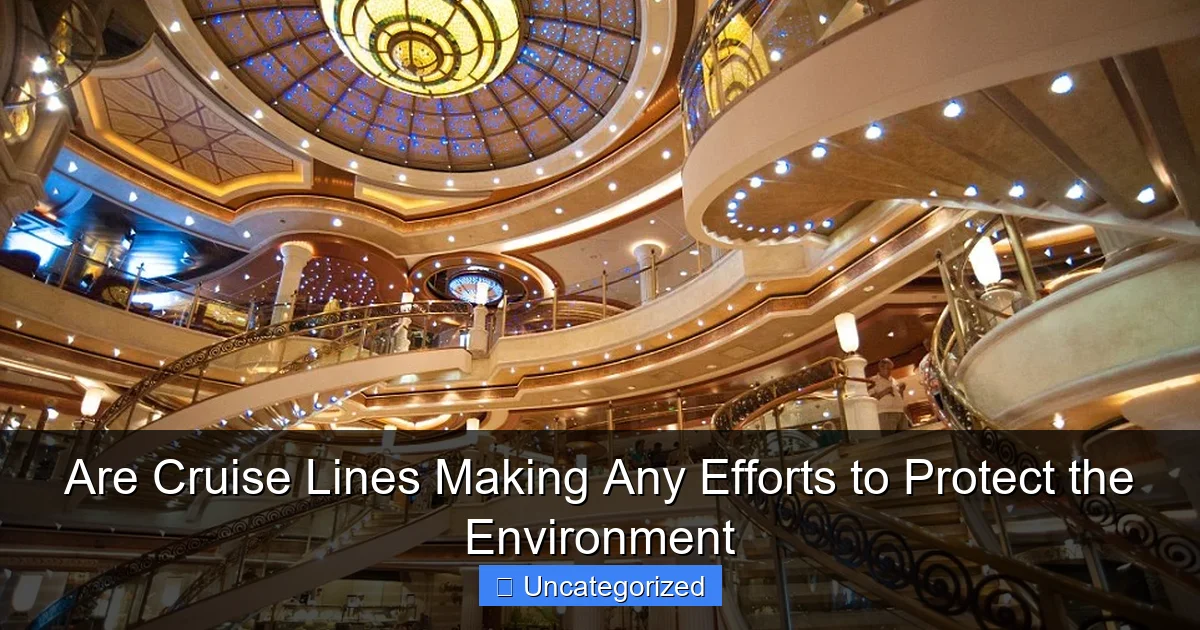
One of the most significant environmental challenges for cruise ships is their reliance on heavy fuel oil (HFO), a cheap but highly polluting energy source. However, the industry is gradually transitioning to cleaner alternatives, driven by regulations like the International Maritime Organization’s (IMO) 2020 sulfur cap, which reduced allowable sulfur emissions from 3.5% to 0.5%.
Visual guide about are cruise lines making any efforts to protect the environment
Image source: i.dailymail.co.uk
Liquefied Natural Gas (LNG): The Game-Changer
LNG has emerged as a frontrunner in the industry’s quest for cleaner fuels. Burning LNG reduces sulfur oxide (SOx) emissions by 90–95%, nitrogen oxides (NOx) by 80%, and carbon dioxide (CO2) by 20–25% compared to HFO. Major players like Carnival Corporation and Royal Caribbean Group have invested billions in LNG-powered ships:
- Carnival’s AIDAnova (2018) became the first LNG-powered cruise ship in the world, with 18 additional LNG vessels planned by 2025.
- Royal Caribbean’s Icon Class ships, launching in 2024, will be powered entirely by LNG and feature advanced wastewater treatment systems.
- NCL’s Leonardo Class ships (2023) use LNG and hybrid exhaust cleaning systems (scrubbers) to minimize emissions.
<
Tip for travelers: Research a cruise line’s LNG fleet before booking. Companies with LNG-powered ships often highlight this on their websites or sustainability reports.
Scrubbers and Hybrid Systems: A Controversial Stopgap
While LNG adoption grows, many ships still rely on exhaust gas cleaning systems (scrubbers) to meet sulfur regulations. Scrubbers filter SOx from emissions but produce acidic wastewater, which critics argue simply transfers pollution to the ocean. The industry defends scrubbers as a transitional technology, with some lines investing in “closed-loop” scrubbers that recycle wastewater. For example:
- MSC Cruises uses hybrid scrubbers on 75% of its fleet, claiming to reduce SOx emissions by 97%.
- Disney Cruise Line has installed scrubbers on all ships to meet strict port regulations in Alaska and California.
Energy Efficiency Innovations
Beyond fuel, cruise lines are optimizing energy use through:
- Hull coatings (e.g., Royal Caribbean’s “Aquadynamic” paint) to reduce drag and fuel consumption.
- Advanced HVAC systems that recycle heat and use AI to adjust cooling based on occupancy.
- LED lighting and solar panels (e.g., Norwegian Cruise Line’s solar-powered gangways).
2. Waste Management: Tackling the “Floating City” Challenge
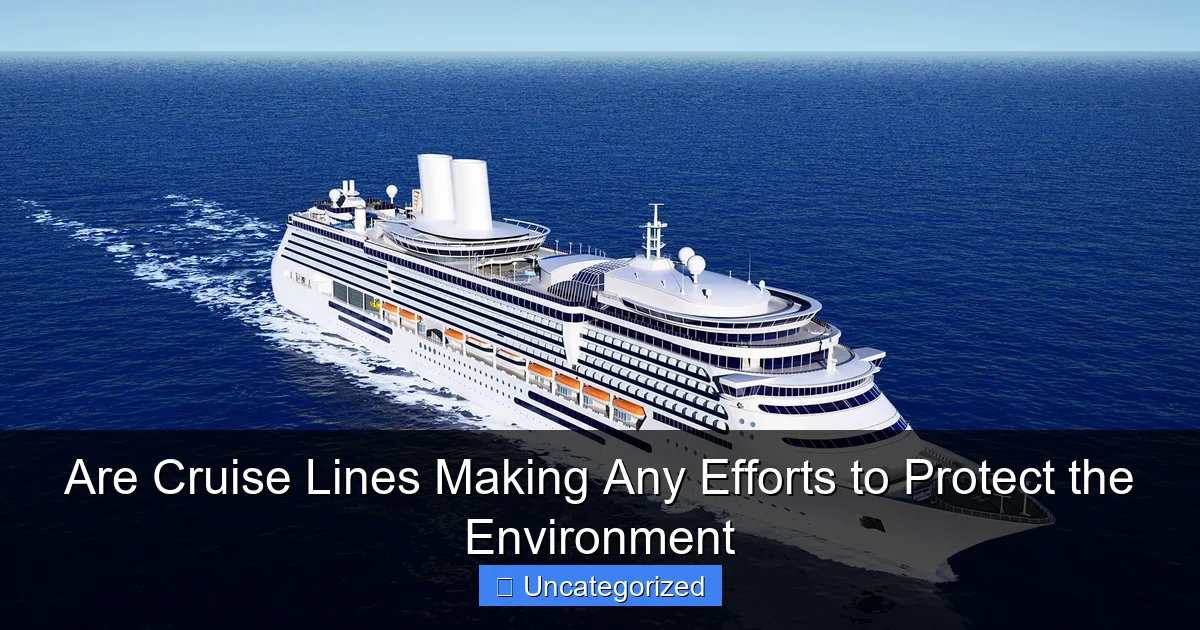
Cruise ships generate staggering amounts of waste: a single vessel can produce up to 210,000 gallons of sewage and 1 million gallons of greywater daily. Historically, much of this waste was dumped at sea, but modern practices prioritize recycling, treatment, and zero-discharge policies.
Visual guide about are cruise lines making any efforts to protect the environment
Image source: s3.r29static.com
Zero-Discharge Policies and Advanced Treatment
Leading cruise lines now treat 100% of sewage and greywater before discharge:
- Royal Caribbean’s Advanced Wastewater Purification (AWP) systems exceed EPA standards, producing effluent cleaner than most municipal treatment plants.
- Princess Cruises uses AWP on 100% of its fleet, with some ships (e.g., Sky Princess) achieving “zero discharge” in sensitive areas like Alaska.
- Hurtigruten (a leader in eco-tourism) treats all wastewater to “drinking water quality” before release.
Plastic Reduction and Recycling
The industry generates ~5.5 lbs of waste per passenger daily, but efforts to cut single-use plastics are accelerating:
- Carnival Corporation eliminated 500+ million single-use items (straws, cups, shampoo bottles) by 2022.
- MSC Cruises replaced plastic straws with paper and launched a “Plastic-Free Dining” initiative.
- Norwegian Cruise Line partners with Clean the World to recycle soap bars for global hygiene programs.
Tip for travelers: Pack reusable water bottles, utensils, and shopping bags. Many lines offer free water refill stations onboard.
Food Waste Reduction
With buffets and 24/7 dining, food waste is a major issue. Innovations include:
- AI-powered inventory systems (e.g., Celebrity Cruises) to predict demand and reduce spoilage.
- Composting programs on ships like Holland America’s Koningsdam.
- Donation partnerships (e.g., Disney Cruise Line donates surplus food to Orlando charities).
3. Protecting Marine Ecosystems: From Coral Reefs to Whales
Cruise ships operate in ecologically sensitive areas, risking damage to coral reefs, marine mammals, and coastal habitats. Here’s how the industry is responding:
Slowing Down for Marine Life
Ship strikes are a leading cause of whale deaths. To mitigate this, lines are adopting:
- Whale-safe speed zones (e.g., Norwegian Cruise Line reduces speed to 10 knots in whale habitats).
- AI-powered whale detection systems (e.g., Princess Cruises uses real-time tracking to reroute ships).
Coral Reef Protection
Anchoring can destroy coral reefs. Solutions include:
- Mooring buoys in places like the Great Barrier Reef (used by Royal Caribbean).
- Underwater drones to monitor reef health (e.g., Carnival’s partnership with Reef Life Survey).
- No-anchor policies in protected areas (adopted by Lindblad Expeditions).
Ballast Water Management
Ballast water (used to stabilize ships) can introduce invasive species. The IMO’s 2017 Ballast Water Management Convention requires ships to treat ballast water. Cruise lines comply via:
- UV filtration systems (e.g., MSC Cruises).
- Electrochlorination (e.g., Celebrity Cruises).
4. Renewable Energy and Future Technologies
While fossil fuels dominate, the industry is testing renewable energy and next-gen solutions:
Wind and Solar Power
- Wind-assisted propulsion: Hurtigruten’s hybrid ships use retractable sails to harness wind.
- Solar panels: Norwegian Cruise Line’s Encore has 2,000+ solar panels powering onboard amenities.
Hydrogen and Fuel Cells
Hydrogen fuel cells produce zero emissions, but scaling them for large ships is challenging. Early adopters include:
- MSC Cruises (partnering with Fincantieri to develop hydrogen-powered ships by 2030).
- Norwegian Cruise Line (testing hydrogen fuel cells on the Norwegian Prima).
Carbon Capture and Storage
While rare, Carnival Corporation is piloting onboard CO2 capture systems to store emissions in liquid form for port disposal.
5. Transparency and Certifications: How to Spot Greenwashing
With sustainability claims on the rise, distinguishing genuine efforts from “greenwashing” is crucial. Here’s what to look for:
Third-Party Certifications
- Green Marine: A rigorous certification program with 200+ criteria (e.g., Hurtigruten and Lindblad Expeditions are certified).
- Blue Flag: Awards ports and ships for sustainable practices (e.g., Royal Caribbean’s private island, CocoCay).
- ISO 14001: Environmental management certification held by Carnival Corporation and MSC Cruises.
Public Reporting
Reputable lines publish annual sustainability reports with measurable goals. For example:
- Royal Caribbean’s 2025 target: 50% reduction in carbon intensity vs. 2019.
- NCL’s 2030 goal: 100% zero-emission ships.
Red Flags of Greenwashing
- Vague claims like “eco-friendly” without data.
- Ignoring key issues (e.g., promoting plastic reduction but using scrubbers).
- Lack of third-party verification.
Tip for travelers: Check a line’s sustainability report (usually under “Corporate Responsibility” on their website) and cross-reference certifications.
6. The Road Ahead: Challenges and Opportunities
While progress is evident, the cruise industry faces systemic challenges:
- Infrastructure gaps: Few ports have LNG bunkering facilities, limiting fuel availability.
- Cost barriers: Clean technologies require massive investment (e.g., an LNG ship costs ~$300M more than a conventional one).
- Regulatory patchwork: Rules vary by region, complicating compliance.
Yet, opportunities abound:
- Consumer pressure: 72% of travelers prefer sustainable options (Booking.com, 2023).
- Innovation partnerships: Lines collaborating with startups (e.g., Carnival’s work with Wärtsilä on battery systems).
- Port investments: Cities like Barcelona and Seattle are building shoreside power to reduce ship emissions.
Data Snapshot: Cruise Industry Environmental Metrics (2023)
| Initiative | % of Fleet Adopting | Emission Reduction | Example Lines |
|---|---|---|---|
| LNG-Powered Ships | 15% | 20–25% CO2, 90% SOx | Carnival, Royal Caribbean |
| Advanced Wastewater Treatment | 75% | 95% cleaner discharge | Princess, Norwegian |
| Single-Use Plastic Bans | 90% | 500M+ items removed | Carnival, MSC |
| Shoreside Power | 30% | 100% emission-free docking | Disney, Celebrity |
| Green Marine Certification | 20% | Comprehensive sustainability | Hurtigruten, Lindblad |
Conclusion: A Journey Toward Sustainability
The question “Are cruise lines making any efforts to protect the environment?” has evolved from skepticism to cautious optimism. Yes, the industry is making efforts—but they’re uneven, evolving, and often constrained by economic and technological realities. From LNG-powered giants to AI-driven waste reduction, the sector is investing in a greener future. However, challenges like port infrastructure, cost, and transparency remain.
For travelers, the power lies in informed choices. Prioritize lines with third-party certifications, LNG fleets, and public sustainability goals. Support innovations like shoreside power by choosing ports that offer it. And hold the industry accountable by demanding clearer, verifiable data. The cruise industry’s environmental journey is far from over, but with collective pressure and innovation, it’s steering toward a cleaner horizon. As the tide shifts, every passenger has a role to play in ensuring the waves we ride leave no trace.
Frequently Asked Questions
Are cruise lines making any efforts to protect the environment?
Yes, many major cruise lines are actively adopting eco-friendly technologies and practices to reduce their environmental impact. Initiatives include advanced wastewater treatment systems, LNG-powered ships, and shore power connections to cut emissions while docked.
What are cruise lines doing to reduce their carbon footprint?
Cruise lines are investing in cleaner fuels like liquefied natural gas (LNG), optimizing ship designs for energy efficiency, and using AI for route planning to minimize fuel consumption. Some companies have also pledged to achieve net-zero emissions by 2050.
How do cruise ships handle waste and pollution?
Modern cruise ships use advanced systems to treat wastewater, recycle materials onboard, and incinerate non-recyclable waste under strict regulations. Many lines have also banned single-use plastics to further reduce pollution.
Are cruise lines protecting marine ecosystems?
Several cruise lines partner with environmental organizations to protect coral reefs and marine wildlife. They also enforce strict ballast water management and avoid sensitive areas to prevent harm to fragile ecosystems.
Do cruise lines use renewable energy sources?
While most ships still rely on fossil fuels, some are incorporating solar panels, battery storage, and fuel-cell technology to supplement energy needs. Royal Caribbean’s *Icon of the Seas* is a recent example with hybrid power systems.
How transparent are cruise lines about their environmental efforts?
Many cruise companies publish annual sustainability reports detailing their progress on emissions, waste, and conservation goals. However, transparency varies, so checking third-party audits or certifications (like ISO 14001) can provide additional clarity.