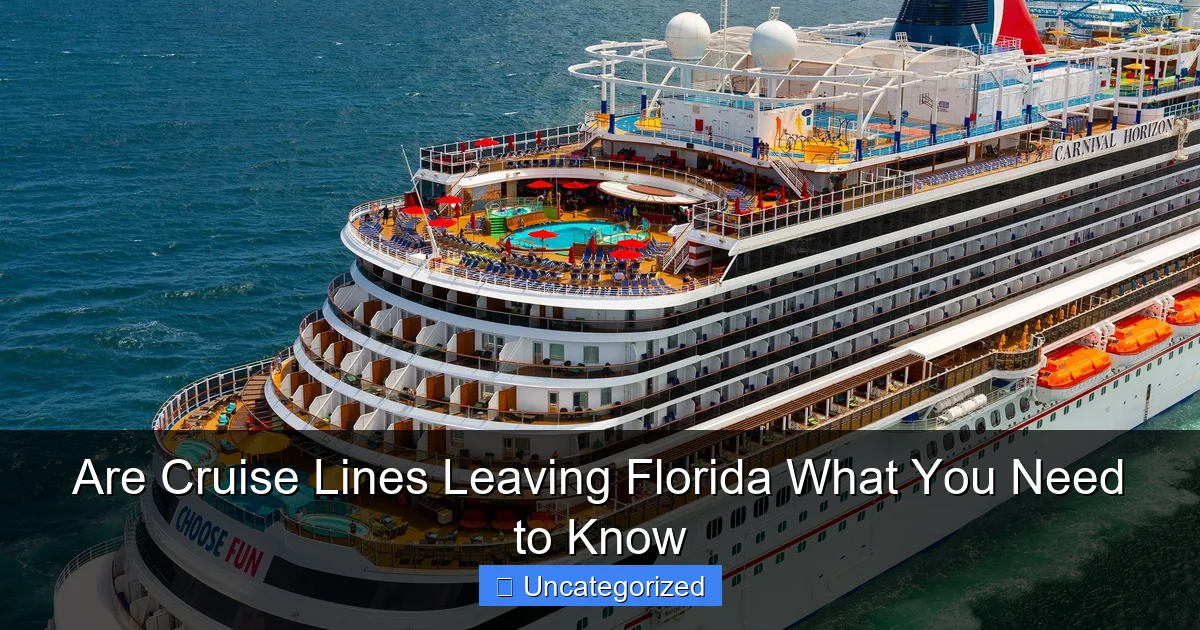
Featured image for are cruise lines leaving florida
Image source: a.travel-assets.com
Cruise lines are not abandoning Florida, but major players like Carnival and Royal Caribbean are strategically shifting some homeports to nearby states due to rising port fees and infrastructure constraints. Florida remains the dominant cruise hub, with Miami, Port Canaveral, and Fort Lauderdale still hosting the majority of U.S. sailings—this shift reflects expansion, not retreat.
Key Takeaways
- Cruise lines are not leaving Florida: Major ports remain operational with expanded offerings.
- New regulations impact itineraries: Stay informed on policy changes affecting cruise schedules.
- Diversified homeports reduce risk: Florida’s multiple ports ensure resilience against disruptions.
- Book with confidence: Reputable lines continue sailing from Miami, Port Canaveral, and Fort Lauderdale.
- Monitor port updates: Track seasonal changes or construction delays impacting departures.
- Demand remains high: Florida’s cruise market grows despite global industry fluctuations.
- Consider flexible bookings: Opt for adjustable plans to accommodate potential itinerary shifts.
📑 Table of Contents
- Are Cruise Lines Leaving Florida? What You Need to Know
- Why the Cruise Industry Is Reevaluating Florida Ports
- Which Cruise Lines Are Shifting Away from Florida?
- New Homeports: Where Are Cruise Lines Going Instead?
- What This Means for Travelers: Tips and Considerations
- Data Table: Cruise Departures by Homeport (2023 vs. 2024)
- The Future of Florida in the Cruise Industry: A Balanced Outlook
Are Cruise Lines Leaving Florida? What You Need to Know
For decades, Florida has been the undisputed epicenter of the cruise industry in the United States. With its warm climate, extensive coastline, and world-class ports like Miami, Fort Lauderdale (Port Everglades), and Port Canaveral, the Sunshine State has served as the launchpad for millions of cruise vacations annually. From family-friendly Disney cruises to luxury voyages with Celebrity and Regent, Florida’s ports have been the gateway to the Caribbean, Mexico, and beyond. But in recent years, whispers have grown into headlines: Are cruise lines leaving Florida? This question has sparked concern among travelers, tourism professionals, and local economies alike. The short answer? It’s complicated—and the reality is more nuanced than a simple yes or no.
The cruise industry is in a period of transformation. Shifting consumer preferences, environmental regulations, port congestion, and geopolitical factors are reshaping where ships dock and how cruise lines plan their itineraries. While Florida remains a dominant player, some cruise lines are exploring alternatives—both within the U.S. and abroad. This doesn’t mean Florida is being abandoned, but it does signal a strategic pivot in the industry. In this comprehensive guide, we’ll explore the reasons behind the shifting landscape, analyze which cruise lines are adjusting their operations, and provide travelers with practical insights to navigate this evolving scenario. Whether you’re a first-time cruiser or a seasoned veteran, understanding the current state of Florida’s cruise ports is essential for planning your next adventure.
Why the Cruise Industry Is Reevaluating Florida Ports
The idea that cruise lines might be leaving Florida isn’t rooted in a single cause but rather a confluence of economic, logistical, and environmental factors. While Florida’s ports still offer unmatched convenience and infrastructure, several challenges are prompting cruise companies to reconsider their long-term reliance on the state.
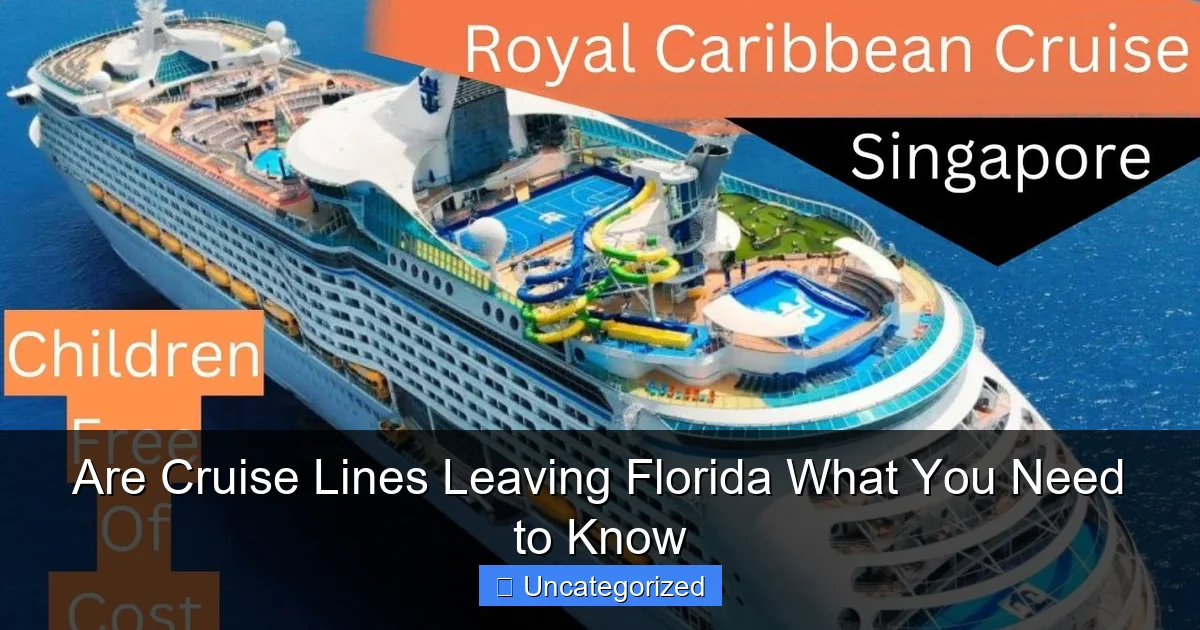
Visual guide about are cruise lines leaving florida
Image source: i.ytimg.com
Port Congestion and Infrastructure Strain
Florida’s major ports—Miami, Port Everglades, and Port Canaveral—are among the busiest in the world. In 2023, Port Everglades alone handled over 3.8 million cruise passengers, while Port Canaveral surpassed 4 million. This high volume, while a sign of success, has led to congestion, longer embarkation times, and logistical bottlenecks. During peak seasons, ships often wait in line for hours to dock, increasing fuel costs and crew fatigue. For cruise lines operating on tight schedules, this inefficiency is becoming a growing concern.
For example, Royal Caribbean’s Harmony of the Seas, one of the largest cruise ships in the world, requires significant docking space and time. When multiple mega-ships are scheduled on the same day, the strain on port infrastructure becomes evident. Some lines are now opting to use secondary ports or stagger departures to avoid these bottlenecks.
Rising Operational Costs and Fees
Operating in Florida is not cheap. Cruise lines pay substantial port fees, which have increased in recent years to fund infrastructure upgrades. For instance, Port Canaveral raised its docking fees by 12% between 2021 and 2023. Additionally, labor costs, fuel, and maintenance expenses are rising across the board. These cost pressures are pushing cruise lines to seek more affordable alternatives.
Smaller or budget-focused cruise operators, such as Norwegian Cruise Line’s Norwegian Encore, have begun testing itineraries from Galveston, Texas, and New Orleans, where port fees are 15–20% lower. While these ports lack Florida’s volume, they offer a cost-effective alternative for certain routes.
Environmental Regulations and Sustainability Goals
Environmental concerns are another major driver. Florida’s coastal waters are ecologically sensitive, and cruise ships—especially older vessels—can contribute to pollution through emissions, ballast water discharge, and waste. In response, the state and federal agencies have tightened regulations.
The Environmental Protection Agency (EPA) and the Florida Department of Environmental Protection now require stricter emissions controls for docked ships. Some cruise lines, like Carnival Corporation, have invested in shore power (“cold ironing”) technology, allowing ships to turn off their engines while docked. However, only a few Florida ports currently support shore power fully. As a result, lines like Virgin Voyages have begun favoring ports with better environmental infrastructure, such as Seattle and Vancouver.
Which Cruise Lines Are Shifting Away from Florida?
While no major cruise line has completely abandoned Florida, several are diversifying their homeports or reducing their presence. The shift isn’t uniform—some lines are pulling back, while others are maintaining or even expanding their Florida operations. Here’s a breakdown of the key players and their strategies.
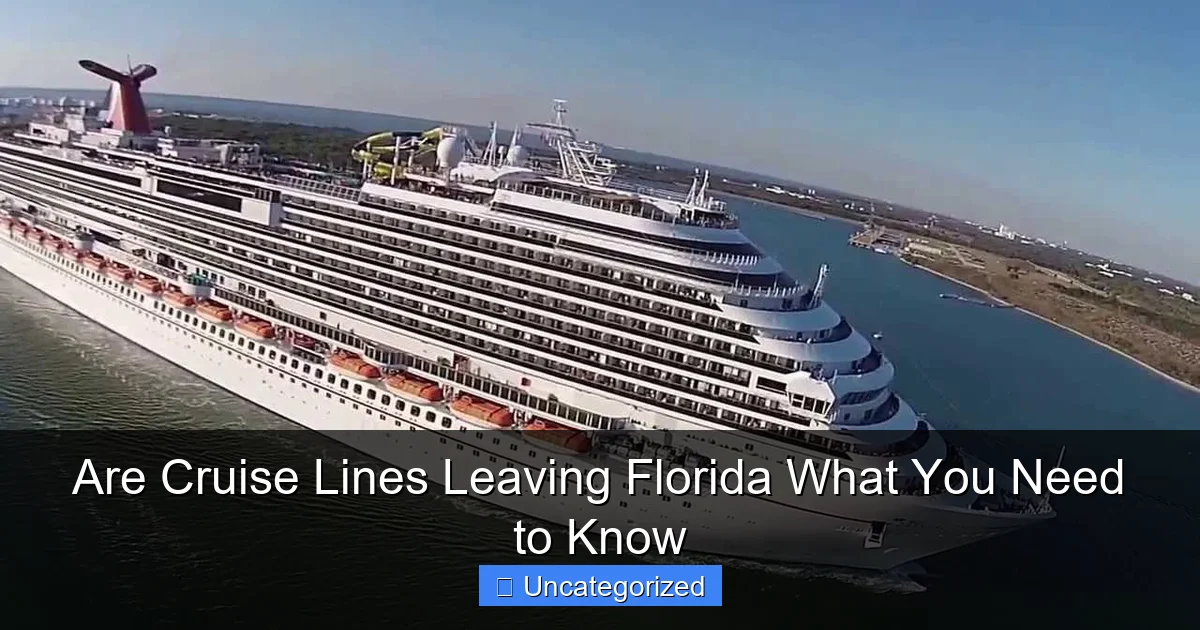
Visual guide about are cruise lines leaving florida
Image source: i.ytimg.com
Carnival Corporation: Maintaining a Strong Florida Presence
Carnival Cruise Line, the largest brand in the Carnival Corporation portfolio, still relies heavily on Florida. In 2023, Carnival operated 27 ships from Miami and Port Everglades, accounting for over 40% of its North American departures. However, the company is also investing in alternative homeports.
For example, Carnival has launched new itineraries from Baltimore and Norfolk, Virginia, targeting the Northeast market. These routes focus on shorter Caribbean cruises (3–5 days) and avoid the longer transit times from Florida. Additionally, Carnival’s new LNG-powered ships, like Carnival Celebration, are being deployed from Port Canaveral, where the port has invested in LNG bunkering facilities—a move that supports the line’s sustainability goals.
Royal Caribbean Group: Balancing Florida and Global Expansion
Royal Caribbean International and its sister brands (Celebrity Cruises, Silversea) have a mixed strategy. While Royal Caribbean still uses Miami and Port Everglades as primary homeports, it’s also expanding into new markets.
In 2022, Royal Caribbean launched its first year-round cruises from Seattle, focusing on Alaska itineraries. This move was driven by demand from West Coast travelers and the ability to offer shorter, more flexible booking windows. Similarly, Celebrity Cruises has increased its presence in San Juan, Puerto Rico, using it as a homeport for Eastern Caribbean cruises. This allows Celebrity to avoid the longer transits required from Florida and tap into a growing market of Puerto Rican travelers.
Norwegian Cruise Line (NCL): Testing New Homeports
NCL has been the most aggressive in exploring non-Florida homeports. In 2023, the line announced a new seasonal program from Galveston, Texas, offering 7-day Western Caribbean cruises. These departures use the Norwegian Prima, one of NCL’s newest and most advanced ships.
Why Galveston? It’s closer to key destinations like Cozumel and Costa Maya, reducing fuel consumption and allowing for longer stays in port. NCL has also experimented with departures from New Orleans, targeting the Southeast and Midwest markets. While these programs are still small-scale (accounting for ~10% of NCL’s U.S. departures), they represent a strategic shift toward regional diversification.
Smaller and Niche Cruise Lines: The Pioneers
Boutique and expedition cruise lines are leading the charge in moving away from Florida. Lines like Windstar Cruises, UnCruise Adventures, and Ponant are focusing on smaller ships and unique itineraries that don’t require massive port infrastructure.
For example, Windstar now operates several sailings from Charleston, South Carolina and Portland, Oregon, offering coastal cruises to the Carolinas, the Pacific Northwest, and even the Canadian Maritimes. These routes appeal to travelers seeking less crowded, more intimate experiences—something that’s increasingly difficult to achieve from Florida’s mega-ports.
New Homeports: Where Are Cruise Lines Going Instead?
As cruise lines explore alternatives to Florida, several new homeports are emerging as viable options. These destinations offer unique advantages, from lower costs to better environmental infrastructure and regional appeal.
Galveston, Texas: The Gulf Coast Alternative
Galveston has seen a significant resurgence in cruise activity. The Port of Galveston completed a $125 million terminal expansion in 2022, adding two new cruise terminals and modernized baggage handling. It now supports year-round departures from Carnival, NCL, and Royal Caribbean.
Advantages:
- Proximity to Western Caribbean destinations (Cozumel, Costa Maya, Roatán)
- Lower port fees and operational costs
- Less congestion than Florida ports
- Strong regional tourism infrastructure (hotels, restaurants, attractions)
For travelers, Galveston offers a more relaxed embarkation experience. Many cruises from Galveston are 7 days, with 3–4 days at sea and 3–4 days in port—ideal for those who want a balance of relaxation and exploration.
New Orleans, Louisiana: Cultural Appeal and Strategic Location
New Orleans is another rising star. The Port of New Orleans has invested in cruise terminal upgrades and now hosts seasonal departures from Carnival, NCL, and Royal Caribbean.
Advantages:
- Rich cultural heritage (music, cuisine, festivals) attracts pre- and post-cruise tourism
- Central location for Midwest and Southeast travelers
- Direct flights to major U.S. hubs (Atlanta, Chicago, Dallas)
- Unique itineraries, including Mississippi River cruises and Caribbean voyages
For example, Carnival’s Carnival Valor now offers a “Jazz & Rum” itinerary from New Orleans, visiting Key West, Cozumel, and Belize. This combination of cultural immersion and tropical destinations is proving popular with younger travelers.
Seattle and Vancouver: Gateway to Alaska and the Pacific
For West Coast travelers, Seattle and Vancouver have become the preferred departure points for Alaska cruises. Royal Caribbean, Princess, and Holland America now offer extensive programs from these ports.
Advantages:
- Shorter transit times to Alaska (3–5 days vs. 7+ from Florida)
- Advanced environmental infrastructure (shore power, LNG support)
- Strong regional tourism (Seattle’s Space Needle, Vancouver’s Stanley Park)
- Appeal to eco-conscious travelers
Additionally, Seattle and Vancouver serve as hubs for Pacific Northwest and Hawaiian itineraries, further diversifying cruise options beyond the Caribbean.
What This Means for Travelers: Tips and Considerations
For cruise enthusiasts, the shifting landscape of homeports presents both challenges and opportunities. Whether you’re a first-time cruiser or a seasoned traveler, here’s what you need to know to adapt and make the most of your next voyage.
Evaluate Embarkation Logistics
One of the biggest changes is the need to plan your travel to the port. While Florida’s ports are accessible from most U.S. cities via direct flights, alternative homeports may require additional travel time or connections.
Tips:
- Book early: Flights to emerging ports like Galveston or New Orleans may have limited availability, especially during peak season.
- Consider driving: If you’re within a 5–6 hour drive, driving to a new homeport can save money and reduce stress.
- Check ground transportation: Some smaller ports have limited shuttle services or ride-share options. Book transfers in advance.
Compare Itinerary Value
Not all homeports offer the same itinerary quality. Florida’s ports still dominate in terms of variety and frequency, especially for Eastern and Southern Caribbean cruises.
Example: A 7-day cruise from Miami to the Eastern Caribbean (St. Thomas, St. Maarten, San Juan) typically includes 4–5 days at sea, while a similar cruise from Galveston to the Western Caribbean (Cozumel, Belize, Roatán) may offer 3 days at sea and 4 days in port. Consider your preference: more sea days for relaxation or more port days for exploration.
Look for Cost Savings
Newer homeports often offer lower prices due to reduced competition and operational costs. For example, a 7-day Carnival cruise from Galveston might be $200–$300 cheaper than an equivalent cruise from Miami.
Tip: Use cruise comparison tools like Cruise Critic, Vacations To Go, or CruiseSheet to compare prices across homeports for the same itinerary.
Factor in Pre- and Post-Cruise Experiences
One of the hidden benefits of new homeports is the chance to explore unique destinations. New Orleans, for instance, offers world-class dining, jazz music, and historic architecture. Galveston has beaches, museums, and a charming downtown.
Recommendation: Arrive a day or two early to enjoy local attractions. Many cruise lines offer “pre-cruise packages” that include hotel stays and tours.
Stay Flexible and Informed
Cruise line schedules change frequently. A ship that departs from Miami one year might switch to Galveston the next. Always verify your departure port when booking and check for updates 60–90 days before sailing.
Data Table: Cruise Departures by Homeport (2023 vs. 2024)
| Homeport | 2023 Total Departures | 2024 Total Departures (Projected) | Change (%) | Key Cruise Lines |
|---|---|---|---|---|
| Miami, FL | 1,850 | 1,820 | -1.6% | Carnival, Royal Caribbean, Norwegian |
| Port Everglades, FL | 1,620 | 1,590 | -1.9% | Carnival, Celebrity, Princess |
| Port Canaveral, FL | 1,480 | 1,450 | -2.0% | Royal Caribbean, Carnival, Disney |
| Galveston, TX | 320 | 410 | +28.1% | Carnival, NCL, Royal Caribbean |
| New Orleans, LA | 180 | 240 | +33.3% | Carnival, NCL |
| Seattle, WA | 150 | 190 | +26.7% | Royal Caribbean, Princess, Holland America |
| Vancouver, BC | 130 | 170 | +30.8% | Princess, Holland America, Norwegian |
Source: Cruise Industry News, 2024 Annual Report
The Future of Florida in the Cruise Industry: A Balanced Outlook
So, are cruise lines leaving Florida? The answer is both yes and no. While some lines are reducing their reliance on Florida ports—driven by congestion, cost, and environmental concerns—the state remains a cornerstone of the U.S. cruise industry. Florida’s ports still account for over 60% of all cruise departures from the United States, and major players like Carnival and Royal Caribbean continue to invest in the region.
However, the era of Florida as the only game in town is over. The cruise industry is becoming more geographically diverse, with new homeports offering compelling alternatives. This diversification is actually a positive trend for travelers, as it increases competition, lowers prices, and provides more options for unique itineraries.
Looking ahead, Florida’s future will depend on how well its ports adapt. Investments in infrastructure (like Port Canaveral’s LNG bunkering and Miami’s new terminal expansions) will be crucial. Additionally, embracing sustainability—through shore power, waste reduction, and green technologies—will help retain cruise lines with strict environmental goals.
For travelers, the key takeaway is to stay informed and flexible. Whether you’re sailing from Miami, Galveston, or Seattle, the cruise experience remains one of the best ways to explore the world. The shift in homeports isn’t a sign of decline—it’s a sign of evolution. And as the industry continues to innovate, one thing is certain: the open sea will always call, no matter where the ship departs from.
Frequently Asked Questions
Are cruise lines leaving Florida due to recent regulations?
Some cruise lines have adjusted operations in Florida following new state laws, particularly those related to environmental policies and passenger rights. However, most major lines still use Florida as a key hub for Caribbean and Bahamas voyages.
Why are cruise lines leaving Florida ports like Miami and Port Canaveral?
A few lines have shifted select sailings to other states due to port capacity limits, rising fees, or regulatory changes. Despite this, Florida remains the busiest cruise departure point in the U.S., with most itineraries unchanged.
Is it true that cruise lines are leaving Florida for good?
No, the majority of cruise lines aren’t abandoning Florida entirely. While some have reduced capacity or moved select ships, the state’s strategic location and infrastructure keep it a top choice for departures.
Which cruise lines are leaving Florida in 2024?
As of 2024, only a handful of smaller or luxury lines have relocated certain sailings, often for seasonal or route-specific reasons. Major players like Carnival, Royal Caribbean, and Norwegian continue to base most of their fleets in Florida.
How are cruise lines leaving Florida affecting local tourism?
Any reduction in sailings has had minimal impact so far, as Florida’s cruise industry remains robust. Ports like Port Everglades and Miami continue to attract millions of passengers annually.
Will cruise lines leaving Florida mean higher prices for travelers?
Not necessarily—competition among ports and cruise lines keeps pricing stable. If anything, new routes from other states may offer more options, potentially driving down costs for some itineraries.