
Featured image for are cruise lines in trouble
Image source: hi-fihits.com
Cruise lines are facing unprecedented challenges, from rising fuel costs and stricter regulations to shifting traveler preferences post-pandemic. While major companies are adapting with new ships, pricing strategies, and sustainability efforts, the industry’s recovery remains uneven—making it crucial for travelers to research before booking.
Key Takeaways
- Cruise demand remains strong: Bookings are near pre-pandemic levels despite economic concerns.
- Debt is a major challenge: Many lines face high debt from pandemic-era borrowing.
- New ships drive recovery: Fleet upgrades attract travelers and boost long-term revenue.
- Sustainability is critical: Eco-friendly practices are now key to customer and regulatory approval.
- Geopolitical risks impact itineraries: Red Sea and other disruptions require flexible planning.
📑 Table of Contents
- The Big Question: Are Cruise Lines in Trouble?
- 1. The Pandemic Aftermath: Financial and Operational Fallout
- 2. Changing Consumer Behavior: Is Demand Still There?
- 3. Environmental and Regulatory Pressures: The Sustainability Challenge
- 4. Rising Costs and Economic Headwinds
- 5. Innovation and Diversification: How Cruise Lines Are Fighting Back
- 6. The Future of Cruising: What’s Next?
The Big Question: Are Cruise Lines in Trouble?
The cruise industry has long been synonymous with luxury, adventure, and unforgettable vacations. For decades, cruise lines have transported millions of travelers to exotic destinations, offering everything from gourmet dining to Broadway-style entertainment. However, recent events have cast a shadow over this once-thriving sector, prompting many to ask: Are cruise lines in trouble? From global health crises to environmental scrutiny and shifting consumer preferences, the industry faces unprecedented challenges that could reshape its future.
While the pandemic was a major blow—leading to months of suspended operations and massive financial losses—the troubles don’t end there. Rising fuel costs, regulatory changes, and growing competition from land-based resorts and alternative travel experiences have added pressure. Yet, despite these obstacles, cruise lines are not folding. Instead, they’re adapting, innovating, and repositioning themselves for a new era. This blog post dives deep into the current state of the cruise industry, exploring the real issues, the recovery efforts, and what travelers should know before booking their next voyage.
1. The Pandemic Aftermath: Financial and Operational Fallout
No discussion about cruise lines being in trouble can begin without addressing the COVID-19 pandemic, which brought the industry to a near-standstill. In early 2020, ships were stranded at sea, ports refused docking, and headlines were dominated by outbreaks on vessels like the Diamond Princess. The Centers for Disease Control and Prevention (CDC) issued a “No Sail Order” for U.S. waters, which lasted over a year. The impact was devastating.
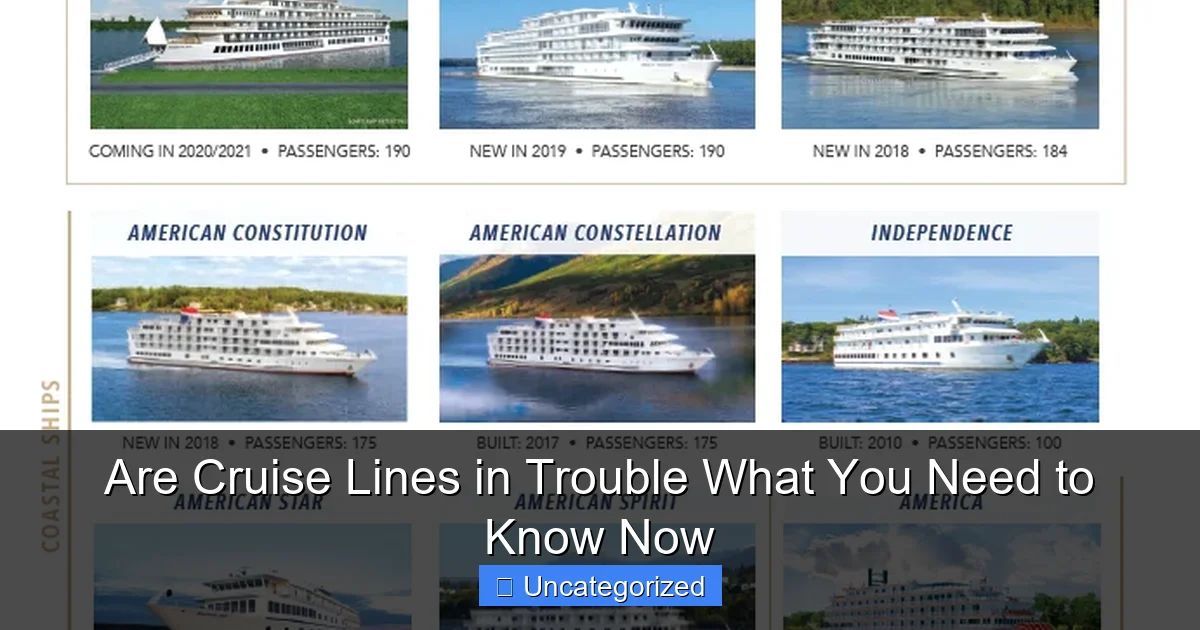
Visual guide about are cruise lines in trouble
Image source: myvirtualvacations.net
Massive Financial Losses and Debt Accumulation
According to the Cruise Lines International Association (CLIA), the global cruise industry lost $77 billion in economic activity and over 500,000 jobs in 2020 alone. Major players like Carnival Corporation, Royal Caribbean Group, and Norwegian Cruise Line Holdings reported record losses:
- Carnival Corporation: $10.2 billion net loss in 2020
- Royal Caribbean: $5.8 billion net loss in 2020
- Norwegian Cruise Line: $4 billion net loss in 2020
To stay afloat, cruise lines took on massive debt. Carnival, for example, increased its total debt from $11 billion in 2019 to over $27 billion by 2022. While revenue has since rebounded, the debt burden remains a significant concern, affecting long-term profitability and investment capacity.
Operational Hurdles: Health Protocols and Crew Challenges
Even after resuming operations, cruise lines faced strict health and safety protocols. The CDC’s Conditional Sailing Order required extensive testing, enhanced sanitation, and reduced passenger loads. While these measures were necessary, they increased operational costs and limited capacity.
Additionally, crew repatriation became a logistical nightmare. Thousands of crew members were stuck on ships for months, leading to mental health issues and labor disputes. Some lines, like MSC Cruises, faced criticism for slow repatriation efforts, damaging their reputation.
Tip for travelers: Before booking, check the cruise line’s health and safety protocols. Look for transparent communication, vaccination requirements, and onboard medical capabilities. Lines like Viking and Princess Cruises have invested heavily in health infrastructure, offering peace of mind.
2. Changing Consumer Behavior: Is Demand Still There?
One of the biggest concerns is whether travelers still want to cruise. After years of pandemic-related uncertainty, consumer confidence has been shaken. However, data suggests that demand is not only returning but evolving in new directions.
Visual guide about are cruise lines in trouble
Image source: skift.com
Post-Pandemic Booking Trends
Despite initial hesitation, cruise bookings have surged since 2022. CLIA reports that 27.2 million passengers sailed in 2023, up from 12.5 million in 2021. This recovery is driven by pent-up demand, attractive pricing, and aggressive marketing.
Interestingly, the demographics are shifting. While older travelers were once the core market, younger generations are now showing interest. According to Royal Caribbean, 35% of their 2023 bookings were from first-time cruisers, many of whom are under 45. This shift is prompting cruise lines to revamp their offerings.
New Preferences: Shorter Cruises, Themed Voyages, and Workations
Modern travelers are looking for flexibility and unique experiences. As a result, cruise lines are adapting:
- Shorter itineraries: 3- to 5-day “mini-cruises” are gaining popularity, especially among younger travelers with limited vacation time.
- Themed cruises: From music festivals to wellness retreats and culinary tours, niche experiences are attracting dedicated fan bases.
- Workation cruises: With remote work on the rise, lines like Virgin Voyages and Celebrity Cruises now offer high-speed internet, co-working spaces, and extended stays.
Example: Virgin Voyages’ “Work from Sea” package includes dedicated Wi-Fi, ergonomic seating, and access to onboard conference rooms—perfect for digital nomads.
Concerns About Trust and Transparency
While demand is rising, trust remains a challenge. Many travelers still associate cruises with outbreaks and poor communication. To rebuild confidence, lines are investing in transparency:
- Real-time health dashboards (e.g., Royal Caribbean’s “Cruise with Confidence” program)
- Flexible cancellation policies
- Clear communication about itinerary changes and safety measures
Tip for travelers: Read recent reviews on platforms like Cruise Critic and TripAdvisor. Pay attention to comments about communication, cleanliness, and how the crew handled unexpected situations.
3. Environmental and Regulatory Pressures: The Sustainability Challenge
Environmental concerns are now a major threat to the cruise industry’s reputation. Cruise ships are often criticized for high carbon emissions, marine pollution, and damage to fragile ecosystems. As global awareness grows, so do the regulatory and consumer pressures.
The Carbon Footprint of Cruising
A single large cruise ship can emit as much CO2 per day as 1 million cars, according to a 2021 study by Transport & Environment. While cruise lines represent a small fraction of global emissions, their per-passenger footprint is high due to fuel-intensive operations and onboard energy use.
Additionally, many older ships still run on heavy fuel oil (HFO), which produces sulfur oxides (SOx) and particulate matter. This has led to stricter regulations:
- IMO 2020: A global sulfur cap reduced allowable sulfur content in marine fuel from 3.5% to 0.5%.
- EU Emissions Trading System (ETS): Starting in 2024, cruise ships calling at EU ports must pay for their carbon emissions.
Investments in Green Technology
To comply with regulations and improve public image, cruise lines are investing billions in sustainability:
- Liquefied Natural Gas (LNG): Royal Caribbean’s Icon of the Seas (launching 2024) runs on LNG, reducing sulfur emissions by 99% and CO2 by 20%.
- Battery and hybrid systems: Carnival’s AIDAnova uses batteries to reduce engine use during port operations.
- Advanced wastewater treatment: Norwegian Cruise Line’s new ships feature systems that purify wastewater to levels exceeding international standards.
Example: Hurtigruten, a leader in sustainable cruising, uses hybrid-electric ships and offers carbon offset options for passengers.
Port Restrictions and Local Opposition
Some destinations are pushing back against cruise tourism. Venice, Italy, has banned large ships from its historic center, citing environmental damage. Barcelona, Amsterdam, and Dubrovnik have also imposed passenger caps or docking fees.
Tip for travelers: If you’re concerned about sustainability, choose lines with strong environmental commitments. Look for certifications like Green Marine or EarthCheck, and opt for smaller, eco-friendly ships when possible.
4. Rising Costs and Economic Headwinds
Even as demand returns, cruise lines face rising operational costs that threaten profitability. Inflation, supply chain issues, and labor shortages are squeezing margins.
Fuel and Food Price Inflation
Fuel is the second-largest expense for cruise lines (after labor). With oil prices fluctuating between $70–$100 per barrel since 2022, fuel costs have soared. Meanwhile, food and beverage costs have risen due to global supply chain disruptions. For example, a 2023 CLIA report noted a 15–20% increase in food prices compared to pre-pandemic levels.
To offset costs, some lines have introduced new fees:
- Service charges (now up to $20 per person per day)
- Premium dining upcharges
- Wi-Fi packages (basic internet can cost $20–$30/day)
Labor Shortages and Wage Increases
The cruise industry relies on a global workforce, but post-pandemic labor shortages have hit hard. Many former crew members left the industry during the shutdown, and recruitment has been slow. To attract talent, cruise lines are offering higher wages and better benefits. Royal Caribbean, for instance, increased crew salaries by 15% in 2023.
Data Table: Cruise Line Financial Performance (2020–2023)
| Cruise Line | 2020 Net Loss ($B) | 2023 Net Income ($B) | Debt (2023, $B) | Passenger Growth (2022–2023) |
|---|---|---|---|---|
| Carnival Corp | 10.2 | 1.2 | 28.5 | +42% |
| Royal Caribbean | 5.8 | 1.8 | 22.1 | +58% |
| Norwegian | 4.0 | 0.9 | 15.3 | +35% |
Source: Company financial reports, CLIA 2023 Cruise Industry Outlook
While profitability is returning, high debt levels mean that cruise lines must generate consistent revenue to avoid future liquidity crises.
5. Innovation and Diversification: How Cruise Lines Are Fighting Back
Despite the challenges, cruise lines are not standing still. They’re leveraging innovation, diversification, and strategic partnerships to ensure long-term survival.
New Ship Designs and Onboard Experiences
Modern cruise ships are more like floating resorts than traditional vessels. Royal Caribbean’s Icon of the Seas, the world’s largest cruise ship (launching 2024), features:
- Seven themed neighborhoods
- An indoor ice rink and waterpark
- Over 40 dining options
- Energy-efficient LNG propulsion
Smaller lines are focusing on luxury and intimacy. Regent Seven Seas’ Seven Seas Grandeur offers all-suite, all-balcony accommodations and included airfare.
Expansion into New Markets
To diversify revenue, cruise lines are entering new sectors:
- River cruising: Viking and AmaWaterways are expanding in Europe and Asia.
- Expedition cruising: Hurtigruten and Lindblad Expeditions focus on polar and wildlife destinations.
- Private islands and resorts: Royal Caribbean’s Perfect Day at CocoCay and Disney’s Castaway Cay generate high-margin revenue.
Technology and Digital Transformation
Cruise lines are investing in tech to enhance guest experience and streamline operations:
- Mobile apps for check-in, room service, and itinerary updates
- Wearable tech (e.g., Carnival’s Ocean Medallion) for contactless payments and personalized service
- AI-powered chatbots for customer support
Tip for travelers: Download the cruise line’s app before departure. It can help you book excursions, manage dining reservations, and stay informed about ship updates.
6. The Future of Cruising: What’s Next?
The cruise industry is at a crossroads. While it faces serious challenges, it also has unique advantages: unmatched scale, global reach, and a loyal customer base. The key to long-term success lies in adaptation and resilience.
Predictions for the Next Decade
- Consolidation: Smaller lines may merge or be acquired by larger players to survive.
- Greener fleets: LNG, hydrogen, and ammonia-powered ships will become standard by 2035.
- Hyper-personalization: AI and data analytics will enable tailored experiences for every guest.
- Regulatory evolution: Stricter emissions rules and port restrictions will push innovation.
Opportunities for Travelers
For travelers, the current climate presents unique opportunities:
- Lower prices: Lines are offering discounts to fill ships and rebuild demand.
- New destinations: Emerging markets like Saudi Arabia and the Philippines are opening up.
- Enhanced safety: Health protocols have improved significantly since 2020.
Tip for travelers: Consider booking a repositioning cruise (when ships move between regions). These one-way trips often have lower prices and unique itineraries.
In conclusion, while cruise lines are indeed facing significant challenges, they are far from doomed. The industry is evolving, investing in sustainability, and adapting to new consumer demands. For travelers, this means more choices, better experiences, and potentially better value. The question isn’t whether cruise lines are in trouble—it’s how they’re responding. And so far, the answer is: with innovation, resilience, and a commitment to a brighter, cleaner, and more inclusive future. Whether you’re a seasoned cruiser or a first-time sailor, now is a great time to explore what the seas have to offer—just do your research, choose wisely, and set sail with confidence.
Frequently Asked Questions
Are cruise lines in trouble financially after recent global events?
While some cruise lines faced significant losses during the pandemic, most major companies have rebounded with strong demand and improved bookings. Many have restructured debt and implemented cost-saving measures to stabilize operations.
Is it safe to book a cruise right now given industry instability?
Yes, most cruise lines are operating safely with updated health protocols and flexible cancellation policies. Industry leaders like Carnival and Royal Caribbean report record occupancy rates in 2023-2024, signaling renewed consumer confidence.
Have cruise lines in trouble laid off staff or reduced fleets?
Several lines temporarily downsized during COVID-19, but recent data shows most are now hiring aggressively and even expanding fleets with new ships. Norwegian Cruise Line, for example, added three vessels in 2023 alone.
How are cruise lines addressing environmental concerns affecting their future?
Major operators are investing billions in LNG-powered ships, carbon offset programs, and advanced wastewater treatment systems. These efforts aim to meet strict EU and IMO emissions regulations while improving sustainability.
What happens if a cruise line in trouble cancels my vacation?
Most lines offer full refunds or future cruise credits if they cancel voyages. Check your contract for details, but major companies like MSC Cruises now include pandemic-related coverage in standard bookings.
Are rising fuel costs pushing more cruise lines into trouble?
While fuel prices impact margins, cruise lines use fuel hedging contracts and itinerary adjustments to mitigate risks. Many are also testing biofuels and hybrid propulsion to reduce long-term exposure to oil prices.