Featured image for are cruise lines helping the bahamas
Image source: oceanblissjourneys.com
Cruise lines are significantly boosting the Bahamas’ tourism and economy, driving passenger arrivals and generating millions in port fees, local spending, and job creation. While concerns about environmental impact and overcrowding persist, strategic partnerships and sustainable investments show how cruise tourism can benefit both the islands and the industry.
Key Takeaways
- Cruise lines drive tourism: They bring millions of visitors, boosting local businesses and attractions.
- Job creation surges: Cruise tourism supports thousands of Bahamian jobs in hospitality and services.
- Infrastructure investments grow: Ports and facilities are upgraded to accommodate increasing cruise traffic.
- Economic leakage is a concern: Much revenue leaves the islands; local sourcing must improve.
- Environmental risks rise: Cruise activities demand stronger sustainability efforts to protect marine ecosystems.
- Community partnerships matter: Collaborations with locals enhance benefits and cultural preservation.
📑 Table of Contents
- The Bahamas: A Cruise Destination in the Spotlight
- Economic Impact of Cruise Tourism on the Bahamas
- Infrastructure Development and Private Island Investments
- Employment and Workforce Development
- Environmental and Cultural Sustainability Concerns
- Future Outlook and Sustainable Growth Strategies
- Conclusion: A Partnership with Potential
The Bahamas: A Cruise Destination in the Spotlight
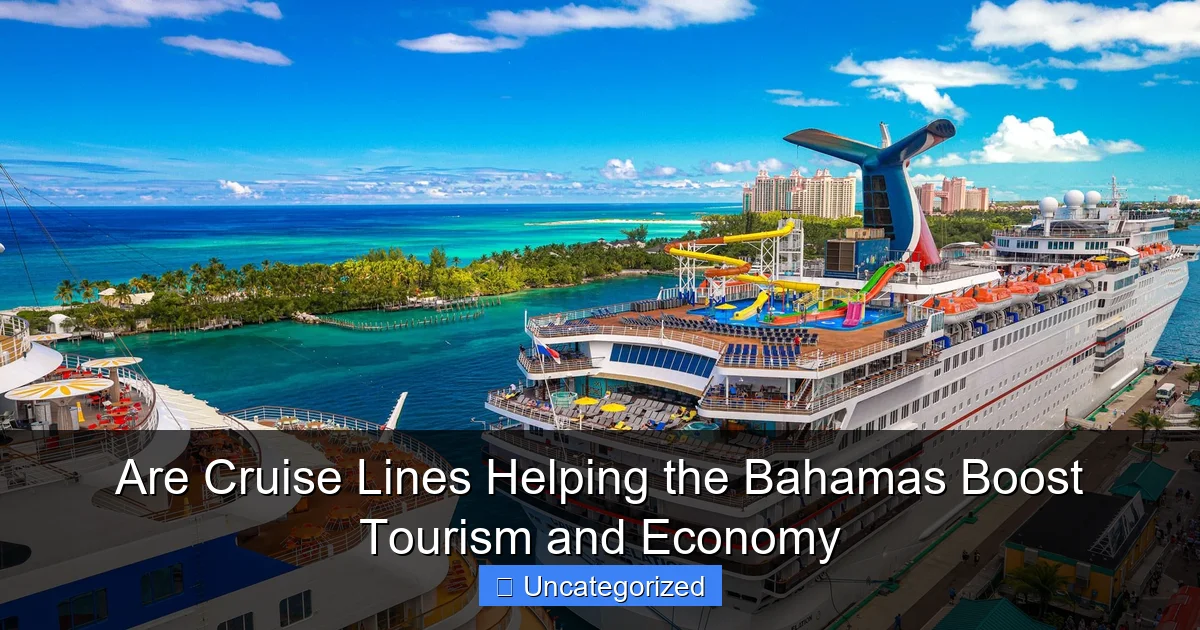
The Bahamas, an archipelago of over 700 islands and cays, has long been a dream destination for travelers seeking turquoise waters, white-sand beaches, and a vibrant island culture. Over the past few decades, the country’s tourism industry has become increasingly intertwined with the global cruise industry. Cruise lines such as Royal Caribbean, Carnival, Norwegian Cruise Line, and Disney Cruise Line have established major ports of call in Nassau, Freeport, and more recently, private island destinations like CocoCay, Castaway Cay, and Ocean Cay. With millions of cruise passengers visiting annually, the question arises: Are cruise lines helping the Bahamas boost tourism and economy?
This blog post dives deep into the multifaceted relationship between cruise lines and the Bahamian economy. While cruise tourism brings undeniable economic benefits—ranging from job creation to infrastructure development—it also raises concerns about sustainability, cultural commodification, and long-term economic dependency. By examining the economic impact, infrastructure investments, employment opportunities, environmental challenges, community engagement, and future outlook, we aim to provide a balanced, data-driven analysis of how cruise lines are shaping the Bahamas’ tourism future. Whether you’re a traveler, investor, or policy enthusiast, understanding this dynamic is key to appreciating both the opportunities and responsibilities that come with mass cruise tourism.
Economic Impact of Cruise Tourism on the Bahamas
Direct and Indirect Revenue Streams
Cruise tourism is a major contributor to the Bahamian economy, accounting for approximately 80% of total international visitors and a significant portion of the country’s GDP. According to the World Travel & Tourism Council (WTTC), travel and tourism contributed 48.8% to the Bahamas’ GDP in 2022, with cruise tourism being a dominant force. In 2019, over 5.4 million cruise passengers visited the Bahamas, generating an estimated $1.2 billion in direct and indirect economic impact.
Visual guide about are cruise lines helping the bahamas
Image source: d23n7ahjfnjotp.cloudfront.net
The revenue streams from cruise tourism are both direct and indirect. Direct income includes port fees, docking charges, and passenger head taxes (also known as the “cruise tax”). Each passenger pays an average of $25–$35 in port and environmental fees, amounting to tens of millions annually. Indirect income comes from passenger spending on shore excursions, retail, dining, water sports, and local transportation. Studies suggest that each cruise passenger spends between $100 and $200 during a typical 4–6 hour stopover, with higher figures in Nassau, where shopping and excursions are more developed.
- Port fees: Collected by the government and port authorities, these funds support port maintenance and upgrades.
- Shore excursions: Local tour operators, guides, and transportation providers benefit from curated excursions.
- Retail and dining: Local shops, restaurants, and artisans gain exposure and sales from cruise passengers.
- Employment: Thousands of Bahamians work in tourism-related jobs, many directly linked to cruise operations.
Multiplier Effect and Local Business Growth
The economic benefits of cruise tourism extend beyond immediate spending. The “multiplier effect” means that every dollar spent by a cruise passenger circulates through multiple sectors of the economy. For example, a passenger who buys a handmade straw bag from a local vendor supports not only the artisan but also the supplier of raw materials, the transportation company delivering the product, and the vendor’s family income, which may be spent on food, education, or housing.
Local businesses have adapted to cater to cruise tourists. In Nassau’s downtown area, the Straw Market has evolved into a bustling hub for souvenirs, crafts, and cultural experiences. Meanwhile, the Bay Street corridor features duty-free shops, jewelry stores, and restaurants that rely heavily on cruise traffic. The government has also invested in Tourism Zones, such as the New Providence Tourism Development Zone, which incentivizes local entrepreneurs to open businesses targeting cruise passengers.
However, the concentration of benefits in urban areas like Nassau and Freeport raises concerns about regional inequality. Smaller islands, such as Exuma or Harbour Island, receive fewer cruise visits and thus benefit less from the economic boom. To address this, the Bahamas Ministry of Tourism has launched initiatives to promote regional cruise itineraries, encouraging cruise lines to include stops in less-visited islands.
Infrastructure Development and Private Island Investments
Public-Private Partnerships in Port Modernization
To accommodate the growing number of cruise ships and passengers, the Bahamas has undergone significant infrastructure development. The government, in collaboration with cruise lines, has invested heavily in modernizing ports and enhancing visitor experiences. One of the most notable projects is the $250 million redevelopment of Nassau Cruise Port, completed in 2023. This public-private partnership between the government and Global Ports Holding has transformed the port into a world-class destination with expanded berths, improved walkways, a new terminal building, and enhanced security and customs facilities.
Visual guide about are cruise lines helping the bahamas
Image source: lifehayat.com
The upgraded port now features:
- Five berths capable of handling the largest cruise ships (Oasis-class vessels).
- Dedicated areas for Bahamian artisans and food vendors.
- Digital signage and visitor information kiosks.
- Improved traffic flow and parking for excursion buses.
These improvements not only enhance the passenger experience but also increase the port’s capacity, allowing for more frequent and larger cruise calls. The project is expected to generate over 1,000 permanent jobs and boost annual passenger traffic to over 6 million by 2025.
Private Island Resorts: A Win-Win for Cruise Lines and the Bahamas
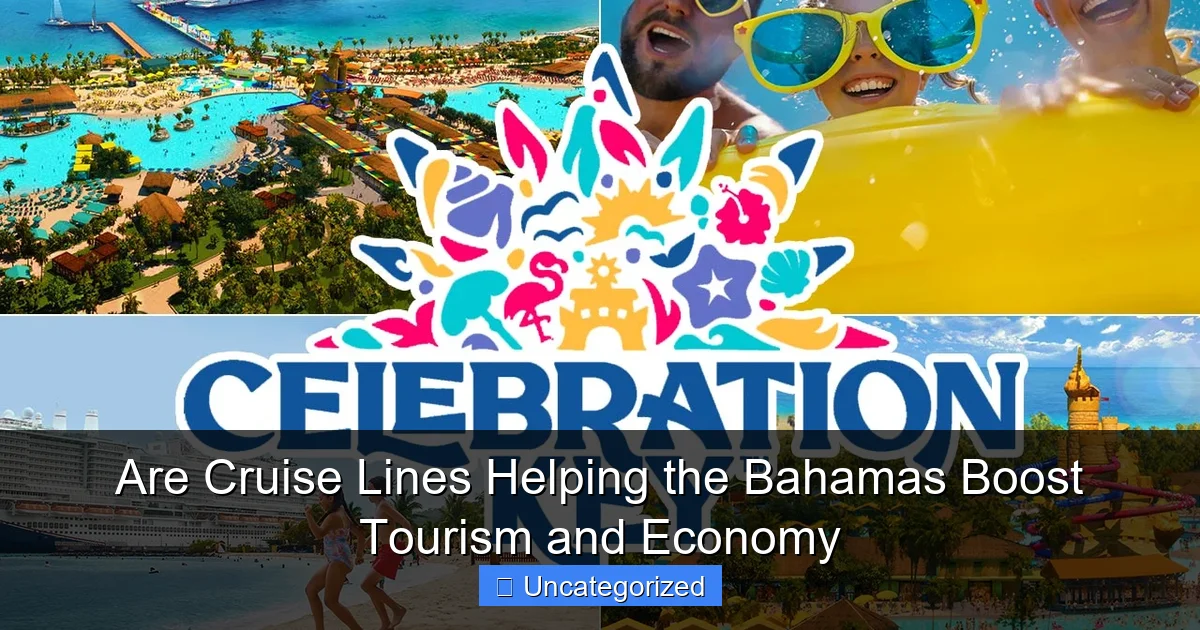
One of the most innovative strategies in modern cruise tourism is the development of private island destinations. Cruise lines lease uninhabited islands, build exclusive resorts, and transport passengers via tender boats. These islands—such as Royal Caribbean’s CocoCay, Carnival’s Half Moon Cay, and Norwegian’s Great Stirrup Cay—are designed to offer premium experiences while minimizing environmental and cultural impact on populated islands.
For example, Perfect Day at CocoCay, a $250 million investment by Royal Caribbean, features:
- Thrill Waterpark with the tallest waterslide in North America.
- Oasis Lagoon, the largest freshwater pool in the Caribbean.
- Private cabanas, zip lines, and a helium balloon ride.
- Local Bahamian food trucks and craft vendors.
While these private islands are operated by cruise lines, they create significant economic value for the Bahamas. The lease agreements generate millions in annual revenue for the government. Additionally, the islands employ hundreds of Bahamians in construction, hospitality, and maintenance roles. Royal Caribbean reports that over 70% of CocoCay’s workforce are Bahamian nationals, and the company has committed to sourcing at least 50% of food and supplies from local vendors.
Moreover, private islands help distribute tourism pressure away from over-visited destinations like Nassau. By offering a self-contained experience, they reduce the need for passengers to spend extended time on populated islands, preserving local culture and infrastructure.
Employment and Workforce Development
Job Creation and Skill Building
Cruise tourism is a major source of employment in the Bahamas. According to the Bahamas Ministry of Tourism, the sector supports over 30,000 jobs, directly and indirectly. These roles span a wide range of industries:
- Hospitality: Hotel staff, chefs, waiters, and housekeepers in hotels catering to pre- and post-cruise guests.
- Transportation: Taxi drivers, bus operators, and water taxi captains.
- Tourism services: Tour guides, dive instructors, and excursion coordinators.
- Retail and crafts: Artisans, shopkeepers, and market vendors.
- Port and logistics: Stevedores, customs officers, and security personnel.
To ensure a skilled workforce, the Bahamas has invested in vocational training programs in partnership with cruise lines and international organizations. The Bahamas Technical and Vocational Institute (BTVI) offers courses in hospitality, tourism management, and customer service, with many graduates placed in cruise-related jobs. Royal Caribbean, for instance, runs a “Crew Training Program” that recruits and trains Bahamians for roles on its private islands and ships.
Challenges in Labor Quality and Wage Equity
Despite job creation, challenges remain. Many cruise-related jobs are seasonal, low-wage, or informal, leading to concerns about labor rights and income stability. A 2022 report by the International Labour Organization (ILO) noted that Bahamian workers in the tourism sector often face long hours, limited benefits, and few opportunities for advancement.
To address this, the government has introduced minimum wage laws for tourism workers and strengthened labor inspections. Additionally, cruise lines are under increasing pressure to improve working conditions. For example, Disney Cruise Line has pledged to pay all Bahamian employees a living wage and provide health insurance and retirement plans. These efforts, while still evolving, signal a shift toward more sustainable and equitable employment models.
Tip for travelers: When booking shore excursions, choose operators that are locally owned and certified by the Bahamas Ministry of Tourism. This ensures your spending supports Bahamian entrepreneurs and promotes fair labor practices.
Environmental and Cultural Sustainability Concerns
Environmental Impact of Cruise Operations
While cruise tourism brings economic benefits, it also poses environmental challenges. Large ships generate significant emissions, waste, and wastewater. In 2021, the Bahamas recorded over 2,500 cruise ship calls, many of which docked in sensitive marine ecosystems. Concerns include:
- Marine pollution: Improper disposal of sewage, graywater, and plastic waste.
- Coral reef damage: Anchoring and snorkeling activities can harm fragile reef systems.
- Carbon emissions: Cruise ships are among the largest contributors to greenhouse gas emissions in coastal regions.
In response, the Bahamas has implemented stricter environmental regulations. Since 2020, all cruise ships must use advanced wastewater treatment systems before discharging in Bahamian waters. The government has also designated Marine Protected Areas (MPAs) where anchoring and certain activities are restricted. For example, the Exuma Cays Land and Sea Park is a no-take zone that protects coral reefs and marine life.
Cruise lines are also adopting greener practices. Royal Caribbean’s Perfect Day at CocoCay is powered by solar energy and uses a closed-loop water system. Norwegian Cruise Line has invested in LNG-powered ships that reduce emissions by up to 25%. These efforts, while not perfect, represent meaningful steps toward sustainability.
Preserving Bahamian Culture and Authenticity
Another concern is the commodification of culture. As cruise tourism grows, there’s a risk that traditional Bahamian music, food, and crafts become “staged” for tourist consumption. In some areas, the authentic cultural experience is overshadowed by commercialized attractions.
To preserve authenticity, the government has launched Cultural Tourism Initiatives. These include:
- Junkanoo festivals: Authentic street parades held during peak cruise seasons.
- Heritage tours: Guided walks through historic neighborhoods like Bain Town and Grants Town.
- Local food markets: Promoting traditional Bahamian dishes like conch salad and johnnycake.
Cruise lines are also incorporating authentic cultural elements into their offerings. For example, Disney Cruise Line features live Junkanoo performances and Bahamian storytellers during its island visits. These efforts help ensure that tourism enriches, rather than erodes, Bahamian culture.
Future Outlook and Sustainable Growth Strategies
Balancing Growth with Sustainability
The future of cruise tourism in the Bahamas depends on sustainable growth. The government has set ambitious goals, including:
- Increasing cruise passenger arrivals to 8 million by 2030.
- Reducing tourism-related carbon emissions by 30% by 2030.
- Expanding regional cruise itineraries to 20% of all calls by 2027.
To achieve these goals, the Bahamas is investing in green infrastructure, such as solar-powered ports and electric excursion vehicles. The Bahamas Sustainable Tourism Initiative (BSTI) provides grants to local businesses for eco-friendly upgrades. Additionally, the government is exploring overnight cruise stays, where passengers spend a full day and night on the island, increasing spending and reducing day-trip congestion.
Collaboration with Cruise Lines and International Bodies
Long-term success requires collaboration. The Bahamas is a member of the Caribbean Tourism Organization (CTO) and the International Council of Cruise Lines (CLIA), which promote best practices in sustainable tourism. Cruise lines are also stepping up. Carnival Corporation has pledged to achieve net-zero emissions by 2050, and Royal Caribbean is investing in shore power infrastructure to allow ships to turn off engines while docked.
Tip for cruise lines: Partner with Bahamian NGOs and universities on marine conservation and cultural preservation projects. This builds goodwill and ensures long-term viability of destinations.
Data Table: Economic and Environmental Impact Summary (2019–2023)
| Metric | 2019 | 2021 | 2023 |
|---|---|---|---|
| Cruise Passenger Arrivals | 5.4 million | 1.2 million (pandemic) | 5.8 million |
| Direct Economic Impact | $1.2 billion | $250 million | $1.4 billion |
| Jobs Supported | 28,000 | 12,000 | 32,000 |
| Private Island Lease Revenue | $15 million | $8 million | $22 million |
| Cruise Ships Using Advanced Wastewater Systems | 60% | 75% | 90% |
| Marine Protected Areas (MPAs) | 12 | 14 | 16 |
Conclusion: A Partnership with Potential
So, are cruise lines helping the Bahamas boost tourism and economy? The answer is a nuanced yes—but with conditions. Cruise tourism has undeniably transformed the Bahamas into a global destination, generating billions in revenue, creating tens of thousands of jobs, and driving infrastructure modernization. The development of private islands, port upgrades, and cultural programming has elevated the visitor experience while creating economic opportunities for local communities.
However, this growth must be managed responsibly. Environmental degradation, cultural commodification, and regional inequality remain pressing challenges. The key to long-term success lies in collaboration, regulation, and innovation. When cruise lines, the government, and local communities work together—with transparency, sustainability, and respect for Bahamian culture—the benefits can be maximized and the risks minimized.
As travelers, we also have a role to play. By choosing responsible cruise lines, supporting local businesses, and respecting the environment and culture, we can help ensure that the Bahamas remains a vibrant, thriving destination for generations to come. The future of Bahamian tourism isn’t just about more passengers—it’s about better tourism.
Frequently Asked Questions
How are cruise lines helping the Bahamas boost tourism?
Cruise lines play a major role in driving tourism to the Bahamas by bringing thousands of visitors daily to ports like Nassau and Freeport. These passengers contribute to local businesses, excursions, and attractions, creating a steady influx of tourism revenue.
Do cruise lines invest in the Bahamas’ economy beyond tourism?
Yes, many cruise lines invest in local infrastructure, job training, and sustainable projects. Partnerships with Bahamian entrepreneurs and port redevelopment initiatives further support long-term economic growth.
Are cruise lines helping the Bahamas preserve its natural resources?
Several cruise lines have launched eco-friendly initiatives, such as reducing waste, supporting marine conservation, and partnering with local groups to protect coral reefs. These efforts help balance tourism growth with environmental sustainability.
How do cruise lines impact small businesses in the Bahamas?
Local artisans, tour operators, and vendors benefit directly from cruise passengers who shop and book experiences ashore. Cruise lines often promote Bahamian-owned businesses through curated shore excursions and marketplace collaborations.
What percentage of the Bahamas’ tourism revenue comes from cruise lines?
Studies estimate that cruise tourism accounts for over 60% of the Bahamas’ visitor arrivals, significantly boosting GDP. This highlights how vital cruise lines are to the nation’s economic stability.
Are cruise lines helping the Bahamas recover from natural disasters?
Post-hurricane recovery efforts have included cruise lines funding reconstruction, donating supplies, and resuming visits to revive tourism. Their rapid return helps restore livelihoods and confidence in the tourism sector.