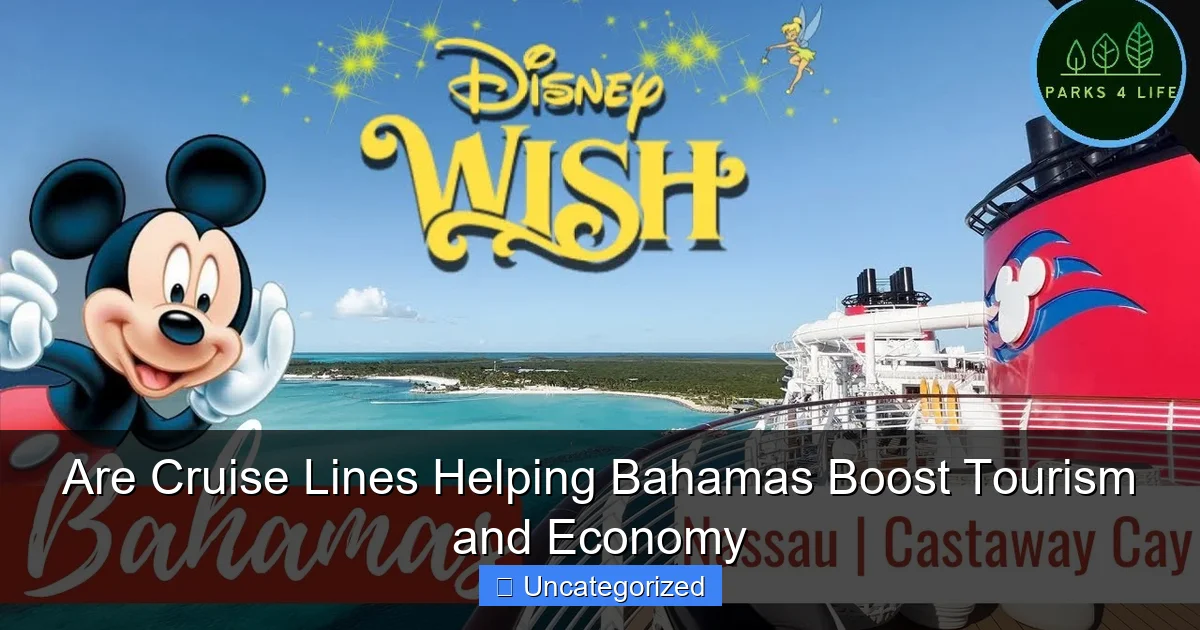
Featured image for are cruise lines helping bahamas
Image source: xrisi.com
Cruise lines are significantly boosting the Bahamas’ tourism and economy, driving passenger arrivals, port expansions, and local business growth. With over 9 million cruise visitors annually, the sector fuels jobs, infrastructure, and revenue, though balancing mass tourism with sustainable development remains a critical challenge for long-term success.
Key Takeaways
- Cruise lines drive 60% of Bahamas’ visitors, significantly boosting tourism numbers.
- Port investments create jobs, enhancing local economic opportunities and infrastructure.
- New cruise partnerships attract high-spending tourists, elevating revenue for Bahamian businesses.
- Seasonal tourism spikes require sustainable planning to manage environmental and social impacts.
- Local sourcing mandates can amplify cruise lines’ economic benefits for Bahamian suppliers.
📑 Table of Contents
- Are Cruise Lines Helping Bahamas Boost Tourism and Economy?
- The Economic Impact of Cruise Tourism on the Bahamas
- Private Islands and Cruise Line Investments: A Double-Edged Sword?
- Supporting Local Businesses and Community Development
- Environmental Sustainability: Challenges and Innovations
- Future Outlook: Can the Bahamas Maximize Cruise Benefits?
- Conclusion
Are Cruise Lines Helping Bahamas Boost Tourism and Economy?
The Bahamas, a breathtaking archipelago of over 700 islands scattered across the turquoise waters of the Atlantic Ocean, has long been a premier destination for sun-seekers, divers, and luxury travelers. With its powdery white-sand beaches, vibrant coral reefs, and rich cultural heritage, the country has built a reputation as a tropical paradise. Yet, behind this idyllic image lies a complex economic reality: tourism is the lifeblood of the Bahamian economy, accounting for over 48% of the nation’s GDP and supporting nearly half of all jobs. In this context, cruise tourism has emerged as a pivotal force, bringing millions of visitors to the islands each year and injecting billions into the local economy. But the question remains: Are cruise lines truly helping the Bahamas boost tourism and its broader economy, or are they merely extracting value while leaving environmental and social costs in their wake?
To answer this, we must look beyond the surface of glossy brochures and port-of-call itineraries. Cruise lines like Carnival, Royal Caribbean, Norwegian, and MSC have invested heavily in the Bahamas—building private islands, upgrading infrastructure, and partnering with local businesses. However, the impact of these efforts is multifaceted. While cruise tourism brings undeniable economic benefits, it also presents challenges related to sustainability, income inequality, and environmental degradation. This article explores the symbiotic relationship between cruise lines and the Bahamas, analyzing how cruise tourism contributes to economic growth, supports small businesses, creates jobs, and shapes the country’s long-term development. We’ll also examine the risks and opportunities, offering insights into how both the government and private sector can maximize benefits while minimizing harm.
The Economic Impact of Cruise Tourism on the Bahamas
Direct Revenue from Cruise Passengers
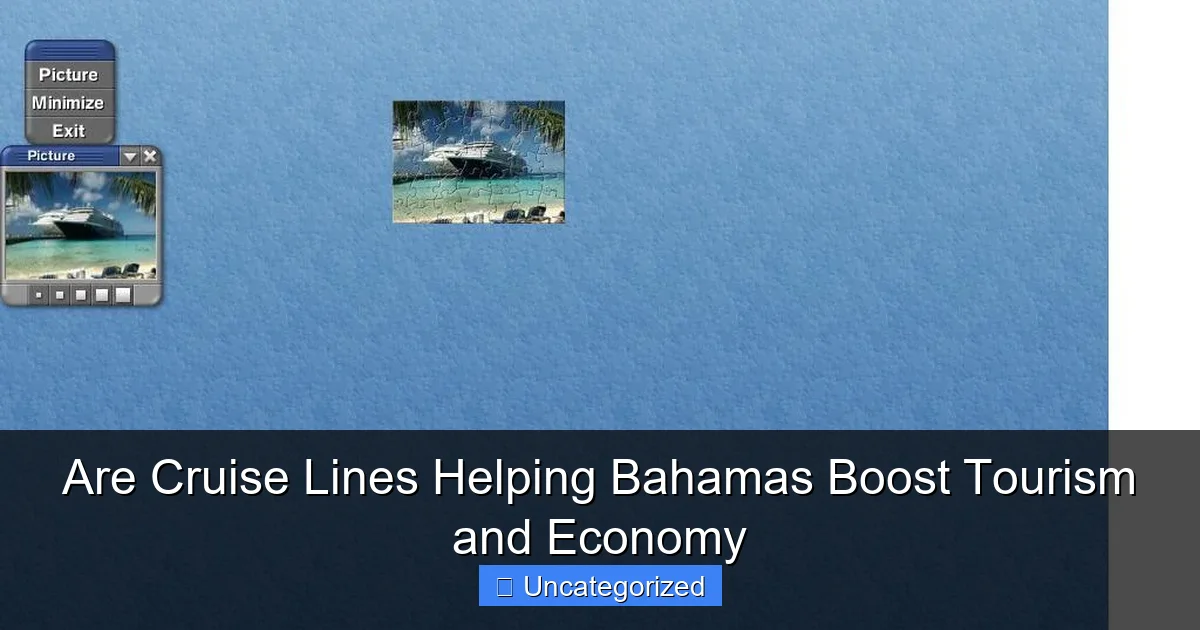
Cruise tourism generates substantial direct revenue for the Bahamas through port fees, passenger taxes, and onboard spending. In 2023, the country welcomed over 10 million cruise passengers, a record-breaking number that surpassed pre-pandemic levels. According to the Ministry of Tourism, the average cruise passenger spends approximately $150–$200 per day during their visit, primarily on shore excursions, dining, shopping, and transportation. With millions of passengers arriving annually, this translates to $1.5 to $2 billion in direct visitor spending—a significant contribution to national income.
Visual guide about are cruise lines helping bahamas
Image source: picclickimg.com
For example, Nassau, the capital, receives over 4 million cruise visitors each year, making it one of the busiest cruise ports in the Caribbean. The Port of Nassau has undergone a $250 million redevelopment project, funded in part by Carnival Corporation, to accommodate larger vessels and enhance the passenger experience. This investment includes expanded terminal facilities, upgraded walkways, and improved retail spaces, all of which aim to increase passenger dwell time and spending.
Job Creation and Employment Opportunities
Cruise tourism supports a wide range of employment opportunities across various sectors. While many jobs are seasonal or part-time, they provide essential income for thousands of Bahamians. According to the Bahamas Hotel and Tourism Association (BHTA), the cruise industry supports an estimated 25,000–30,000 jobs directly and indirectly. These include roles in hospitality, transportation, retail, entertainment, and tour operations.
- Tour guides and excursion operators: Local entrepreneurs offer snorkeling trips, island tours, and cultural experiences, many of which are booked through cruise lines or independent platforms.
- Taxi and shuttle drivers: With limited public transportation, private drivers are in high demand during cruise days, earning up to $300 per day during peak season.
- Artisans and vendors: Straw markets in Nassau and Freeport thrive on cruise passenger foot traffic, with vendors selling handmade jewelry, conch shells, and Bahamian crafts.
- Port and terminal staff: From security personnel to baggage handlers, hundreds are employed to manage the flow of cruise passengers.
Government Revenue and Taxation
The Bahamian government collects substantial revenue from cruise tourism through a combination of port dues, head taxes, and value-added tax (VAT) on goods and services. In 2023, the government collected over $120 million in cruise-related taxes and fees, which are reinvested into public services, infrastructure, and environmental conservation projects. For instance, a portion of the Nassau port redevelopment funding came from a public-private partnership, with Carnival Corporation contributing $50 million in exchange for a 25-year operating agreement.
Additionally, the government has introduced a $20 per passenger tourism development fee, introduced in 2022, specifically earmarked for tourism marketing, community projects, and sustainable development initiatives. This fee is collected by cruise lines and remitted to the Bahamas Ministry of Tourism, ensuring that a share of cruise revenue directly benefits local communities.
Private Islands and Cruise Line Investments: A Double-Edged Sword?
Development of Private Cruise Destinations
One of the most visible ways cruise lines are investing in the Bahamas is through the creation of private islands and exclusive destinations. These include CocoCay (Royal Caribbean), Half Moon Cay (Carnival), and Great Stirrup Cay (Norwegian). These islands are designed to offer a controlled, branded experience—featuring water parks, private beaches, cabanas, and gourmet dining—all tailored to cruise passengers.
Visual guide about are cruise lines helping bahamas
Image source: i.ytimg.com
For example, Royal Caribbean’s CocoCay, located on Great Stirrup Cay, underwent a $250 million transformation in 2019, adding attractions like the Perfect Day Water Park, Up, Up and Away helium balloon, and Chill Island for relaxation. The island can now accommodate up to 10,000 guests per day and has become a major draw for families and thrill-seekers alike.
Economic Benefits and Local Integration
While private islands are operated by cruise lines, they do generate economic benefits for the Bahamas. Cruise companies are required to hire local staff for construction, maintenance, and operations. Royal Caribbean, for instance, employs over 500 Bahamians on CocoCay, offering competitive wages and benefits. The company also sources food, beverages, and construction materials from Bahamian suppliers, supporting local agriculture and manufacturing.
Moreover, cruise lines often partner with Bahamian-owned businesses to offer excursions beyond the private island. For example:
- Royal Caribbean collaborates with Blue Adventures Bahamas to offer jet-ski tours and glass-bottom boat rides.
- Carnival partners with Island Routes, a locally managed excursion company, to promote authentic cultural experiences like Junkanoo parades and rum tastings.
Concerns About Exclusivity and Leakage
Despite these benefits, critics argue that private islands contribute to economic leakage—a phenomenon where most revenue stays with the cruise line rather than circulating in the local economy. On CocoCay, for instance, 90% of spending goes toward Royal Caribbean-owned facilities, with limited opportunities for independent vendors. This creates a dual economy: one for cruise passengers on private islands, and another for the rest of the island, where local entrepreneurs struggle to compete.
Additionally, the environmental footprint of these developments is a growing concern. The dredging, construction, and increased foot traffic can damage coral reefs, seagrass beds, and marine habitats. In response, some cruise lines have implemented sustainability measures—such as solar power, waste recycling, and marine conservation programs—but critics argue these are not enough to offset the long-term impact.
Supporting Local Businesses and Community Development
Cruise Lines Partnering with Bahamian Entrepreneurs
To address concerns about economic leakage, cruise lines are increasingly adopting local sourcing policies and community engagement initiatives. For example, Carnival Corporation’s “Local Love” program connects cruise lines with Bahamian-owned businesses to supply goods and services. In 2023, Carnival sourced over $30 million in products from Bahamian farmers, fishermen, and artisans, including fresh produce, seafood, and handmade souvenirs.
Royal Caribbean’s “Made in the Bahamas” initiative promotes Bahamian culture through onboard entertainment, cuisine, and retail. Passengers can enjoy traditional dishes like conch fritters and peas and rice, listen to Junkanoo music, and purchase crafts from Bahamian artists. The company also sponsors local festivals and cultural events, helping to preserve national heritage while boosting tourism appeal.
Training and Capacity Building Programs
Cruise lines are investing in workforce development to ensure Bahamians have the skills to thrive in the tourism industry. Norwegian Cruise Line’s “Future Leaders of Tourism” program, launched in partnership with the Bahamas Ministry of Education, offers scholarships, internships, and mentorship opportunities for young Bahamians pursuing careers in hospitality, marine biology, and tourism management.
Similarly, Carnival’s “Skills for Life” initiative provides free training in customer service, first aid, and digital marketing for small business owners. Over 1,200 Bahamians have completed the program since 2020, many of whom now operate successful tour companies or souvenir shops catering to cruise passengers.
Community Projects and Philanthropy
Beyond economic support, cruise lines are contributing to social development through charitable giving and infrastructure projects. MSC Cruises, for instance, has funded the construction of a new community center in Freeport, offering after-school programs, health services, and vocational training. The company also donates a portion of onboard sales to the Bahamas Red Cross, supporting disaster relief efforts.
Royal Caribbean’s “Blue for the Bahamas” campaign has raised over $2 million for coral reef restoration, mangrove reforestation, and marine education programs. These initiatives not only benefit the environment but also enhance the long-term appeal of the Bahamas as a sustainable destination.
Environmental Sustainability: Challenges and Innovations
Environmental Risks of Cruise Tourism
While cruise tourism brings economic benefits, it also poses significant environmental challenges. The Bahamas is home to some of the world’s most fragile ecosystems, including the third-largest barrier reef, extensive mangrove forests, and endangered species like the Bahamian rock iguana. Cruise ships contribute to pollution through:
- Wastewater discharge: Even with modern treatment systems, residual nutrients and chemicals can harm marine life.
- Ballast water: Can introduce invasive species that disrupt native ecosystems.
- Carbon emissions: Large cruise ships emit thousands of tons of CO2 annually, contributing to climate change.
- Anchor damage: Improper anchoring can destroy coral reefs and seagrass beds.
Green Technologies and Cleaner Operations
To mitigate these impacts, cruise lines are investing in cleaner technologies and sustainable practices. Royal Caribbean Group, for example, has committed to net-zero emissions by 2050 and is testing liquefied natural gas (LNG) as a cleaner fuel. The company’s newest ships, like Icon of the Seas, feature advanced wastewater treatment, air lubrication systems to reduce drag, and shore power connectivity to cut emissions while docked.
Carnival Corporation has introduced Exhaust Gas Cleaning Systems (EGCS) on over 100 ships, reducing sulfur oxide emissions by 98%. The company also uses AI-powered route optimization to minimize fuel consumption and avoid sensitive marine areas.
Marine Conservation and Eco-Tourism
Many cruise lines are partnering with Bahamian conservation groups to protect natural resources. For example:
- Norwegian Cruise Line supports the Perry Institute for Marine Science in coral reef monitoring and restoration.
- MSC Cruises funds the Blue Project Foundation, which protects endangered species and promotes eco-tourism.
- Royal Caribbean sponsors the Andros Barrier Reef Restoration Project, planting over 10,000 coral fragments since 2021.
These efforts not only protect the environment but also enhance the Bahamas’ reputation as a leader in sustainable tourism, attracting environmentally conscious travelers.
Future Outlook: Can the Bahamas Maximize Cruise Benefits?
Balancing Growth with Sustainability
As the Bahamas aims to welcome 12 million cruise passengers by 2025, the government and cruise lines must strike a balance between economic growth and environmental stewardship. This requires:
- Stricter regulations: Enforcing no-anchor zones in sensitive marine areas and requiring advanced wastewater treatment.
- Local empowerment: Ensuring Bahamian businesses receive a fair share of cruise tourism revenue through mandatory local sourcing quotas.
- Community involvement: Involving residents in tourism planning and decision-making to ensure development meets local needs.
Expanding Beyond Nassau and Freeport
Currently, over 70% of cruise passengers visit Nassau and Freeport, leading to overcrowding and strain on infrastructure. To promote regional development, cruise lines are exploring new destinations like Exuma, Abaco, and Eleuthera. For example, Royal Caribbean is developing a new port in Exuma, which will include a marina, eco-tours, and cultural villages—creating jobs and reducing pressure on major hubs.
Data Table: Cruise Tourism Impact in the Bahamas (2023)
| Metric | Value | Source |
|---|---|---|
| Total Cruise Passengers | 10.2 million | Bahamas Ministry of Tourism |
| Average Daily Spend per Passenger | $175 | World Travel & Tourism Council |
| Direct Tourism Revenue | $1.8 billion | Bahamas Central Bank |
| Cruise-Related Tax Revenue | $120 million | Ministry of Finance |
| Jobs Supported by Cruise Tourism | 28,000 | BHTA |
| Private Island Investments (2019–2023) | $800 million | Royal Caribbean, Carnival, Norwegian |
| Local Sourcing by Cruise Lines | $45 million | Carnival Corporation Report |
Innovative Partnerships and Technology
The future of cruise tourism in the Bahamas lies in innovation. Digital platforms like Bahamas Excursion Marketplace allow local tour operators to list their services directly to cruise passengers, increasing transparency and competition. Meanwhile, blockchain-based payment systems are being tested to ensure fair wages for workers and reduce fraud.
Additionally, virtual reality (VR) tours and augmented reality (AR) experiences are being developed to enhance the visitor experience while reducing physical strain on fragile sites. For example, the Lucayan National Park is launching an AR-guided walking tour, allowing visitors to explore ancient caves without disturbing the environment.
Conclusion
So, are cruise lines helping the Bahamas boost tourism and the economy? The answer is a resounding yes—but with caveats. Cruise tourism has undeniably revitalized the Bahamian economy, bringing billions in revenue, creating tens of thousands of jobs, and supporting local businesses. Investments in private islands, infrastructure, and community programs have modernized the tourism sector and enhanced the visitor experience. Moreover, cruise lines are increasingly embracing sustainability, investing in clean technologies, and partnering with conservation groups to protect the country’s natural treasures.
However, the relationship is not without challenges. Economic leakage, environmental degradation, and overcrowding remain pressing concerns. To ensure long-term success, the Bahamas must adopt a holistic approach that prioritizes sustainability, local empowerment, and equitable growth. This means enforcing stricter environmental regulations, expanding cruise destinations beyond major hubs, and ensuring that Bahamians—not just multinational corporations—reap the benefits of tourism.
For travelers, the message is clear: when you choose to cruise to the Bahamas, you have the power to support responsible tourism. Opt for excursions run by local operators, purchase authentic Bahamian crafts, and choose cruise lines with strong sustainability commitments. By doing so, you’re not just enjoying a vacation—you’re helping to build a brighter, more sustainable future for the Bahamas.
Frequently Asked Questions
How are cruise lines helping Bahamas boost tourism?
Cruise lines play a major role in bringing thousands of visitors to the Bahamas annually, increasing foot traffic at popular destinations like Nassau and Freeport. This surge in tourism supports local businesses, from restaurants to tour operators, and helps sustain jobs across the islands.
Do cruise lines contribute to the Bahamian economy beyond ticket sales?
Yes, cruise lines help the Bahamas economy by purchasing local goods, hiring Bahamian staff, and investing in port infrastructure. Many also partner with local artisans and vendors, creating revenue streams that extend beyond passenger spending.
Are cruise lines helping Bahamas through sustainable tourism initiatives?
Several major cruise lines have launched eco-friendly programs in the Bahamas, including waste reduction and marine conservation efforts. These initiatives aim to protect the country’s natural beauty while promoting long-term, sustainable tourism growth.
What benefits do Bahamian communities see from cruise tourism?
Communities benefit from increased demand for local tours, cultural experiences, and handmade crafts, often organized through cruise line partnerships. This exposure helps small businesses thrive while preserving Bahamian culture for visitors.
How do cruise lines help the Bahamas during economic downturns?
During tough times, cruise lines often maintain or increase their Bahamas itineraries, providing a stable source of tourism income. Their marketing efforts also attract new travelers, helping the islands recover faster.
Are cruise lines helping Bahamas by funding infrastructure projects?
Many cruise companies fund port upgrades and transportation improvements, like the redevelopment of Nassau’s Prince George Wharf. These investments enhance the visitor experience and support broader economic development goals.