Featured image for are cruise lines going to survive
Image source: imperialcruisevacations.com
Cruise lines are fighting to survive an evolving travel landscape shaped by climate concerns, shifting consumer preferences, and post-pandemic caution. Adaptation through sustainability, innovation, and personalized experiences will determine which brands thrive in the future of travel.
Key Takeaways
- Adapt or perish: Cruise lines must innovate to meet evolving traveler expectations.
- Eco-friendly focus: Sustainability investments are critical for long-term survival.
- Tech integration: Digital tools will redefine onboard experiences and safety.
- Health protocols: Robust hygiene measures remain non-negotiable for passenger trust.
- Market shifts: Target younger travelers with flexible, experience-driven itineraries.
- Cost control: Streamline operations to offset rising fuel and labor expenses.
📑 Table of Contents
- Are Cruise Lines Going to Survive the Future of Travel
- 1. The Pandemic Aftermath and Financial Resilience
- 2. Technological Innovation and the Rise of Smart Cruising
- 3. Shifting Consumer Preferences: Millennials, Gen Z, and Experience Seekers
- 4. Environmental Challenges and the Push for Sustainability
- 5. Competition and Market Diversification
- 6. The Future Outlook: Can Cruise Lines Adapt?
Are Cruise Lines Going to Survive the Future of Travel
For decades, cruise lines have been a cornerstone of the global tourism industry, offering travelers a unique blend of luxury, convenience, and adventure. From the golden age of ocean liners to the mega-ships of today, cruising has evolved into a multi-billion-dollar industry that serves millions of passengers annually. However, recent global events, shifting consumer preferences, and environmental concerns have raised a pressing question: Are cruise lines going to survive the future of travel?
The answer isn’t straightforward. On one hand, cruise lines face unprecedented challenges—pandemics, climate change regulations, and rising operational costs. On the other, they’re adapting with innovation, technology, and sustainability initiatives that could secure their place in the future of travel. This post explores the key factors determining whether cruise lines can not only survive but thrive in the coming decades. We’ll examine industry trends, technological advancements, consumer behavior, and the environmental impact of cruising, offering a balanced perspective on what lies ahead.
1. The Pandemic Aftermath and Financial Resilience
The Immediate Fallout
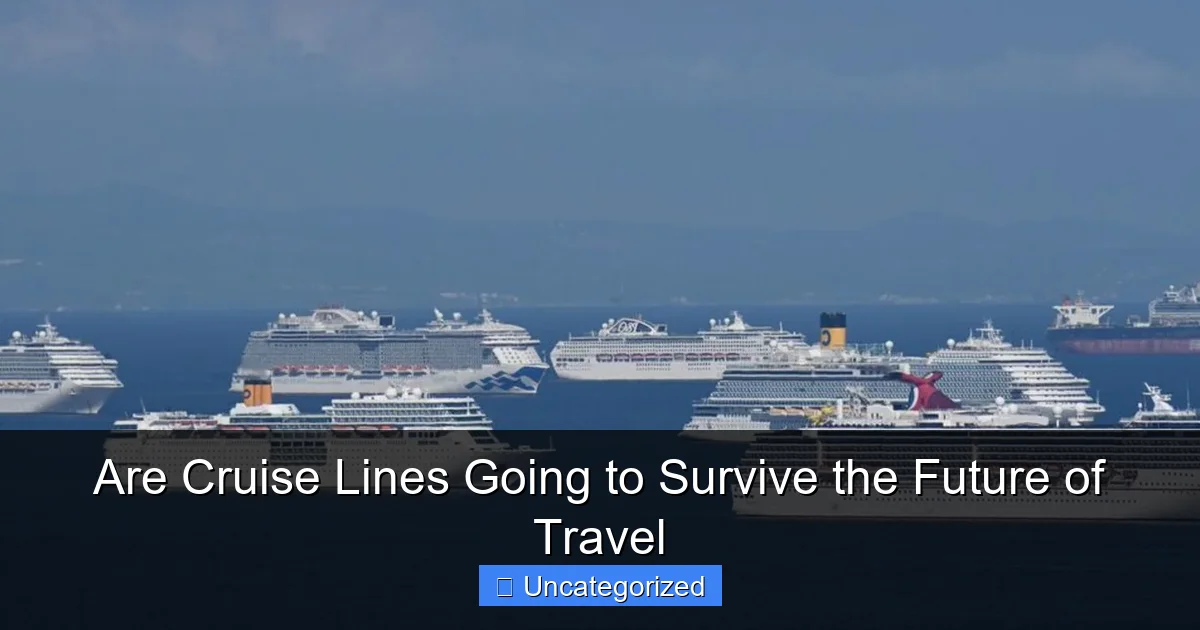
The cruise industry was one of the hardest-hit sectors during the COVID-19 pandemic. With ships docked globally for months, revenues plummeted, and companies like Carnival Corporation, Royal Caribbean, and Norwegian Cruise Line faced billions in losses. In 2020, the Centers for Disease Control and Prevention (CDC) issued a “No Sail Order” for U.S. waters, halting operations for over a year. This period forced cruise lines to rethink safety protocols, financial structures, and long-term strategies.
Visual guide about are cruise lines going to survive
Image source: imperialcruisevacations.com
Key challenges included:
- Debt accumulation: Many cruise lines took on significant debt to survive, with Carnival alone raising $25 billion in emergency funding.
- Refund disputes: Passengers demanded refunds for canceled trips, leading to class-action lawsuits and reputational damage.
- Health infrastructure: Ships had to retrofit air filtration systems, install medical isolation units, and implement contactless technology.
Recovery and Financial Adaptations
Despite the setbacks, cruise lines demonstrated remarkable resilience. By 2023, most major companies had resumed operations at 80-90% capacity. Royal Caribbean reported a 30% increase in bookings for 2024, signaling renewed consumer confidence. To stabilize finances, cruise lines adopted several strategies:
- Cost-cutting measures: Reducing non-essential spending, renegotiating supplier contracts, and optimizing ship routes.
- New revenue streams: Selling onboard experiences (e.g., specialty dining, spa packages) as “pre-bookable” add-ons.
- Government partnerships: Collaborating with health agencies to develop standardized safety protocols.
Tip for travelers: Book early and opt for flexible cancellation policies. Many cruise lines now offer “peace of mind” guarantees, allowing free rescheduling up to 48 hours before departure.
2. Technological Innovation and the Rise of Smart Cruising
Digital Transformation Onboard
The future of cruising is inextricably linked to technology. Cruise lines are investing heavily in digital tools to enhance safety, personalization, and efficiency. For example:

Visual guide about are cruise lines going to survive
Image source: wayofthedogg.com
- Wearable tech: Royal Caribbean’s “WOWbands” (wristbands) streamline check-ins, room access, and payments.
- AI-powered apps: Norwegian Cruise Line’s app uses AI to suggest activities, dining reservations, and shore excursions based on user preferences.
- Virtual reality (VR): Princess Cruises offers VR experiences of ports-of-call for passengers who prefer to stay onboard.
Autonomous Ships and Sustainability Tech
The industry is also exploring autonomous navigation systems. In 2022, Hurtigruten Expeditions launched the world’s first hybrid-electric cruise ship, MS Roald Amundsen, reducing emissions by 20%. Meanwhile, Carnival’s “Project Genesis” aims to launch a fully autonomous ship by 2030, using AI to optimize fuel efficiency and route planning.
Other innovations include:
- Smart cabins: Motion sensors, voice-controlled lighting, and climate adjustments (e.g., MSC Cruises’ “MSC for Me” system).
- Blockchain for supply chains: Ensuring transparency in sourcing sustainable materials.
- Robotic bartenders: Royal Caribbean’s “Bionic Bar” serves cocktails via app orders.
Tip for travelers: Download your cruise line’s app before departure. Many offer real-time updates on deck closures, weather, and onboard events.
3. Shifting Consumer Preferences: Millennials, Gen Z, and Experience Seekers
The Rise of “Bleisure” and Niche Cruising
Traditional cruising—long associated with retirees and families—is being reshaped by younger travelers. Millennials and Gen Z now account for 40% of first-time cruisers, according to a 2023 CLIA report. These demographics prioritize:
- Authentic experiences: Cultural immersion, local cuisine, and off-the-beaten-path excursions (e.g., Viking Cruises’ “Cultural Treasures” itineraries).
- Bleisure travel: Combining work and leisure, with ships offering high-speed Wi-Fi and co-working spaces (e.g., Virgin Voyages’ “Sailor Social Club”).
- Adventure cruising: Expedition ships to Antarctica, the Galápagos, or the Arctic (e.g., Lindblad Expeditions).
Personalization and Inclusivity
To attract younger crowds, cruise lines are ditching one-size-fits-all packages. Examples include:
- Royal Caribbean’s “Adventure Ocean”: Age-specific activities for kids, teens, and adults.
- Norwegian’s “Free at Sea”: Customizable perks (e.g., free drinks, specialty dining, Wi-Fi).
- Holistic wellness: Carnival’s “Spa Carnival” offers yoga, meditation, and mental health workshops.
Tip for travelers: Research niche cruise lines (e.g., Azamara for cultural immersion, Windstar for small-ship luxury) to match your interests.
4. Environmental Challenges and the Push for Sustainability
The Carbon Footprint Problem
Cruise ships are often criticized for their environmental impact. A single large vessel can emit as much CO2 as 1 million cars annually. Key issues include:
- Air pollution: Heavy fuel oil (HFO) use releases sulfur oxides (SOx) and particulate matter.
- Waste management: Plastic waste, sewage, and graywater disposal in sensitive marine areas.
- Noise pollution: Disrupting marine life, particularly in ecologically rich zones.
Green Initiatives and Regulatory Pressures
The industry is responding with aggressive sustainability goals. By 2030, major cruise lines aim to reduce carbon emissions by 40-50%. Strategies include:
- Liquefied Natural Gas (LNG): Carnival’s “Excel-class” ships use LNG, cutting SOx emissions by 90%.
- Shore power connections: Docking ships in ports with electric grids to eliminate idling (e.g., Seattle, Los Angeles).
- Waste-to-energy systems: Converting food waste into biogas (e.g., MSC Cruises’ “MSC Bellissima”).
Regulatory frameworks are also tightening. The International Maritime Organization (IMO) has mandated a 50% reduction in greenhouse gas emissions by 2050. Non-compliance could result in hefty fines or port bans.
Tip for travelers: Choose cruise lines with strong ESG (Environmental, Social, Governance) ratings. Look for certifications like “Green Marine” or “Blue Flag.”
5. Competition and Market Diversification
New Players and Niche Markets
The cruise industry is no longer dominated by a few giants. New players are entering the market with specialized offerings:
- Luxury expedition cruises: Silversea, Seabourn, and Ponant focus on high-end, low-capacity voyages.
- River cruising: Viking, AmaWaterways, and Uniworld cater to travelers seeking scenic, intimate experiences.
- Space and subsea cruises: Virgin Galactic’s “Space Cruise” concept and Triton Submarines’ underwater expeditions.
Partnerships and Alliances
To stay competitive, cruise lines are forming strategic alliances. Examples include:
- Carnival & Costa: Shared technology and port infrastructure to reduce costs.
- Royal Caribbean & TUI Cruises: Co-branded ships targeting European markets.
- Disney & National Geographic: “Expedition Cruises” combining storytelling with adventure.
Data Table: Cruise Line Sustainability Initiatives (2023)
| Cruise Line | Key Sustainability Initiative | Target Year | Progress |
|---|---|---|---|
| Carnival | LNG-powered ships | 2030 | 5 ships in service |
| Royal Caribbean | Zero-emission ships (Project Evolution) | 2035 | Prototype testing |
| Norwegian | Carbon-neutral operations | 2050 | 20% reduction since 2019 |
| MSC Cruises | Advanced wastewater treatment | 2025 | 100% of fleet upgraded |
6. The Future Outlook: Can Cruise Lines Adapt?
Opportunities for Growth
Despite challenges, the industry has significant growth potential:
- Emerging markets: Rising middle-class populations in Asia, Latin America, and Africa.
- Technology adoption: AI, IoT, and blockchain could reduce costs and improve customer retention.
- Health and safety: Post-pandemic hygiene standards may become a competitive advantage.
Risks and Uncertainties
However, long-term survival depends on addressing critical risks:
- Regulatory compliance: Stricter environmental laws could increase operational costs by 15-20%.
- Climate change: Rising sea levels and extreme weather may disrupt itineraries.
- Consumer trust: Rebuilding confidence after pandemic-related cancellations and outbreaks.
Expert Predictions
Industry analysts remain cautiously optimistic. A 2023 Deloitte report predicts that cruise demand will exceed pre-pandemic levels by 2026, driven by:
- Experience economy: 70% of travelers prioritize “experiences” over material goods.
- Sustainability as a USP: Eco-conscious travelers willing to pay a 10-15% premium for green cruises.
- Demographic shifts: Aging populations in developed nations will sustain demand for luxury cruises.
Tip for travelers: Stay informed about industry trends. Subscribe to cruise line newsletters or follow travel influencers for real-time updates on new itineraries, tech features, and sustainability efforts.
The question “Are cruise lines going to survive?” doesn’t have a binary answer. The industry is at a crossroads, where adaptation and innovation will determine its fate. While challenges like environmental regulations and shifting consumer expectations are daunting, cruise lines have a history of reinvention. By embracing technology, prioritizing sustainability, and catering to evolving traveler needs, they can not only survive but redefine the future of travel. For passengers, this means more choices, better experiences, and a chance to explore the world in ways that are smarter, greener, and more personalized than ever before. The voyage ahead is uncertain, but the destination—a resilient, reimagined cruise industry—is within reach.
Frequently Asked Questions
Are cruise lines going to survive the post-pandemic travel industry?
Yes, major cruise lines are adapting through enhanced sanitation protocols, flexible booking policies, and health screenings to regain traveler confidence. While recovery is gradual, demand for cruise vacations is rebounding as restrictions ease worldwide.
How are cruise lines surviving environmental and sustainability concerns?
Cruise lines are investing in LNG-powered ships, waste-reduction technologies, and eco-friendly itineraries to address environmental criticisms. Many have pledged to achieve net-zero emissions by 2050, aligning with global sustainability goals.
Will rising travel costs impact the survival of cruise lines?
Fuel prices and inflation have forced cruise lines to adjust pricing, but they remain competitively priced compared to land-based vacations. Loyalty programs and bundled deals help offset costs, keeping them attractive for budget-conscious travelers.
Are cruise lines going to survive due to shifting traveler preferences?
Cruise lines are evolving by offering shorter voyages, adventure-focused excursions, and themed cruises (e.g., wellness, culinary) to appeal to younger demographics. Customization and unique onboard experiences help them stay relevant.
How is digital innovation helping cruise lines stay afloat?
From contactless check-ins to AI-powered customer service and virtual queuing, cruise lines leverage technology to streamline operations and enhance safety. These upgrades improve efficiency and meet modern travelers’ expectations.
What role do regulations play in the future of cruise lines?
Stricter health, safety, and emissions regulations are pushing cruise lines to innovate or risk obsolescence. Proactive compliance and partnerships with governments ensure long-term viability in the global travel market.