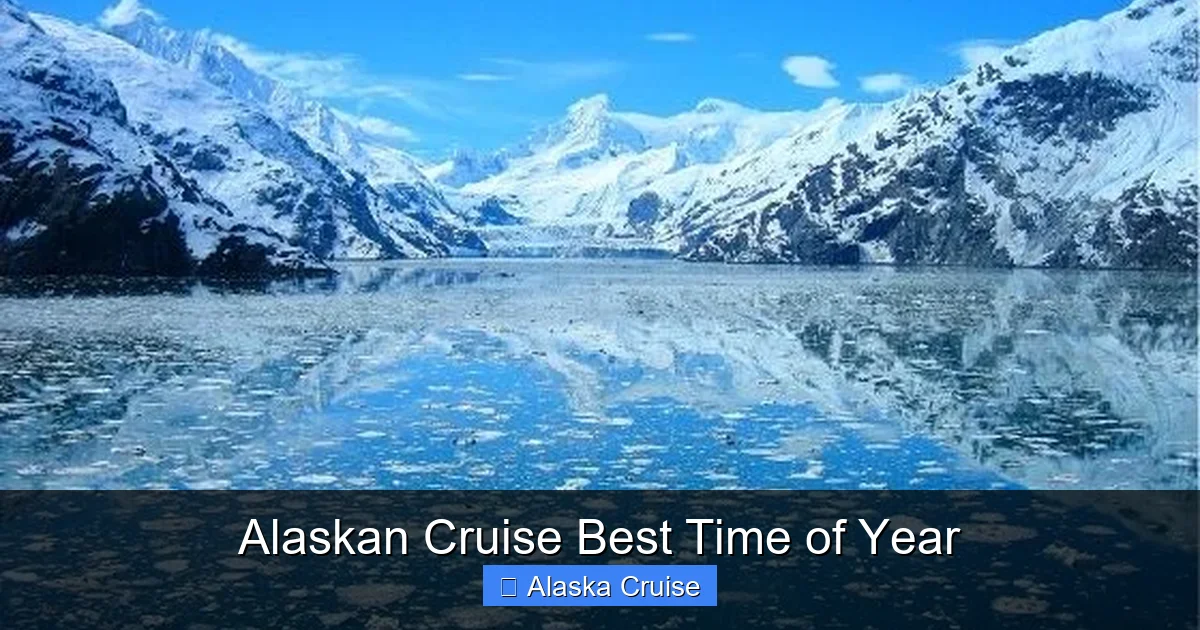
The best time of year for an Alaskan cruise is typically from late May to early September, with peak season in June and July offering the warmest weather and longest daylight hours. However, each month brings unique advantages—whether it’s fewer crowds, lower prices, or prime wildlife viewing—so your ideal timing depends on what you value most in your Alaska experience.
Dreaming of glaciers calving into icy waters, bald eagles soaring above snow-capped peaks, and whales breaching in pristine fjords? An Alaskan cruise is one of the most awe-inspiring travel experiences on Earth—but timing is everything. With its vast wilderness, unpredictable weather, and seasonal wildlife migrations, Alaska rewards careful planning. Whether you’re a first-time cruiser or a seasoned adventurer, knowing the best time of year for an Alaskan cruise can make the difference between a good trip and an unforgettable one.
Alaska’s cruise season is short but spectacular, typically running from May through September. Unlike tropical destinations that welcome visitors year-round, Alaska’s northern climate means cruise lines operate on a tight seasonal window. During these five months, the days grow long, the temperatures rise, and the land bursts into life. But within this window, each month offers a different flavor of adventure. Some travelers prioritize warm weather and full access to ports, while others seek solitude, lower prices, or the chance to witness specific wildlife behaviors. In 2026, with new ships debuting and sustainable tourism initiatives expanding, demand for Alaskan cruises is expected to rise—making timing and early booking more important than ever.
So, when should you go? The answer depends on your priorities. Are you chasing the midnight sun? Hoping to see bears fishing for salmon? Or simply looking for the best value? This guide breaks down the pros and cons of each month, highlights key experiences, and helps you choose the perfect time for your 2026 Alaskan cruise adventure.
Key Takeaways
- Peak Season (June–July): Offers the most stable weather, longest days, and full access to ports and excursions—ideal for first-time cruisers.
- Shoulder Months (May & August): Feature fewer crowds, lower prices, and still-great weather, with excellent chances to see wildlife like bears and whales.
- Early Season (May): Great for budget travelers and those wanting a quieter experience, though some attractions may still be opening.
- Late Season (August–September): Offers stunning fall colors, active wildlife preparing for winter, and discounted cruise fares.
- Wildlife Viewing Windows: Whale watching peaks in July, while bears are most active in August and September near salmon runs.
- Weather Variability: Even in summer, pack layers—Alaska’s weather can shift quickly, especially in coastal regions.
- 2026 Considerations: Book early for popular itineraries; new ships and eco-tours are launching, increasing demand for summer sailings.
📑 Table of Contents
Understanding Alaska’s Cruise Season
Alaska’s cruise season is tightly bound to its subarctic climate. The window from May to September is when the weather is mild enough, the seas are calm enough, and the ports are open enough to support large cruise ships. Outside of this period, many towns shut down, roads become impassable, and wildlife retreats into hibernation or migrates south. That said, even within this five-month span, conditions vary dramatically.
The season typically begins in early May, when the first ships depart from Seattle or Vancouver and head north toward Glacier Bay, Juneau, Skagway, and Ketchikan. By late May, most ports are fully operational, though some inland attractions—like the Denali National Park shuttle buses—may still be opening. June and July are the peak months, with nearly every cruise line offering multiple sailings and nearly all excursions available. August sees a slight dip in crowds but remains a popular time, especially for families wrapping up summer vacations. September marks the tail end of the season, with fewer ships and shorter daylight hours, but also some of the most dramatic scenery as the landscape turns golden.
One key factor to consider is daylight. During the summer solstice in June, Alaska experiences nearly 24 hours of daylight in the far north—what locals call the “midnight sun.” Even in southern ports like Ketchikan, you’ll enjoy 16–18 hours of daylight, giving you ample time to explore. By September, daylight drops to around 12 hours, but the softer light and changing foliage create a magical atmosphere.
Another consideration is sea conditions. The Inside Passage—the protected waterway most cruises follow—is generally calm, but open-water crossings to destinations like Hubbard Glacier can be rougher, especially in early or late season. If you’re prone to motion sickness, mid-season (June–July) often offers the smoothest sailing.
Best Time for Weather and Comfort
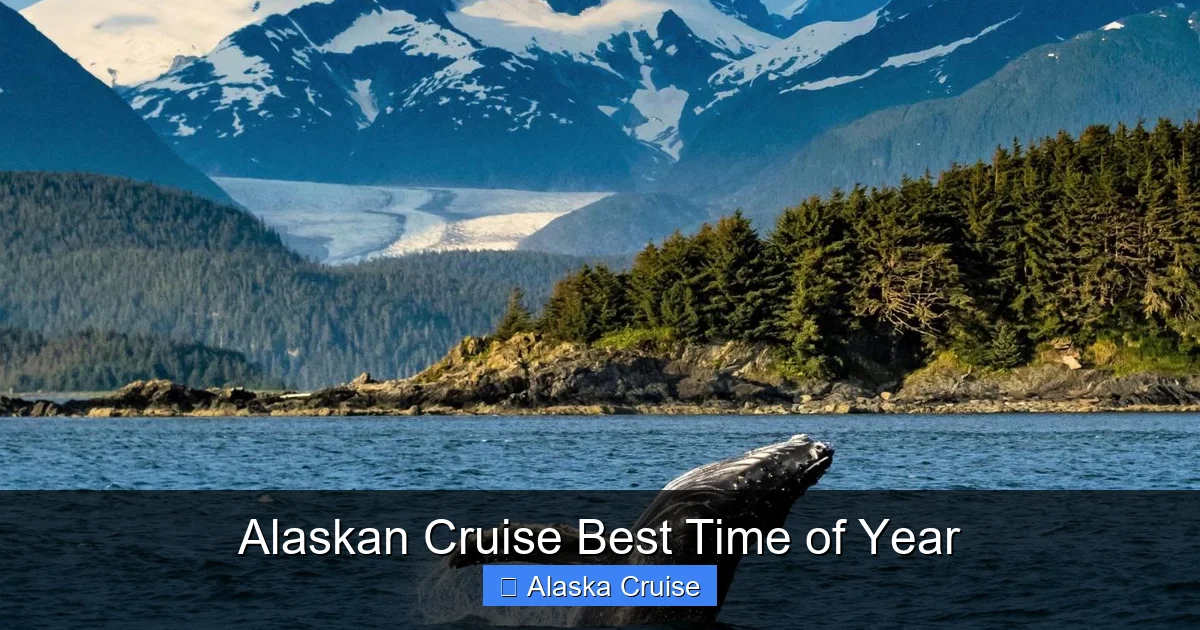
Visual guide about Alaskan Cruise Best Time of Year
Image source: touristsecrets.com
If comfortable weather and reliable conditions are your top priorities, **June and July** are the clear winners for the best time of year for an Alaskan cruise. These months offer the warmest temperatures, longest days, and most predictable weather patterns. Average daytime highs range from 60°F to 70°F (15°C to 21°C) in coastal cities like Juneau and Ketchikan, though it can feel cooler on the water or in shaded areas.
June is especially popular because it combines mild weather with the full bloom of Alaska’s summer flora. Wildflowers carpet the hillsides, waterfalls roar with snowmelt, and the air is fresh and clean. July builds on this with even longer days and slightly warmer temperatures. It’s also the peak of the tourist season, so you’ll find all excursions operating at full capacity—from whale-watching tours to helicopter glacier landings.
That said, “warm” in Alaska is relative. Even in July, you’ll want to pack layers, including a waterproof jacket, fleece, and sturdy walking shoes. Mornings and evenings can be chilly, especially on deck during glacier viewing. And while rain is possible any time of year, July tends to be the driest month in Southeast Alaska.
For travelers who prefer fewer crowds and don’t mind slightly cooler temps, **late May and early August** offer a sweet spot. In May, you’ll catch the tail end of spring, with snow still lingering in higher elevations but coastal areas greening up. August brings similar weather to July but with fewer ships and lower prices. It’s also a great time to see bears, as salmon begin their upstream runs.
Wildlife Viewing: When to See What
One of the biggest draws of an Alaskan cruise is the chance to see wildlife in its natural habitat. But animals don’t follow a cruise schedule—they follow the seasons. Timing your trip to align with key wildlife events can dramatically enhance your experience.
Whale Watching
If spotting humpback whales, orcas, or even gray whales is on your bucket list, **July is the prime month**. Humpbacks arrive in Alaska’s waters in late spring to feed on krill and small fish, and by July, they’re in full feeding mode. Popular spots like Icy Strait Point near Hoonah and Stephens Passage near Juneau are hotspots for whale sightings. Many cruise lines offer dedicated whale-watching excursions, and naturalist guides often report multiple sightings per trip.
Orcas (killer whales) are also commonly seen in July, especially in the waters around Ketchikan and the Inside Passage. Gray whales, on the other hand, are more common in spring (May) as they migrate north from Mexico, and again in fall (September) as they head south.
Bear Viewing
For bear enthusiasts, **August and September** are the best months. As salmon return to rivers to spawn, brown bears and black bears gather along streams and estuaries to feast. Places like Pack Creek on Admiralty Island (near Juneau) and the Anan Creek Wildlife Observatory (near Wrangell) offer guided bear-viewing tours. These experiences are often accessible via small boat or floatplane excursions from cruise ports.
In August, bears are actively fishing and putting on weight for winter. By September, they’re even more active, and the surrounding foliage begins to turn, creating a stunning backdrop. Keep in mind that bear viewing is weather-dependent and may be canceled due to rain or low visibility, so booking a tour with a reputable operator is essential.
Other Wildlife
Moose, bald eagles, sea otters, and puffins are visible throughout the season, but their activity levels vary. Eagles are abundant year-round, but they’re especially active in spring and summer when feeding young. Sea otters are commonly seen in kelp forests near Ketchikan and Sitka. Puffins nest on coastal cliffs from May to August, with July offering the best chance to see them with chicks.
Crowds, Prices, and Availability
Alaska’s cruise season is a classic case of supply and demand. The most popular months—**June, July, and early August**—come with the highest prices and largest crowds. If you’re looking to save money or avoid packed decks and long lines at ports, consider the shoulder months.
Peak Season (June–July)
This is when most families travel, thanks to school breaks. As a result, ships are often at full capacity, and popular excursions—like the Mendenhall Glacier hike or the White Pass Railroad in Skagway—can sell out weeks in advance. Prices for both cruises and add-ons are at their highest. However, the upside is full access to all ports, tours, and amenities. If you’re traveling with kids or want the full “Alaska experience,” this is the time to go—just book early.
Shoulder Months (May & August)
May and August offer a balance of good weather, lower prices, and fewer crowds. In May, you’ll find cruise fares up to 20–30% lower than peak season, and many ships are only half-full. Some travelers worry about “what’s open,” but by mid-May, most major attractions are operational. August sees a similar drop in prices, especially after the first week, when families return home.
One advantage of traveling in May is the sense of discovery—you’re among the first to experience Alaska’s summer awakening. In August, you’ll enjoy the benefits of peak season weather without the peak season crowds.
Late Season (September)
September is the quietest month, with only a handful of ships still sailing. Fares are significantly reduced, sometimes by 40% or more. However, daylight is shorter, and some excursions may be limited or closed. That said, September offers unique rewards: fall colors, active wildlife, and a more intimate cruising experience. If you’re flexible and don’t mind cooler temps, it’s a fantastic time to go.
2026 Trends and What to Expect
Looking ahead to 2026, the Alaskan cruise market is evolving. Several major cruise lines—including Norwegian Cruise Line, Royal Caribbean, and Holland America—are introducing new ships with enhanced eco-friendly features and expanded itineraries. These vessels are designed to minimize environmental impact while offering more immersive Alaskan experiences, such as closer glacier approaches and onboard naturalists.
Sustainability is also becoming a bigger focus. In 2026, expect more cruises to offer carbon-offset programs, reduced single-use plastics, and partnerships with local Indigenous communities for cultural tours. Some lines are even launching “slow travel” options—longer stays in ports with overnight docking—to reduce emissions and deepen guest engagement.
Another trend is the rise of small-ship and expedition-style cruises. These vessels, often carrying fewer than 200 passengers, can access remote fjords and wildlife areas that larger ships can’t reach. While more expensive, they offer a more personalized and adventurous experience. For 2026, companies like UnCruise Adventures and Lindblad Expeditions are expanding their Alaska offerings, particularly in September, when wildlife is most active.
Booking early will be crucial in 2026. With increased demand and limited ship capacity, popular itineraries—especially those visiting Glacier Bay National Park, which has strict daily limits—are expected to sell out quickly. Travelers who book 12–18 months in advance will have the best selection of cabins, departure dates, and excursion options.
Packing Tips and Practical Advice
No matter when you go, packing smart is key to enjoying your Alaskan cruise. The weather can change in minutes, and layers are your best friend.
Start with a **waterproof and windproof outer shell**—essential for deck time and shore excursions. Underneath, wear a moisture-wicking base layer, a warm mid-layer like fleece, and a lightweight down jacket for cooler evenings. Don’t forget a hat, gloves, and a scarf, even in summer.
Footwear matters. Bring **sturdy, waterproof walking shoes** with good grip—many excursions involve uneven terrain, wet docks, or muddy trails. Flip-flops won’t cut it.
For wildlife viewing, pack **binoculars** and a camera with a zoom lens. Many cruise ships offer loaner binoculars, but having your own ensures you don’t miss a moment.
Other essentials include:
– Sunscreen and sunglasses (yes, even in Alaska—the sun reflects off snow and water)
– Motion sickness remedies (ginger chews, patches, or medication)
– Reusable water bottle and daypack for excursions
– Power adapter and portable charger (outlets may be limited in cabins)
Finally, check your cruise line’s dress code. Most Alaskan cruises are casual, but some dinner venues may require smart-casual attire. Pack one nicer outfit just in case.
Choosing the Right Itinerary
Not all Alaskan cruises are created equal. Itineraries vary by cruise line, ship size, and departure port. Most depart from Seattle, Vancouver, or Seward (for round-trip Gulf of Alaska cruises).
**Inside Passage cruises** (Seattle or Vancouver round-trip) are the most popular, visiting ports like Ketchikan, Juneau, Skagway, and Glacier Bay. These are ideal for first-timers and families.
**Gulf of Alaska cruises** (one-way between Vancouver and Seward/Whittier) offer a deeper dive, often including Hubbard Glacier, Icy Strait Point, and even a stop in Anchorage. These are great for travelers who want to combine cruising with land tours in Denali or Fairbanks.
**Expedition cruises** focus on wildlife and remote wilderness, with longer stops and smaller ships. These are best for adventurous travelers willing to trade luxury for intimacy and access.
When choosing an itinerary, consider:
– How many glacier views you want (Hubbard, Mendenhall, and Glacier Bay are the big three)
– Whether you prefer cultural experiences (Tlingit heritage in Ketchikan) or outdoor adventures (hiking, kayaking)
– If you want to extend your trip with a land tour (many cruise lines offer pre- or post-cruise packages)
Conclusion
So, what’s the best time of year for an Alaskan cruise? The short answer: **it depends on you**. If you want warm weather, full access to ports, and the classic Alaska experience, **June and July** are ideal. If you prefer fewer crowds, lower prices, and great wildlife viewing, **May, August, or September** might be your sweet spot.
In 2026, with new ships, sustainable practices, and growing interest in immersive travel, an Alaskan cruise promises to be more rewarding than ever. Whether you’re marveling at a calving glacier, spotting a bear along a riverbank, or sipping coffee under the midnight sun, the magic of Alaska is timeless.
Start planning early, pack wisely, and choose an itinerary that matches your travel style. No matter when you go, an Alaskan cruise will leave you with memories that last a lifetime.
Frequently Asked Questions
What is the best month for an Alaskan cruise?
The best month depends on your priorities. June and July offer the warmest weather and longest days, making them ideal for first-time cruisers. May and August provide fewer crowds and lower prices, while September offers stunning fall colors and active wildlife.
Is it cold on an Alaskan cruise?
Temperatures vary, but even in summer, it can feel cool, especially on the water or in the evenings. Daytime highs typically range from 50°F to 70°F (10°C to 21°C). Layering is essential—bring a waterproof jacket, fleece, and warm accessories.
Can you see whales on an Alaskan cruise?
Yes! Whale watching is a highlight, especially in July when humpback and orca activity peaks. Popular spots include Icy Strait Point and Stephens Passage. Many cruises include naturalist-led excursions with high sighting success rates.
Are Alaskan cruises expensive?
Prices vary by season and cruise line. Peak season (June–July) is the most expensive, while May and September offer significant discounts. Booking early and choosing a shoulder month can help you save 20–40%.
Do I need a passport for an Alaskan cruise?
It depends on your itinerary. Closed-loop cruises (departing and returning to the same U.S. port, like Seattle) do not require a passport for U.S. citizens. However, if your cruise stops in Canada (e.g., Vancouver), a passport is recommended.
What should I pack for an Alaskan cruise?
Pack layers, including a waterproof jacket, fleece, warm hat, gloves, and sturdy waterproof shoes. Don’t forget sunscreen, sunglasses, binoculars, and a daypack for excursions. Motion sickness remedies are also wise to bring.