Alaska’s most breathtaking cruise ports offer a mix of wild beauty, rich culture, and unforgettable adventures. From glacier views in Juneau to totem poles in Ketchikan, the Alaskan cruise best ports deliver experiences you’ll cherish forever.
Dreaming of icy fjords, towering glaciers, and rugged coastlines? An Alaskan cruise in 2026 is your ticket to one of the world’s last true wilderness frontiers. With over 40 ports along the Inside Passage and Gulf of Alaska, choosing the best stops can feel overwhelming. But don’t worry—we’ve got you covered. Whether you’re a first-time cruiser or a seasoned traveler, knowing the Alaskan cruise best ports will help you plan a voyage filled with awe, adventure, and authentic Alaskan charm.
Alaska isn’t just a destination—it’s an experience. From the moment your ship glides past snow-capped peaks and into misty inlets, you’ll feel like you’ve stepped into a living postcard. The state’s dramatic landscapes are matched only by its rich cultural history and abundant wildlife. Every port tells a story, whether it’s the echoes of the Gold Rush in Skagway or the quiet majesty of a calving glacier in Glacier Bay. And with cruise lines like Holland America, Princess, and Norwegian offering expanded 2026 itineraries, there’s never been a better time to explore.
So, which ports should top your list? We’ve handpicked the Alaskan cruise best ports based on scenery, activities, cultural significance, and traveler reviews. These stops aren’t just scenic—they’re transformative. Whether you’re kayaking beside icebergs, learning about Tlingit traditions, or spotting humpback whales from the deck, each port offers something unforgettable. Let’s dive in and discover what makes these destinations so special.
Key Takeaways
- Juneau is Alaska’s only non-drivable capital city, accessible only by air or sea—making it a unique and scenic port.
- Ketchikan, known as the “Salmon Capital of the World,” offers rich Indigenous culture and lush rainforest hikes.
- Skagway brings Gold Rush history to life with restored buildings and the iconic White Pass & Yukon Route Railway.
- Glacier Bay National Park provides jaw-dropping glacier views and abundant marine wildlife like whales and sea lions.
- Sitka blends Russian heritage with Alaskan wilderness, featuring historic churches and eagle sightings.
- Hubbard Glacier, one of the largest tidewater glaciers, is a must-see natural wonder on many cruise itineraries.
- Booking shore excursions in advance ensures access to popular tours and maximizes your time in each port.
📑 Table of Contents
Juneau: The Capital of Adventure
Tucked between the Gastineau Channel and the towering peaks of the Coast Mountains, Juneau is Alaska’s capital city—and one of the most unique ports on any cruise itinerary. Unlike every other state capital in the U.S., Juneau is not accessible by road. You can only reach it by plane or boat, which adds to its remote, untamed charm. This isolation has preserved its natural beauty and small-town feel, making it a favorite among travelers seeking authenticity.
Top Attractions in Juneau
One of the biggest draws in Juneau is the Mendenhall Glacier, a 13-mile-long river of ice that’s receded over 2 miles in the last century—yet still remains a powerful symbol of Alaska’s changing landscape. The Mendenhall Glacier Visitor Center offers educational exhibits, viewing platforms, and hiking trails that range from easy walks to more challenging treks. Don’t miss the Nugget Falls trail, which leads to a stunning waterfall cascading down a rocky cliff just a short distance from the glacier’s edge.
For wildlife lovers, Juneau is a hotspot. The nearby Juneau Icefield and Tongass National Forest are home to black bears, bald eagles, and Sitka black-tailed deer. Many cruisers take a whale-watching tour from the harbor, where humpback whales, orcas, and sea lions are commonly spotted. Companies like Harv and Marcy’s Whale Adventures offer small-group excursions that get you close to the action—safely and responsibly.
Cultural Highlights and Local Flavor
Juneau also offers a rich cultural scene. The Alaska State Museum features exhibits on Indigenous art, Russian colonial history, and the Gold Rush era. Nearby, the Last Chance Mining Museum gives visitors a glimpse into the city’s mining past, with artifacts and restored tunnels from the late 1800s. For a taste of local life, stroll through downtown Juneau and stop at the Red Dog Saloon, a lively bar with live music and a fun, rustic vibe.
Foodies will love Juneau’s fresh seafood scene. Try the king crab legs at The Hangar on the Wharf or sample local salmon at The Rookery Café. Many restaurants source their ingredients directly from Alaskan waters, ensuring peak freshness and flavor.
Tips for Visiting Juneau
– Book whale-watching or glacier tours in advance—they fill up fast, especially in peak season (June to August).
– Wear layers and waterproof gear. Juneau is rainy, with an average of 50+ inches of precipitation per year.
– Allow at least 6–8 hours in port to explore comfortably.
– Consider a helicopter tour to see the glacier and surrounding mountains from above—it’s a once-in-a-lifetime experience.
Ketchikan: The Gateway to the Tongass
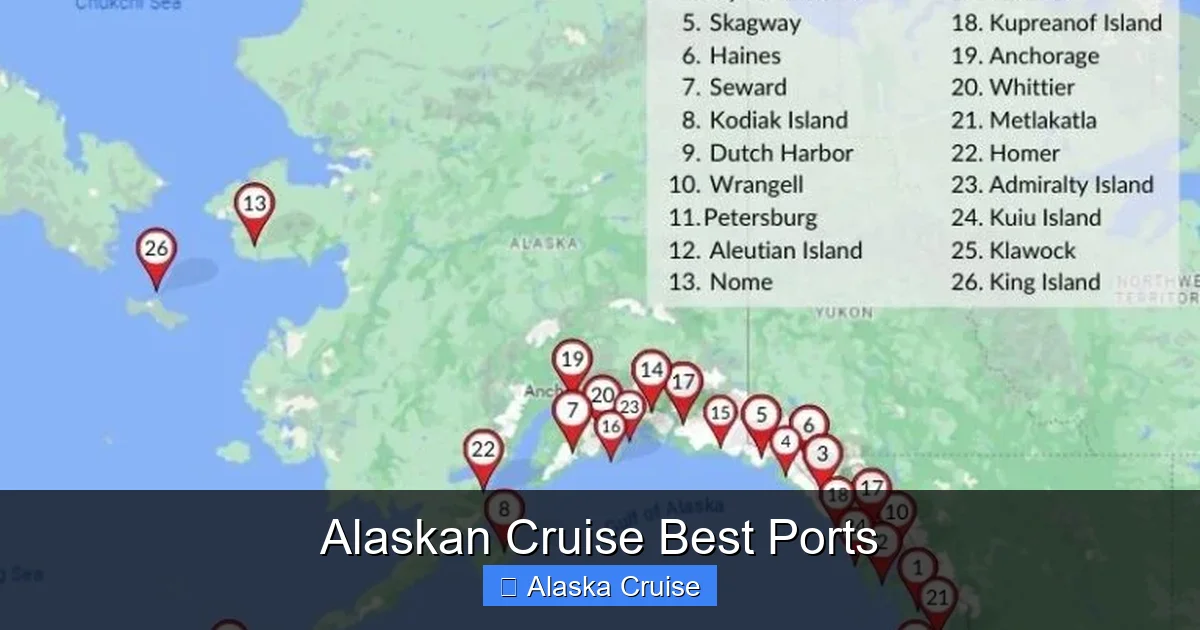
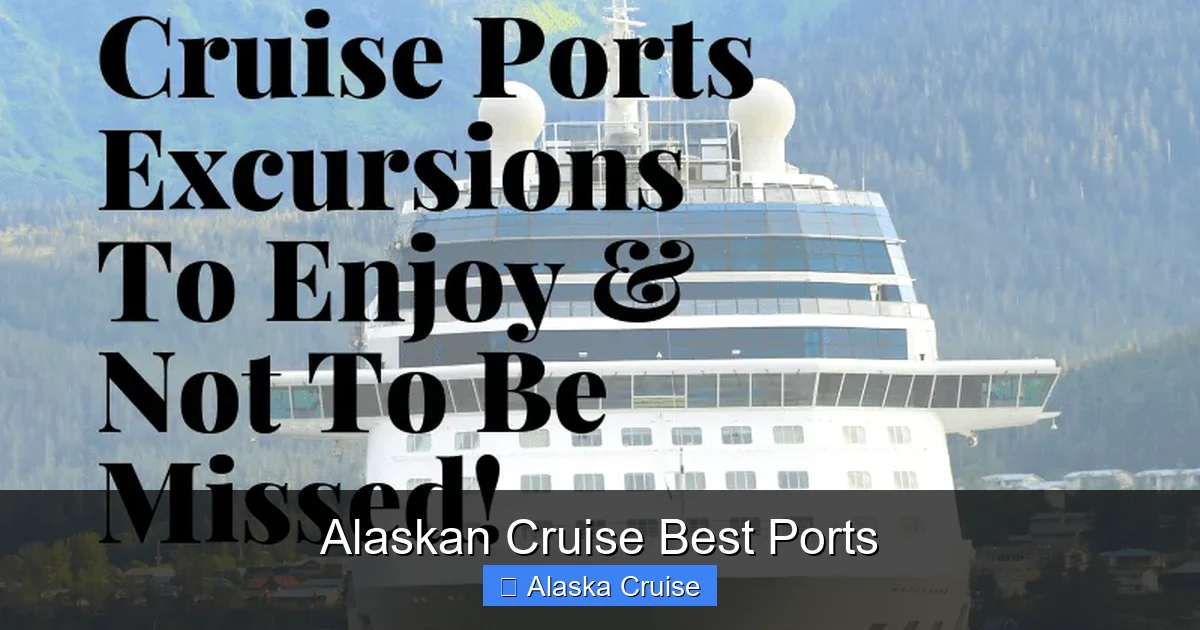
Visual guide about Alaskan Cruise Best Ports
Image source: cruisemummy.co.uk
Known as the “Salmon Capital of the World,” Ketchikan is a vibrant port nestled in the heart of the Tongass National Forest—the largest national forest in the United States. With its colorful waterfront buildings, cascading waterfalls, and lush rainforest canopy, Ketchikan feels like something out of a storybook. It’s also one of the most culturally rich ports on the Alaskan cruise circuit, offering deep connections to the Indigenous Tlingit, Haida, and Tsimshian peoples.
Indigenous Culture and Totem Poles
One of Ketchikan’s most iconic attractions is the Totem Heritage Center, which houses one of the largest collections of unrestored 19th-century totem poles in the world. These towering wooden carvings tell stories of clan lineage, spiritual beliefs, and historical events. Nearby, the Saxman Native Village offers live cultural demonstrations, including traditional dancing, carving, and storytelling. Visitors can also take a guided tour of the village’s totem park, where new poles are still being created by master carvers.
For a more immersive experience, consider a visit to the Potlatch Park, where you can watch artisans at work and even try your hand at carving or beadwork. Many cruise lines offer cultural excursions that include a traditional salmon bake—complete with storytelling and music—giving you a true taste of Native Alaskan hospitality.
Outdoor Adventures in the Rainforest
Ketchikan is surrounded by pristine wilderness, making it a paradise for outdoor enthusiasts. The Deer Mountain Trail is a popular hiking route that climbs 1,000 feet through old-growth forest to a panoramic viewpoint overlooking the city and the Tongass Narrows. The trail is well-maintained and suitable for most fitness levels, though it can be muddy after rain.
For a more unique experience, take a guided kayak tour through the Misty Fjords National Monument. This 2.3-million-acre wilderness area features dramatic cliffs, waterfalls, and hidden coves. Many tours include a stop at a remote beach for a picnic or wildlife spotting. You might see harbor seals, bald eagles, or even black bears along the shoreline.
Seafood and Local Eats
No visit to Ketchikan is complete without trying fresh Alaskan seafood. The city’s fishing fleet brings in daily catches of salmon, halibut, and Dungeness crab. Head to George Inlet Lodge for a classic fish fry or try the halibut tacos at The Landing Restaurant. For something sweet, stop by the Ketchikan Cookie Company for homemade treats made with local ingredients.
Tips for Visiting Ketchikan
– Bring rain gear—Ketchikan is one of the rainiest cities in the U.S., with over 160 rainy days per year.
– Wear sturdy shoes for hiking and exploring.
– Respect cultural sites and follow guidelines when visiting Indigenous villages.
– Shop for authentic Native art at local galleries—avoid mass-produced souvenirs.
Skagway: A Step Back in Time
Stepping into Skagway is like traveling back to the late 1800s. This historic port town was once the bustling gateway to the Klondike Gold Rush, drawing thousands of prospectors hoping to strike it rich. Today, Skagway preserves that legacy with restored buildings, wooden boardwalks, and a lively downtown that feels frozen in time.
The White Pass & Yukon Route Railway
One of the most popular excursions in Skagway is the White Pass & Yukon Route Railway, often called the “Gateway to the Klondike.” This narrow-gauge railroad climbs 2,865 feet in just 20 miles, winding through steep cliffs, tunnels, and breathtaking mountain scenery. The journey takes about 3 hours round-trip and offers panoramic views of the surrounding wilderness.
Built during the Gold Rush, the railway was a lifeline for miners heading to the Yukon. Today, it’s a National Historic Landmark and one of the most scenic train rides in North America. Many tours include a stop at the summit, where you can learn about the engineering feats required to build the line in such rugged terrain.
Gold Rush History and Museums
Skagway is packed with history. The Klondike Gold Rush National Historical Park includes several preserved buildings, including the Arctic Brotherhood Hall—famous for its driftwood facade. The park’s visitor center features exhibits on the Gold Rush era, including artifacts, photographs, and interactive displays.
Don’t miss the Red Onion Saloon, a restored brothel turned museum that offers guided tours and live entertainment. It’s a cheeky but educational look at life in a Gold Rush town. For a quieter experience, visit the Gold Rush Cemetery, where many early settlers are buried.
Adventure Activities
Beyond history, Skagway offers plenty of outdoor fun. Hike the Chilkoot Trail, the same route used by gold seekers in the 1890s. Or take a dog sledding tour with a local musher—many companies offer summer experiences with wheeled sleds on glacier ice.
For a unique perspective, try a zipline tour through the forest canopy or a flightseeing trip over the surrounding mountains. These activities give you a bird’s-eye view of Skagway’s dramatic landscape.
Tips for Visiting Skagway
– Book the White Pass Railway in advance—it’s one of the most popular excursions.
– Wear comfortable walking shoes for exploring the historic district.
– Visit in the morning to avoid crowds.
– Try the sourdough pancakes at the Skagway Bread Company—they’re a local favorite.
Glacier Bay National Park: A Natural Wonder
Glacier Bay National Park is one of the crown jewels of the Alaskan cruise experience. This UNESCO World Heritage Site spans over 3.3 million acres and is home to some of the most active glaciers in North America. Unlike other ports, Glacier Bay is not a town—it’s a protected wilderness area where ships slow down to allow passengers to witness the raw power of nature.
Witnessing Glacier Calving
One of the most thrilling moments on any Alaskan cruise is watching a glacier calve—when massive chunks of ice break off and crash into the water. In Glacier Bay, you’ll likely see this phenomenon at Margerie Glacier or Grand Pacific Glacier. The sound is thunderous, and the resulting waves can rock the ship. It’s a humbling reminder of the Earth’s ever-changing landscape.
National Park Service rangers often come aboard during the visit to provide commentary and answer questions. They’ll point out wildlife, explain glacial science, and share stories of the park’s history. Their insights add depth to the experience and help you appreciate the fragility of this ecosystem.
Wildlife Spotting
Glacier Bay is teeming with marine life. Humpback whales, orcas, sea lions, and harbor seals are commonly seen. On the shore, you might spot brown bears foraging for clams or mountain goats climbing steep cliffs. Bald eagles soar overhead, and otters play in the icy waters.
Many cruisers bring binoculars to get a closer look, but even from the deck, the views are spectacular. The park’s pristine waters and dramatic scenery make it a photographer’s dream.
Tips for Visiting Glacier Bay
– Dress warmly—temperatures can be chilly even in summer.
– Bring binoculars for wildlife viewing.
– Stay on the deck during the park visit—this is one of the highlights of the cruise.
– Respect the park’s rules: no disembarking, no loud noises, and stay on designated areas.
Sitka: Where Russia Meets the Wild
Sitka offers a fascinating blend of Russian heritage and Alaskan wilderness. Once the capital of Russian America, this port city is rich in history, culture, and natural beauty. With its onion-domed churches, lush forests, and abundant wildlife, Sitka feels like a world apart.
Russian History and St. Michael’s Cathedral
The heart of Sitka’s Russian past is St. Michael’s Cathedral, a stunning Orthodox church with golden domes and intricate iconography. Though the original building burned down in 1966, it was faithfully reconstructed and remains a symbol of the city’s cultural roots. The adjacent Russian Bishop’s House offers a glimpse into 19th-century life, with period furnishings and historical exhibits.
Wildlife and Nature
Sitka is a haven for wildlife. The Alaska Raptor Center rehabilitates injured birds of prey, including bald eagles and owls. Visitors can watch live feedings and learn about conservation efforts. Nearby, the Sitka National Historical Park features totem poles and a scenic coastal trail with views of the Pacific Ocean.
Tips for Visiting Sitka
– Visit the Raptor Center early in the day for the best viewing.
– Try the local seafood—Sitka is known for its fresh halibut and salmon.
– Allow time to explore the downtown area and local shops.
Hubbard Glacier: The Ice Giant
Hubbard Glacier is one of the largest tidewater glaciers in North America, stretching over 70 miles long and rising up to 300 feet above the water. Ships often spend several hours cruising near the glacier, giving passengers ample time to take photos and marvel at its scale.
What to Expect
The glacier is constantly moving, and calving events are common. The sound of ice cracking and falling into the water is unforgettable. Wildlife such as seals and seabirds are often seen nearby.
Tips for Viewing
– Stay on the open decks for the best views.
– Bring a camera with a zoom lens.
– Dress in layers—it can be cold near the glacier.
Conclusion
The Alaskan cruise best ports offer a perfect mix of adventure, history, and natural wonder. From the cultural richness of Ketchikan to the icy grandeur of Hubbard Glacier, each stop tells a unique story. Planning ahead, dressing appropriately, and booking excursions early will help you make the most of your 2026 voyage. Whether you’re a nature lover, history buff, or simply seeking awe-inspiring views, Alaska’s ports will leave you with memories to last a lifetime.
Frequently Asked Questions
What are the best Alaskan cruise ports for wildlife viewing?
Juneau, Ketchikan, and Glacier Bay are top choices for wildlife. You can spot whales, bears, eagles, and sea lions in these areas. Whale-watching tours in Juneau and bear-viewing excursions in Ketchikan are especially popular.
Is it possible to visit all the major ports on one cruise?
Yes, many 7- to 10-day itineraries include Juneau, Ketchikan, Skagway, Glacier Bay, and Hubbard Glacier. Princess and Holland America offer comprehensive routes that cover the Alaskan cruise best ports.
What should I pack for an Alaskan cruise in 2026?
Pack layers, waterproof jackets, sturdy shoes, binoculars, and a good camera. Even in summer, temperatures can vary widely, and rain is common in ports like Ketchikan and Juneau.
Are shore excursions worth booking in advance?
Absolutely. Popular tours like the White Pass Railway and whale-watching trips sell out quickly. Booking in advance ensures you get your top choices and often saves money.
Can I explore the ports on my own, or do I need a guided tour?
You can explore independently in ports like Juneau and Ketchikan, which have walkable downtowns. However, guided tours are recommended for remote areas like Glacier Bay or cultural sites in Sitka.
What time of year is best for an Alaskan cruise?
Late May to early September is ideal. Summer offers the best weather, longest daylight hours, and peak wildlife activity. July and August are busiest, so book early for 2026 sailings.