
Planning an Alaska Inside Passage cruise in 2026? The best time to go is between late May and early September. This window offers the warmest weather, longest days, and peak wildlife activity—making it ideal for sightseeing, hiking, and glacier viewing. Whether you’re chasing humpback whales or exploring charming coastal towns, timing your trip right ensures the most unforgettable experience.
Dreaming of cruising through misty fjords, watching glaciers calve into icy waters, and spotting orcas breaching under the midnight sun? An Alaska Inside Passage cruise is one of the most breathtaking ways to experience the Last Frontier. But to make the most of your journey, timing is everything. With its rugged coastline, abundant wildlife, and dramatic landscapes, the Inside Passage is a natural wonder—but it’s also highly seasonal. So, when is the Alaska Inside Passage cruise best time to go in 2026?
The short answer? Late May through early September. This six-month window is when the region truly comes alive. During these months, the weather is milder, the days are long, and the wildlife is active. But within that range, each month offers a slightly different experience. Whether you’re looking for peak wildlife sightings, fewer crowds, or the best chance to see glaciers in action, choosing the right time can elevate your cruise from great to unforgettable.
In this guide, we’ll break down the pros and cons of each month, highlight the best times for specific activities, and help you plan your 2026 Alaska Inside Passage cruise with confidence. From wildlife enthusiasts to photography buffs and families seeking adventure, there’s an ideal time for everyone. Let’s dive in and find yours.
Key Takeaways
- Best overall time: Mid-June to mid-August offers the warmest weather, calm seas, and full access to ports and excursions.
- Wildlife viewing peaks: July and August are prime months for spotting whales, bears, and puffins along the Inside Passage.
- Shoulder season advantages: Late May and early September offer fewer crowds, lower prices, and still-decent weather.
- Daylight hours matter: In summer, you’ll enjoy up to 18 hours of daylight—perfect for maximizing your cruise experience.
- Glacier calming season: July and August provide the best chances to see glaciers calving into the sea.
- Weather variability: Even in peak season, pack layers—Alaska’s weather can change quickly.
- 2026 cruise availability: Book early, especially for July and August sailings, as demand is high and cabins fill fast.
📑 Table of Contents
Understanding the Alaska Inside Passage Season
The Alaska Inside Passage stretches over 1,000 miles along the Pacific coast, from Puget Sound in Washington State up through British Columbia and into southeastern Alaska. This protected waterway is dotted with lush rainforests, snow-capped mountains, and over 1,000 islands. It’s home to vibrant coastal towns like Juneau, Ketchikan, and Skagway, as well as world-famous natural attractions like Glacier Bay National Park and Tracy Arm Fjord.
Because of its northern latitude and maritime climate, the Inside Passage has a relatively short tourist season. The cruise season typically runs from **mid-May to mid-September**, with the majority of ships operating between **June and August**. Outside of this window, many ports close, excursions are limited, and weather conditions become less predictable.
The seasonality is driven by several factors: temperature, daylight, wildlife behavior, and operational logistics. For example, most cruise lines begin their Alaska routes in May as ice melts and ports reopen. By September, daylight hours shorten, temperatures drop, and some communities begin preparing for winter.
So, while you *can* cruise in May or September, the experience will differ significantly from a July voyage. Understanding these seasonal shifts is key to choosing the Alaska Inside Passage cruise best time for your travel style and interests.
What Defines the “Best” Time?
When we talk about the “best” time to cruise the Inside Passage, we’re really talking about balance. The ideal window maximizes favorable weather, wildlife activity, and accessibility while minimizing crowds and costs. For most travelers, that sweet spot falls between **mid-June and mid-August**.
During these months, average daytime temperatures range from **55°F to 70°F (13°C to 21°C)**, making it comfortable for outdoor activities like hiking, kayaking, and whale watching. Rainfall is moderate, and the seas are generally calm—important for those prone to motion sickness.
But “best” is also subjective. If you prefer quieter ports and don’t mind cooler temps, late May or early September might be perfect. If you’re chasing the Northern Lights (which are rarely visible in summer), you’d need to go much later—but that’s outside the cruise season. For 2026, most travelers will find the summer months offer the most reliable and rewarding experience.
Month-by-Month Breakdown: 2026 Alaska Inside Passage Cruise Calendar
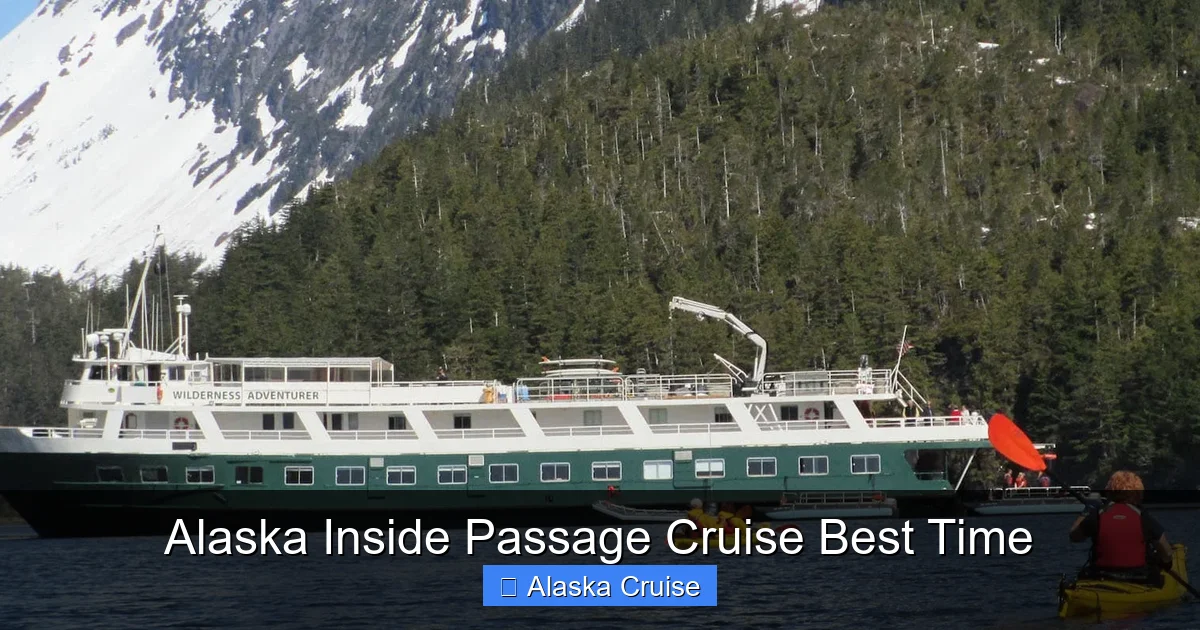
Visual guide about Alaska Inside Passage Cruise Best Time
Image source: dsvsbigncb06y.cloudfront.net
To help you decide, let’s look at each month of the cruise season and what you can expect in 2026.
May: The Quiet Start
May marks the beginning of the Alaska cruise season. By late May, most major ports are open, and the first ships begin sailing the Inside Passage. This is a great time for travelers who want to avoid crowds and enjoy lower prices.
Temperatures in May average between **45°F and 60°F (7°C to 16°C)**. While it’s cooler than summer, the weather is generally stable, and rainfall is lower than in peak months. Daylight increases rapidly—by the end of May, you’ll enjoy nearly 17 hours of daylight.
Wildlife is starting to become active. Bears emerge from hibernation, and migratory birds return. Whale sightings are possible, though not as frequent as in summer. One highlight of May is the blooming of wildflowers and the greening of the landscape after winter.
Ports like Ketchikan and Juneau are quieter, and you’ll have more space to explore without the summer rush. However, some excursions—like glacier hikes or bear viewing tours—may have limited availability or require advance booking.
If you’re flexible and don’t mind packing a few extra layers, May offers a peaceful and scenic start to the season.
June: Spring Turns to Summer
June is when the Inside Passage truly wakes up. By mid-June, the cruise season is in full swing, and the region is lush and vibrant. This is one of the most popular months to cruise, and for good reason.
Temperatures climb to **50°F to 65°F (10°C to 18°C)**, and daylight stretches to nearly 18 hours by the solstice. The long days mean more time for sightseeing, photography, and shore excursions.
Wildlife activity increases dramatically. Humpback whales, orcas, and sea lions are frequently spotted. Bald eagles soar overhead, and brown bears can be seen fishing for salmon in rivers near towns like Ketchikan and Haines.
Glaciers are accessible, and calving events—where massive chunks of ice break off into the water—are more common due to warmer temperatures. Popular destinations like Glacier Bay and Tracy Arm are at their most dramatic.
June also brings more cruise options, with major lines like Holland America, Princess, and Norwegian offering multiple itineraries. However, this popularity means cabins fill quickly, so booking early is essential for 2026.
July: Peak Season Magic
July is the heart of the Alaska cruise season—and often considered the Alaska Inside Passage cruise best time for many travelers. The weather is at its warmest, the wildlife is most active, and the scenery is stunning.
Daytime temperatures average **55°F to 70°F (13°C to 21°C)**, with occasional warmer days inland. Rainfall is moderate, and the seas are typically calm, making for smooth sailing.
This is prime time for whale watching. Humpbacks are abundant, often seen breaching or bubble-net feeding. Orcas patrol the waters, and porpoises play in the ship’s wake. On land, brown bears are frequently spotted along riverbanks, especially in areas like Pack Creek on Admiralty Island.
Glacier calving is frequent in July, particularly in Glacier Bay and the fjords near Juneau. The combination of warm weather and long daylight hours makes it ideal for outdoor adventures—think kayaking among icebergs, hiking in Tongass National Forest, or taking a helicopter tour over Mendenhall Glacier.
Ports are bustling, and shore excursions are in full operation. However, July is also the busiest month, so expect larger crowds at popular stops. Booking excursions in advance is highly recommended.
August: Summer’s Grand Finale
August continues the summer magic, with warm weather and abundant wildlife. While slightly cooler than July, temperatures still range from **50°F to 68°F (10°C to 20°C)**, and daylight remains generous—around 16 hours by month’s end.
This is a fantastic time for bear viewing. As salmon runs peak in rivers like the Chilkat and Stikine, brown bears gather in large numbers to feed. Tours to bear viewing platforms are especially rewarding in early to mid-August.
Whale activity remains strong, and humpbacks are often seen feeding in groups. Sea otters, sea lions, and puffins are also commonly spotted along the coast.
Glaciers are still active, and calving events can be spectacular. The scenery is lush and green, with wildflowers in bloom and waterfalls flowing from melting snow.
August is also a great time for families, as school is still out and many cruise lines offer kid-friendly programs. However, like July, it’s a peak month, so early booking is crucial for 2026.
September: The Quiet Goodbye
September marks the end of the cruise season. By mid-September, most ships have concluded their Alaska voyages, and the region begins to quiet down.
Temperatures drop to **45°F to 60°F (7°C to 16°C)**, and daylight shortens to about 13 hours by month’s end. Rainfall increases, and the first hints of autumn color appear in the foliage.
Despite the cooler weather, September has its charms. Wildlife is still active—bears are fattening up for hibernation, and whales can still be seen migrating south. The crowds have thinned, giving you a more intimate experience in ports like Skagway and Wrangell.
Some excursions may be limited or operate on reduced schedules, but many popular tours—like glacier cruises and wildlife boat trips—are still available. Prices are often lower, and you may find last-minute deals.
If you’re looking for a peaceful, reflective cruise with fewer tourists and a chance to see Alaska in transition, early September can be a wonderful choice.
Wildlife Viewing: When to See What
One of the biggest draws of an Alaska Inside Passage cruise is the incredible wildlife. From majestic whales to playful sea otters and powerful brown bears, the region is a haven for animal lovers. But timing your trip right can make all the difference in what you see.
Whales: July and August Are Prime
Humpback whales are the stars of the Inside Passage. These acrobatic giants migrate north in spring and stay through summer to feed on krill and small fish. **July and August** offer the highest chances of sightings, especially in areas like Frederick Sound and Stephens Passage.
Orcas (killer whales) are also common, particularly in July. Resident pods frequent the waters near Juneau and Ketchikan, while transient orcas hunt marine mammals along the coast.
For the best whale-watching experience, choose a cruise that includes a dedicated whale-watching excursion or a naturalist-led boat tour. Many ships also have onboard experts who announce sightings over the PA system.
Bears: Late Summer for Salmon Runs
Brown bears (also called grizzlies) are a highlight for many travelers. The best time to see them is during the **salmon runs in July and August**. As salmon swim upstream to spawn, bears gather along rivers and streams to feed.
Popular bear-viewing destinations include:
– **Pack Creek** on Admiralty Island (near Juneau)
– **Anan Creek** near Wrangell
– **Chilkat River** near Haines
Guided tours typically involve a boat ride to a viewing platform, where you can observe bears from a safe distance. These excursions are highly regulated to protect both bears and visitors.
Sea Otters, Puffins, and More
Sea otters are common year-round, often seen floating on their backs in kelp beds. They’re playful and photogenic, making them a favorite among cruisers.
Tufted puffins and horned puffins return to coastal cliffs in **May and June** to nest. Look for them on remote islands like Forrester Island or during excursions to St. Lazaria Island near Sitka.
Bald eagles are abundant throughout the season, with over 30,000 in the region. They’re often spotted perched in tall trees or soaring above the water.
Weather and Packing Tips for 2026
Alaska’s weather is famously unpredictable—even in summer. While the Inside Passage is relatively sheltered, conditions can change quickly. Being prepared is key to enjoying your cruise.
What to Expect in 2026
Based on historical patterns and climate trends, 2026 is expected to follow a typical seasonal progression. Summer months will likely see mild temperatures, moderate rainfall, and calm seas. However, occasional rain showers and cool breezes are common—even on sunny days.
The region averages **12 to 20 inches of rain per month** during the cruise season, with August being the wettest. Fog can occur, especially in early morning, but usually burns off by midday.
Packing Essentials
To stay comfortable, pack in layers:
– **Base layer:** Moisture-wicking shirt and pants
– **Mid layer:** Fleece or lightweight down jacket
– **Outer layer:** Waterproof and windproof jacket and pants
– **Footwear:** Waterproof hiking boots and comfortable walking shoes
– **Accessories:** Hat, gloves, sunglasses, and a warm scarf
Don’t forget:
– Binoculars for wildlife spotting
– Waterproof camera or phone case
– Reusable water bottle
– Motion sickness remedies (just in case)
Even in July, evenings can be cool, so a warm jacket is a must. And remember—rain is part of the Alaskan experience. Embrace it with the right gear.
Choosing the Right Cruise Line and Itinerary
With so many options, selecting the right cruise can be overwhelming. In 2026, major lines like **Princess Cruises**, **Holland America**, **Norwegian Cruise Line**, and **Royal Caribbean** will offer a range of Inside Passage itineraries.
Itinerary Length and Route
Most cruises last **7 to 10 days**, with departures from Seattle, Vancouver, or round-trip from ports like San Francisco. Classic routes include:
– **Seattle to Vancouver** (or vice versa), visiting Ketchikan, Juneau, Skagway, and Glacier Bay
– **Round-trip from Vancouver**, with stops in Wrangell, Haines, and Tracy Arm
Longer cruises (10+ days) may include additional stops in British Columbia or extend into the Gulf of Alaska.
Ship Size Matters
Smaller ships (under 1,000 passengers) can access narrower channels and offer more intimate experiences. Larger ships provide more amenities but may have limited access to certain fjords.
For the best wildlife and scenery views, consider a ship with a high number of exterior cabins and open decks.
Onboard Experience
Look for cruises with naturalists or marine biologists on board. These experts enhance the experience with lectures, guided wildlife spotting, and educational programs.
Dining options, entertainment, and family activities vary by line. If you’re traveling with kids, check for youth programs and kid-friendly excursions.
Conclusion: Make 2026 Your Best Alaska Cruise Yet
An Alaska Inside Passage cruise is a journey of a lifetime—one that combines stunning natural beauty, incredible wildlife, and rich cultural history. And when you choose the right time to go, the experience becomes even more magical.
For most travelers in 2026, the **Alaska Inside Passage cruise best time** is between **mid-June and mid-August**. This period offers the warmest weather, longest days, and peak wildlife activity. Whether you’re marveling at a calving glacier, spotting a humpback whale, or hiking through a temperate rainforest, summer delivers the full Alaskan adventure.
That said, shoulder months like late May and early September have their own charm—fewer crowds, lower prices, and a more peaceful atmosphere. If you’re flexible and prepared for variable weather, these times can be equally rewarding.
No matter when you go, planning ahead is essential. Popular sailings fill quickly, especially for July and August. Book your 2026 cruise early, choose an itinerary that matches your interests, and pack smart.
So set your sights on the fjords, the whales, and the wild beauty of the Inside Passage. With the right timing, your Alaska cruise will be nothing short of extraordinary.
Frequently Asked Questions
What is the best month for an Alaska Inside Passage cruise?
The best month is typically July, offering warm weather, long daylight hours, and peak wildlife activity. August is also excellent, with strong whale and bear sightings.
Can you see whales on an Alaska cruise in May?
Yes, but sightings are less frequent than in summer. Humpback whales begin arriving in May, but July and August offer the highest chances of close encounters.
Is September too cold for an Alaska cruise?
September is cooler, with temperatures around 45°F to 60°F, but it’s still comfortable with proper layers. It’s a great time for fewer crowds and lower prices.
Do I need to book excursions in advance?
Yes, especially for popular tours like bear viewing, glacier hikes, and whale watching. These fill quickly during peak season, so book early for 2026.
What should I wear on an Alaska cruise?
Pack in layers: a waterproof jacket, fleece, warm base layers, and sturdy footwear. Even in summer, evenings can be chilly and rain is common.
Are there cruise options for families in 2026?
Absolutely. Many cruise lines offer family-friendly programs, kid’s clubs, and shore excursions designed for all ages. July and August are ideal for family travel.