
Alaska cruises offer some of the most breathtaking glacier experiences on Earth, with towering ice walls, calving events, and pristine wilderness views—all visible from the deck of your ship. From the massive Hubbard Glacier to the accessible Mendenhall, 2026 promises unforgettable icy adventures along Alaska’s rugged coastline.
Imagine standing on the deck of a cruise ship, the crisp Alaskan air filling your lungs, as a wall of ice taller than a skyscraper looms ahead. The silence is broken only by the distant crack of ice splitting from a glacier’s face—then a thunderous splash as it crashes into the sea. This is the magic of an Alaska cruise in 2026: a front-row seat to nature’s most powerful and beautiful forces.
Alaska’s coastline is lined with over 100,000 glaciers, but only a handful are accessible by ship and offer the kind of awe-inspiring views that define a once-in-a-lifetime voyage. Whether you’re a first-time cruiser or a seasoned traveler, seeing these icy giants up close is an experience that stays with you long after the journey ends. From the towering Hubbard Glacier to the serene beauty of Tracy Arm’s twin glaciers, each stop reveals a new facet of Alaska’s glacial wonderland.
In this guide, we’ll explore the best glaciers to see by ship on an Alaska cruise in 2026, based on visibility, accessibility, wildlife activity, and overall scenic impact. We’ll also share practical tips to help you make the most of your glacial encounters—whether you’re snapping photos, listening to expert rangers, or simply soaking in the majesty of these ancient ice formations.
Key Takeaways
- Hubbard Glacier is the largest tidewater glacier in North America, stretching over 7 miles wide and rising 300 feet above water—ideal for dramatic ship-viewing experiences.
- Mendenhall Glacier near Juneau is easily accessible and offers both cruise ship views and onshore hiking trails for a dual perspective.
- Glacier Bay National Park is a UNESCO World Heritage Site where ships glide past active glaciers like Margerie and Lamplugh in a protected, wildlife-rich environment.
- Tidewater glaciers like Dawes and Sawyer calve frequently, creating thunderous splashes and icebergs that enhance the sensory experience.
- Best viewing months are June through August when weather is milder, daylight is long, and glacier activity peaks due to seasonal melt.
- Choose cruise lines that partner with National Park Rangers for expert commentary and eco-conscious navigation through sensitive glacial zones.
- Bring binoculars and a zoom lens to capture close-up details of ice formations, seals, and seabirds that thrive near glacial fronts.
📑 Table of Contents
Why Glaciers Are a Must-See on Alaska Cruises
Glaciers are more than just frozen rivers—they’re living, breathing parts of Alaska’s ecosystem. Formed over thousands of years from compacted snow, these massive ice structures carve through mountains, shape coastlines, and feed cold, nutrient-rich waters that support salmon, seals, and whales. On a cruise, you’re not just witnessing ice; you’re experiencing a dynamic natural process that has shaped the region for millennia.
One of the biggest draws of Alaska cruises is the ability to see glaciers from the water, where their full scale becomes apparent. From the deck of a ship, you can appreciate the sheer height of a glacier’s face, the deep blue crevasses, and the way sunlight reflects off the ice in dazzling patterns. Unlike land-based tours, cruises allow you to approach glaciers slowly and safely, often pausing for extended viewing—giving you time to truly absorb the scene.
Moreover, 2026 is shaping up to be an exceptional year for glacier viewing. Warmer spring temperatures have increased meltwater flow, leading to more active calving events—those dramatic moments when chunks of ice break off and crash into the sea. While climate change poses long-term challenges to glacier health, it also means more visible activity in the short term, making this an ideal time to witness these natural spectacles.
Top Glaciers to See by Ship in 2026
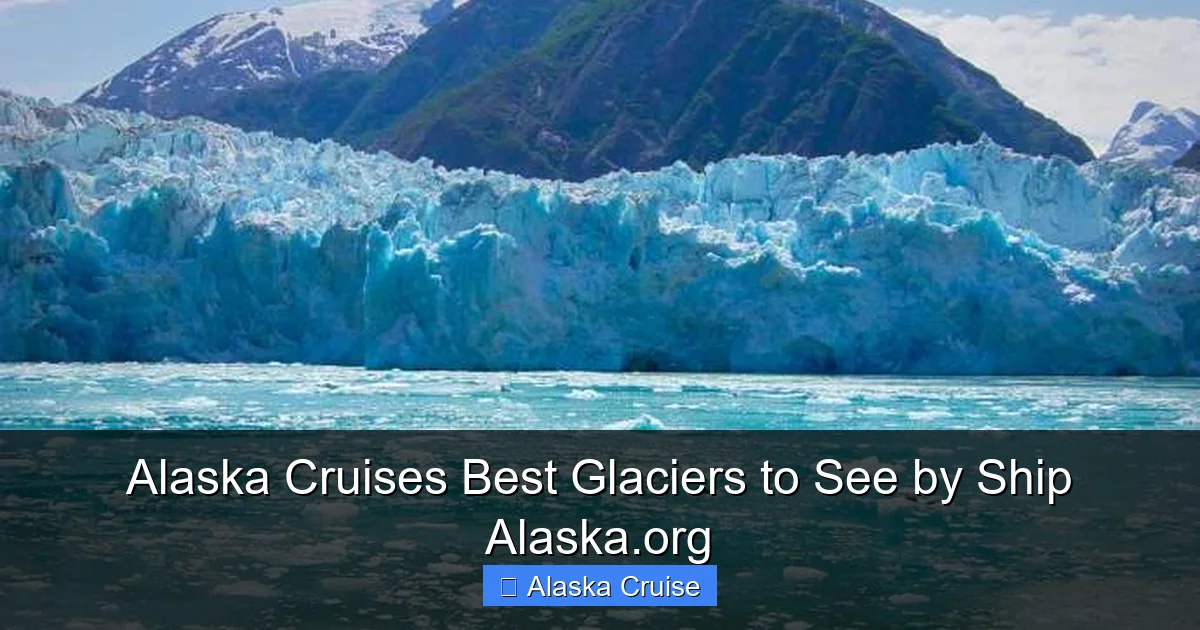
Visual guide about Alaska Cruises Best Glaciers to See by Ship Alaska.org
Image source: uploads.alaska.org
When planning your Alaska cruise, knowing which glaciers offer the best ship-based views can make all the difference. Here are the top glaciers you won’t want to miss in 2026, each offering unique characteristics and unforgettable moments.
Hubbard Glacier: The Giant of Disenchantment Bay
Stretching over 7 miles wide and rising up to 300 feet above the waterline, Hubbard Glacier is the largest tidewater glacier in North America. Located in Disenchantment Bay near Yakutat, it’s a highlight on many cruise itineraries heading north or south along the Gulf of Alaska.
What makes Hubbard so special is its sheer size and power. Ships often slow to a crawl as they approach, allowing passengers to witness calving events up close. In 2026, Hubbard is expected to remain highly active, with frequent icefalls and towering icebergs dotting the bay. The glacier’s deep blue hues—caused by dense, compressed ice—create a stunning contrast against the green waters and surrounding mountains.
Pro tip: Book a cabin on the starboard (right) side of the ship if you’re traveling northbound, as this is typically the side that faces the glacier during approach. Bring a warm jacket—even in summer, the air near Hubbard can be chilly due to the ice’s cold breath.
Mendenhall Glacier: Juneau’s Iconic Ice Wonder
Just 12 miles from downtown Juneau, Mendenhall Glacier is one of the most accessible glaciers in Alaska—and one of the most popular stops on cruise itineraries. While ships don’t sail directly up to the glacier’s face, they anchor nearby, offering panoramic views from the water and shuttle access for onshore exploration.
Mendenhall spans over 13 miles and terminates in Mendenhall Lake, where icebergs float like scattered jewels. From your ship, you’ll see the glacier’s broad, flat terminus and the surrounding Tongass National Forest. But the real magic happens when you take a short boat or bus ride to the Mendenhall Glacier Visitor Center, where hiking trails lead to viewpoints just a few hundred feet from the ice.
In 2026, the U.S. Forest Service continues to enhance visitor experiences with updated trails, educational exhibits, and ranger-led talks. For cruise passengers, this means a seamless blend of ship-based viewing and land exploration—perfect for capturing both wide-angle and close-up shots of the glacier.
Glacier Bay National Park: A UNESCO Treasure
No list of Alaska’s best glaciers is complete without Glacier Bay National Park. This UNESCO World Heritage Site is home to over a dozen active glaciers, including the famous Margerie and Lamplugh Glaciers. Most major cruise lines, including Holland America and Princess, include Glacier Bay on their itineraries, often with a National Park Ranger onboard to provide expert commentary.
Margerie Glacier is particularly dramatic, with a near-vertical face that frequently calves into the bay. Ships enter slowly, often stopping within a mile of the glacier, allowing passengers to hear the deep groans of shifting ice and see seals basking on nearby ice floes. Lamplugh Glacier, just to the east, offers a different experience—its lower profile and lush surroundings make it feel more intimate, yet no less impressive.
One of the best aspects of visiting Glacier Bay in 2026 is the park’s commitment to sustainable tourism. Ships follow strict speed limits and routing guidelines to minimize environmental impact, ensuring that future generations can enjoy these wonders. Plus, the park’s rangers share fascinating insights about glacier science, wildlife, and indigenous history, enriching the experience beyond just sightseeing.
Dawes Glacier: The Star of Endicott Arm
Tucked away in the remote Endicott Arm fjord, Dawes Glacier is a hidden gem that rewards those who venture off the beaten path. This glacier is a favorite among photographers and nature lovers for its dramatic setting—surrounded by towering cliffs and cascading waterfalls fed by glacial melt.
Dawes Glacier is a tidewater glacier, meaning it flows directly into the sea. Its face rises about 200 feet above water, and calving events are common, especially in the warmer months. Ships that navigate Endicott Arm often pause for 30–60 minutes, giving passengers time to watch for icefalls and listen to the echoing cracks of the glacier.
Wildlife is abundant here, too. Keep an eye out for harbor seals lounging on icebergs, bald eagles perched on rocky outcrops, and even the occasional black bear foraging along the shoreline. In 2026, several smaller cruise lines—like UnCruise Adventures and Alaskan Dream Cruises—are offering extended Endicott Arm itineraries, allowing for more time to explore this pristine fjord.
Sawyer Glaciers: Twin Wonders of Tracy Arm
Tracy Arm is one of Alaska’s most stunning fjords, and at its head lie the twin Sawyer Glaciers—North Sawyer and South Sawyer. These glaciers are narrower and more jagged than some of their larger cousins, but their setting is unmatched: surrounded by 3,000-foot granite walls and dotted with waterfalls that seem to appear out of nowhere.
Ships that enter Tracy Arm often go all the way to the glacier face, sometimes getting within a few hundred yards. The experience is intimate and immersive, with the sound of dripping water, cracking ice, and distant bird calls creating a natural symphony. In 2026, cruise lines are emphasizing slow, respectful navigation through Tracy Arm, allowing passengers to fully absorb the beauty without rushing.
One unique feature of the Sawyer Glaciers is their blue ice. When sunlight hits the dense, compressed ice at certain angles, it creates a mesmerizing azure glow—especially striking in the early morning or late afternoon. For the best photos, aim for a northbound cruise in July, when the light is soft and the glaciers are most active.
Best Time to See Glaciers on an Alaska Cruise
Timing is everything when it comes to glacier viewing. While Alaska cruises run from May to September, the best months for seeing glaciers in 2026 are June, July, and August. Here’s why:
June: The Start of Peak Season
June marks the beginning of the high season, with longer daylight hours (up to 19 hours of sun in some areas) and milder weather. Glaciers are beginning to calve more actively as spring melt accelerates, and wildlife is abundant. Crowds are smaller than in July, making it a great time for a more relaxed experience.
July: The Height of Glacier Activity
July is the peak month for glacier viewing. Temperatures are warmest, and calving events are most frequent due to increased meltwater. This is also the best time to see marine wildlife, including humpback whales feeding in glacial bays. However, July is also the busiest month, so book early and expect more fellow passengers.
August: A Balance of Activity and Comfort
August offers a sweet spot between activity and comfort. Glaciers are still highly active, but the weather is more stable, and crowds begin to thin. You’ll still have long days and good visibility, plus the added bonus of fall colors starting to appear in the lower elevations.
Tips for Maximizing Your Glacier Experience
Seeing a glacier from a ship is unforgettable, but a few smart choices can make the experience even better. Here are some practical tips for 2026 cruisers:
Choose the Right Cruise Line and Itinerary
Not all cruises are created equal when it comes to glacier viewing. Look for lines that spend significant time in glacier-rich areas like Glacier Bay, Hubbard Glacier, and Tracy Arm. Holland America, Princess, and Celebrity are known for their scenic routes and expert ranger programs. Smaller ships, like those from UnCruise or Lindblad Expeditions, offer more intimate experiences and greater flexibility to linger near glaciers.
Pack the Right Gear
Even in summer, Alaska can be chilly—especially near glaciers. Bring layers, a waterproof jacket, and warm gloves. Don’t forget binoculars for spotting wildlife and a camera with a good zoom lens. A polarizing filter can help reduce glare off the water and ice, enhancing your photos.
Be Patient and Present
Glaciers don’t follow a schedule. Calving events can happen at any time, and the best views often come when you least expect them. Instead of rushing from one spot to another, take time to sit on the deck, listen to the sounds, and simply absorb the moment. Many passengers report that the most memorable part of their cruise was a quiet hour watching ice slowly shift in the sun.
Listen to the Rangers
If your cruise includes a National Park Ranger, pay attention. These experts share fascinating insights about glacier formation, climate impacts, and local wildlife. Their commentary can turn a beautiful view into a deeply educational experience.
Environmental Considerations and Responsible Viewing
As stunning as Alaska’s glaciers are, they’re also vulnerable. Climate change is causing many glaciers to retreat at an alarming rate. In 2026, travelers have a responsibility to view these natural wonders respectfully and sustainably.
Choose cruise lines that follow eco-friendly practices, such as low-emission engines, waste reduction programs, and partnerships with conservation groups. Avoid throwing anything overboard, and never attempt to touch or climb on icebergs—they can be unstable and dangerous.
Support local efforts to protect glacial ecosystems by visiting visitor centers, attending ranger talks, and learning about indigenous perspectives on land and ice. By being mindful travelers, we can help ensure that Alaska’s glaciers remain awe-inspiring for generations to come.
Conclusion
An Alaska cruise in 2026 offers a rare opportunity to witness some of the world’s most magnificent glaciers up close—from the towering Hubbard to the serene Sawyer twins. Whether you’re marveling at a calving event in Glacier Bay or hiking near Mendenhall Glacier, these icy giants promise moments of wonder, reflection, and pure natural beauty.
By choosing the right itinerary, packing wisely, and traveling responsibly, you can make the most of your glacial adventure. So grab your camera, bundle up, and get ready to sail into one of Earth’s last great wild places. The glaciers are waiting.
Frequently Asked Questions
What is the best month to see glaciers on an Alaska cruise?
The best months are June through August, when weather is mild, daylight is long, and glacier calving activity peaks. July offers the most active icefalls, while August provides a balance of good conditions and fewer crowds.
Can you get close to glaciers on a cruise ship?
Yes, many cruise ships slow down or stop within a mile of glaciers like Hubbard, Margerie, and Dawes. While you won’t touch the ice, the views are incredibly close and immersive, especially in fjords like Tracy Arm and Endicott Arm.
Do all Alaska cruises visit glaciers?
Most major cruise lines include at least one glacier stop, such as Hubbard, Mendenhall, or Glacier Bay. However, itineraries vary, so check your cruise route to ensure it includes glacier-rich areas.
Are glaciers shrinking? Should I be concerned?
Yes, many Alaskan glaciers are retreating due to climate change. While this makes 2026 a great time to see active calving, it also highlights the importance of responsible travel and supporting conservation efforts.
What should I bring to see glaciers on a cruise?
Bring warm, waterproof clothing, binoculars, a camera with a zoom lens, and a polarizing filter. Layers are key, as temperatures near glaciers can drop significantly even in summer.
Can I hike on a glacier during a cruise?
Some cruise lines offer optional excursions, like helicopter landings or guided hikes near Mendenhall Glacier. However, you cannot hike directly on most tidewater glaciers due to safety and environmental regulations.