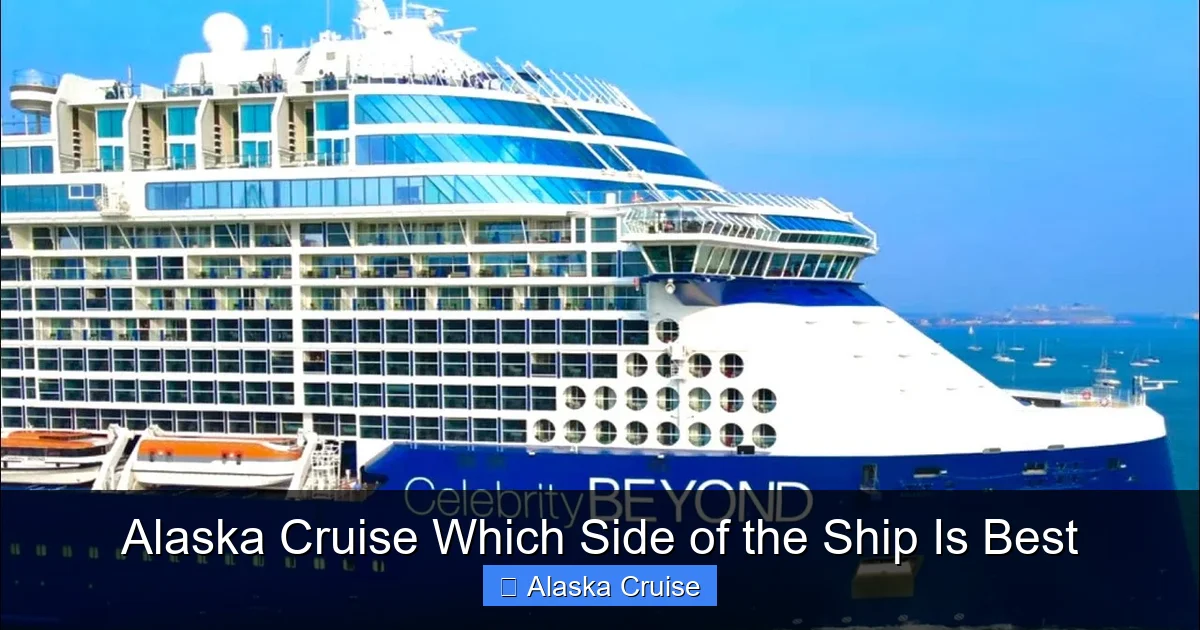
Choosing the best side of the ship on an Alaska cruise can dramatically enhance your experience. While there’s no one-size-fits-all answer, understanding route patterns, weather, wildlife, and personal preferences helps you pick the ideal side for breathtaking views and unforgettable moments.
Planning an Alaska cruise in 2026? You’re in for a treat. From towering glaciers and snow-capped peaks to breaching whales and curious bears, Alaska delivers some of the most dramatic scenery on Earth. But here’s a question many first-time cruisers forget to ask: *Which side of the ship is best?*
It might seem like a small detail, but choosing the right side—port (left) or starboard (right)—can make a big difference in your experience. Imagine sipping your morning coffee with a front-row seat to a calving glacier, or watching a pod of orcas glide past your balcony while the sun sets behind the mountains. That’s the kind of moment that turns a great trip into a lifelong memory.
The truth is, there’s no single “best” side for every cruise. It depends on your itinerary, the time of year, the direction the ship is sailing, and even the weather. But with a little planning and insider knowledge, you can dramatically increase your chances of being on the right side at the right time. In this guide, we’ll break down everything you need to know to make the smartest choice for your 2026 Alaska adventure.
Key Takeaways
- Port vs. Starboard matters: The direction your ship sails (port or starboard) affects which side offers the best views of glaciers, mountains, and wildlife.
- Itinerary dictates scenery: Northbound and southbound routes have different scenic highlights, so knowing your cruise path is key.
- Sun position impacts comfort: Morning sun favors one side, afternoon the other—choose based on your preference for warmth or shade.
- Wildlife spotting varies by side: Certain animals like whales and bears are more commonly seen on specific sides depending on the route.
- Cabin location affects noise and motion: Midship cabins are steadier, while forward or aft cabins may offer better views but more movement.
- Weather plays a role: Prevailing winds and rain patterns in Alaska can make one side more comfortable than the other.
- Flexibility is your friend: Even if you pick a side, you can often move around the ship to enjoy views from both sides during scenic cruising.
📑 Table of Contents
- Understanding Port vs. Starboard: The Basics
- Northbound vs. Southbound: Which Side Wins?
- Scenic Cruising Hotspots: Where the Magic Happens
- Weather, Sun, and Comfort: Practical Considerations
- Wildlife Viewing: Which Side Gets the Best Sightings?
- Tips for Choosing the Best Side in 2026
- Final Thoughts: There’s No Wrong Choice
Understanding Port vs. Starboard: The Basics
Before we dive into specifics, let’s clarify the basics. On a ship, “port” refers to the left side when facing the front (bow), and “starboard” is the right side. These terms are used universally in maritime navigation and are essential for understanding which side of the ship you’ll be on during key scenic moments.
Why does this matter? Because most Alaska cruises follow a set route—either northbound (Seattle or Vancouver to Seward or Whittier) or southbound (the reverse). The direction of travel determines which side of the ship faces the coastline, mountains, and wildlife hotspots. For example, on a northbound cruise from Vancouver to Seward, the ship typically sails along the eastern side of the Inside Passage, meaning the port side often faces the mainland and offers better views of coastal towns, forests, and mountains.
But it’s not always that simple. Some ships may take slightly different paths, and weather or sea conditions can influence the captain’s decisions. Plus, many cruises include scenic cruising days in places like Glacier Bay or Tracy Arm Fjord, where the ship may turn multiple times, giving both sides a chance to shine.
How to Determine Your Ship’s Route
To figure out which side might be best, start by reviewing your cruise itinerary. Most major lines—like Holland America, Princess, Norwegian, and Royal Caribbean—publish detailed route maps online. Look for the direction of travel and note whether the ship stays closer to the mainland or the open water.
For instance, a southbound cruise from Seward to Vancouver often hugs the western shore of the Inside Passage, putting the starboard side in prime position for views of the Tongass National Forest and coastal communities like Ketchikan. Meanwhile, a northbound journey might favor the port side for views of the Coast Mountains and Juneau.
Pro tip: Check the ship’s daily newsletter or app once onboard. Many lines publish the next day’s route and highlight which side will have the best views. Some even announce “scenic cruising” times and recommend where to stand.
Northbound vs. Southbound: Which Side Wins?
One of the biggest factors in choosing the best side is whether your cruise is northbound or southbound. These two directions offer different scenic experiences, and knowing the difference can help you pick your cabin wisely.
Northbound Cruises: Port Side Advantage
If you’re sailing northbound—say, from Seattle or Vancouver to Seward or Whittier—the port side often offers the most stunning views. That’s because the ship typically follows the eastern shoreline of the Inside Passage, passing close to the mainland. This means you’ll have unobstructed views of lush rainforests, snow-dusted peaks, and charming coastal towns like Juneau and Skagway.
On days when the ship enters Glacier Bay National Park, the port side is usually the best bet for glacier viewing. The bay opens to the west, so as the ship sails northward, the port side faces the towering ice walls of glaciers like Margerie and Johns Hopkins. This is prime real estate for photographers and nature lovers.
Southbound Cruises: Starboard Side Shine
Conversely, southbound cruises—from Seward or Whittier back to Vancouver or Seattle—often favor the starboard side. As the ship heads south, it tends to stay closer to the western edge of the passage, offering starboard passengers sweeping views of the Pacific Ocean, offshore islands, and the rugged coastline of British Columbia.
In places like Tracy Arm Fjord, where the ship navigates narrow, winding channels, the starboard side may get the closest look at waterfalls, icebergs, and wildlife. Bears foraging along the shore, eagles perched in tall trees, and seals lounging on ice floes are often spotted from this side.
Exceptions and Variations
Keep in mind that not all ships follow the exact same path. Some may take a more central route, while others might swing closer to one shore depending on tides, weather, or wildlife activity. Additionally, ships often turn around in scenic areas, giving both sides a chance to enjoy the views. So even if you pick the “wrong” side, you’re likely to get a good look at the highlights—just maybe not for as long.
Scenic Cruising Hotspots: Where the Magic Happens
Alaska’s most breathtaking moments often happen during scenic cruising days—when the ship slows down or stops entirely to let passengers soak in the natural wonders. These are the times when choosing the right side really pays off.
Glacier Bay National Park
Glacier Bay is a must-see on any Alaska cruise, and it’s one of the best places to test your side-selection strategy. The park is vast, with over a dozen active glaciers, and the ship typically spends 6–8 hours cruising through it.
Most ships enter the bay from the south and sail northward, hugging the western shore. This means the port side usually faces the glaciers, especially the famous Margerie and Lamplugh Glaciers. If you’re on the port side, you’ll have a front-row seat to the thunderous calving of ice into the bay—a truly unforgettable sight.
However, the ship often turns around near the northern end of the bay, which means the starboard side gets a great view on the return trip. So if you’re flexible, you can enjoy the best of both worlds.
Tracy Arm and Endicott Fjord
These narrow, fjord-like inlets are known for their dramatic cliffs, cascading waterfalls, and towering icebergs. Ships usually enter from the south and sail northward, with the starboard side often facing the most impressive scenery.
In Tracy Arm, the Sawyer Glaciers are best viewed from the starboard side as the ship approaches. The towering blue ice walls rise hundreds of feet above the water, and the silence of the fjord makes the experience even more magical.
Endicott Fjord, while less visited, offers equally stunning views. Here, the starboard side typically provides the closest look at the Davidson Glacier and surrounding wildlife.
College Fjord
Located near Whittier, College Fjord is famous for its collection of named glaciers, many of which were studied by Ivy League colleges in the early 20th century. The ship usually sails eastward into the fjord, with the port side offering the best views of glaciers like Harvard, Yale, and Smith.
This is a shorter scenic stop, but the concentration of glaciers in one area makes it a highlight for many passengers.
Weather, Sun, and Comfort: Practical Considerations
While scenery is the main draw, comfort matters too. Alaska’s weather can be unpredictable, and the position of the sun can affect your experience—especially if you’re spending hours on deck.
Sun Position and Lighting
In summer (Alaska’s cruise season runs from May to September), the sun rises in the northeast and sets in the northwest. This means the morning sun shines on the starboard side of northbound ships and the port side of southbound ships. If you love waking up with warm sunlight streaming into your cabin, this is something to consider.
Afternoon sun, on the other hand, favors the opposite side. So if you prefer shade during the hottest part of the day—especially on deck—you might want to choose the side that’s in shadow.
Photographers should also think about lighting. Golden hour (just after sunrise and before sunset) offers the best natural light for photos. If you’re on the side facing the sun during these times, you’ll get warm, glowing shots of glaciers and mountains.
Wind and Rain
Alaska is known for its rain, especially in the southern regions like Ketchikan and Juneau. Prevailing winds often come from the west, which means the starboard side of southbound ships (and port side of northbound ships) may be more exposed to wind and spray.
If you’re prone to motion sickness or dislike getting wet, choosing the leeward (sheltered) side can make a big difference. This is usually the side facing the mainland, as the land blocks some of the wind and waves.
Cabin Location and Motion
Beyond port vs. starboard, the location of your cabin on the ship also affects comfort. Midship cabins (in the center of the ship) experience less motion than those at the front (bow) or back (stern). If you’re sensitive to seasickness, a midship cabin on a lower deck is your best bet.
That said, forward and aft cabins often offer better views—especially if you have a balcony. Forward cabins face the direction of travel, giving you a panoramic view of the route ahead. Aft cabins look out over the ship’s wake, which can be great for spotting wildlife following the ship.
Wildlife Viewing: Which Side Gets the Best Sightings?
One of the biggest draws of an Alaska cruise is the chance to see wildlife in its natural habitat. From humpback whales and orcas to brown bears and bald eagles, the opportunities are endless. But did you know that certain animals are more commonly spotted on one side of the ship?
Whales and Marine Life
Whales tend to follow the coastline, especially in areas with abundant food like krill and small fish. On northbound cruises, humpback whales are often seen on the port side, near the mainland. Orcas, on the other hand, are more commonly spotted in open water, so they may appear on either side depending on the ship’s path.
Dolphins and porpoises often ride the ship’s bow wave, so forward-facing cabins or the bow itself are great spots to watch them play.
Bears and Land Animals
Brown bears and black bears are frequently seen along the shoreline, especially in areas like Admiralty Island and the Tongass National Forest. On southbound cruises, these bears are often spotted on the starboard side, where the ship passes close to dense forests and river mouths.
Moose, though less common, can sometimes be seen near freshwater inlets. Eagles are everywhere, but they’re most visible when perched in tall trees along the coast—usually on the side facing the mainland.
Seals, Sea Lions, and Otters
These marine mammals love to lounge on ice floes and rocky outcrops. In Glacier Bay and Tracy Arm, seals are often seen on the port side during northbound cruises, while sea lions are more common in the open waters near Ketchikan and Prince Rupert.
Sea otters, with their playful antics, can appear anywhere—but they’re often spotted in kelp beds near the shoreline, so the side facing the coast is your best bet.
Tips for Choosing the Best Side in 2026
Now that you know the factors to consider, here are some practical tips to help you choose the best side for your 2026 Alaska cruise.
Book Early for Cabin Selection
The earlier you book, the more cabin options you’ll have. If you have a strong preference for port or starboard, don’t wait—popular cabins sell out fast, especially on ships with limited balcony space.
Use Cruise Line Tools
Most cruise lines offer online deck plans that let you see exactly where each cabin is located. Use these tools to compare port and starboard options and read reviews from past passengers.
Ask the Crew
Once onboard, don’t hesitate to ask the crew for advice. They know the route, the weather patterns, and the best spots for viewing. Many crew members are happy to share insider tips—especially if you’re polite and respectful.
Be Flexible
Even if you pick a side, remember that you can move around the ship. Public areas like the promenade deck, observation lounges, and outdoor decks are open to all passengers. During scenic cruising, head to the side with the best views—even if it’s not your cabin side.
Consider a Balcony Cabin
If you really want to maximize your experience, consider booking a balcony cabin. This gives you a private space to enjoy the views, no matter which side you’re on. Plus, you can step out anytime for fresh air and photos.
Pack Smart
Alaska’s weather can change quickly, so pack layers, a waterproof jacket, and binoculars. A good pair of binoculars can make a huge difference when spotting wildlife from a distance.
Final Thoughts: There’s No Wrong Choice
At the end of the day, both sides of the ship offer incredible experiences on an Alaska cruise. While choosing the “best” side can enhance your trip, the real magic of Alaska lies in its raw, untamed beauty—something you’ll feel no matter where you stand.
Whether you’re sipping coffee on your port-side balcony as a glacier calves into the sea, or watching a bear fish for salmon from the starboard deck, you’re in for an adventure of a lifetime. So go ahead, pick a side, but don’t stress too much. Alaska has a way of surprising you, no matter where you are on the ship.
Frequently Asked Questions
Which side of the ship is best for glacier viewing in Alaska?
The port side is often best for glacier viewing on northbound cruises, especially in Glacier Bay. However, ships often turn around, giving both sides a chance to see the ice. Check your itinerary and ask the crew for the best spots.
Does the sun affect which side is better on an Alaska cruise?
Yes. Morning sun shines on the starboard side of northbound ships and the port side of southbound ships. Afternoon sun favors the opposite side. Choose based on whether you prefer warmth or shade.
Can I change sides during the cruise?
You can’t change your cabin, but you can move around the ship. Public decks and lounges are open to all, so you can enjoy views from both sides during scenic cruising.
Are wildlife sightings better on one side?
Generally, land animals like bears are more commonly seen on the side facing the mainland, while marine life like whales may appear on either side. Forward and aft areas are great for spotting dolphins and porpoises.
What if I get seasick? Does cabin location matter?
Yes. Midship cabins on lower decks experience less motion. Avoid forward or aft cabins if you’re prone to seasickness, even if they offer better views.
Is a balcony cabin worth it for Alaska cruising?
Absolutely. A balcony gives you a private space to enjoy the views, fresh air, and wildlife sightings—no matter which side of the ship you’re on. It’s a worthwhile upgrade for most travelers.