
The best time for Alaska cruise whale watching is from late May to early September, with peak activity in July and August. During these months, humpback whales, orcas, and gray whales migrate to nutrient-rich Alaskan waters, offering incredible viewing opportunities. Planning your cruise during this window ensures the highest chances of spotting these majestic creatures in their natural habitat.
Imagine standing on the deck of a cruise ship, the crisp Alaskan breeze brushing your face, the scent of pine and saltwater in the air. Suddenly, a powerful spout erupts from the ocean’s surface—followed by the majestic arc of a humpback whale breaching into the sky. This is the magic of Alaska cruise whale watching, a bucket-list experience that draws nature lovers from around the globe. But to truly make the most of this adventure, timing is everything.
Alaska’s coastal waters transform each summer into a bustling marine highway, as thousands of whales migrate north to feed on the region’s abundant krill, herring, and capelin. From the icy fjords of Glacier Bay to the lush rainforests near Ketchikan, these waters become a stage for one of nature’s greatest performances. However, not all months are created equal when it comes to whale sightings. Whether you’re a first-time cruiser or a seasoned traveler, understanding the best time for Alaska cruise whale watching in 2026 can dramatically enhance your journey.
In this guide, we’ll explore the optimal months, key locations, species you’re likely to encounter, and practical tips to ensure your whale watching experience is nothing short of spectacular. From peak activity periods to hidden gems off the beaten path, we’ve got you covered. So grab your camera, pack your sense of wonder, and let’s dive into the world of Alaska’s magnificent marine mammals.
Key Takeaways
- Peak whale watching season runs from June to August: This is when humpback whales are most active and abundant in Alaskan waters, especially in regions like Juneau, Sitka, and Glacier Bay.
- July offers the highest whale sighting probability: With long daylight hours and calm seas, July is ideal for spotting multiple species, including orcas and minke whales.
- Early season (May–June) provides fewer crowds: Traveling in late May or early June means fewer tourists and lower cruise prices, with still-solid whale activity.
- Late season (August–September) brings unique behaviors: In August and early September, whales are actively feeding before migration, increasing surface activity and breaching.
- Weather and daylight impact your experience: Summer months offer mild temperatures and up to 18 hours of daylight, making wildlife viewing easier and more comfortable.
- Choose cruise itineraries that include key whale hotspots: Look for routes that visit Icy Strait Point, Frederick Sound, and Stephens Passage for the best chances of sightings.
- Pack smart for whale watching: Bring binoculars, a waterproof camera, and layered clothing to stay comfortable during long deck sessions.
📑 Table of Contents
Understanding Alaska’s Whale Migration Patterns
To truly appreciate the best time for Alaska cruise whale watching, it helps to understand why whales come here in the first place. Alaska’s coastal waters, particularly in the Inside Passage and Gulf of Alaska, are among the most productive marine ecosystems on Earth. During the spring and summer months, nutrient-rich currents surge upward from the deep ocean, triggering massive blooms of phytoplankton. This, in turn, attracts zooplankton, small fish, and ultimately, the whales that feed on them.
Humpback whales are the stars of the show, making up the majority of sightings during Alaska’s cruise season. These gentle giants travel over 3,000 miles from their winter breeding grounds in Hawaii, Mexico, and Central America to feast in Alaskan waters. They arrive in late April and May, with numbers peaking in July and August. Orcas, or killer whales, are also common, especially in areas like the waters near Juneau and the Kenai Fjords. Gray whales, though less frequently seen, can be spotted in spring as they migrate northward along the coast.
One of the most fascinating aspects of whale behavior in Alaska is their feeding strategy. Humpbacks use a technique called “bubble net feeding,” where they blow bubbles in a circular pattern to corral fish, then lunge upward with their mouths open. This dramatic behavior is not only a marvel to witness but also a sign that whales are actively feeding—making it one of the best indicators of a successful whale watching trip.
Understanding these patterns helps travelers time their cruise for maximum impact. For example, early-season cruises (May–June) may catch the tail end of the gray whale migration and the arrival of humpbacks, while mid-summer (July) offers the highest density of whales and the most active feeding behaviors. Late-season trips (August–September) allow you to witness whales preparing for their long journey south, often resulting in more surface activity and social interactions.
Best Months for Whale Watching on an Alaska Cruise
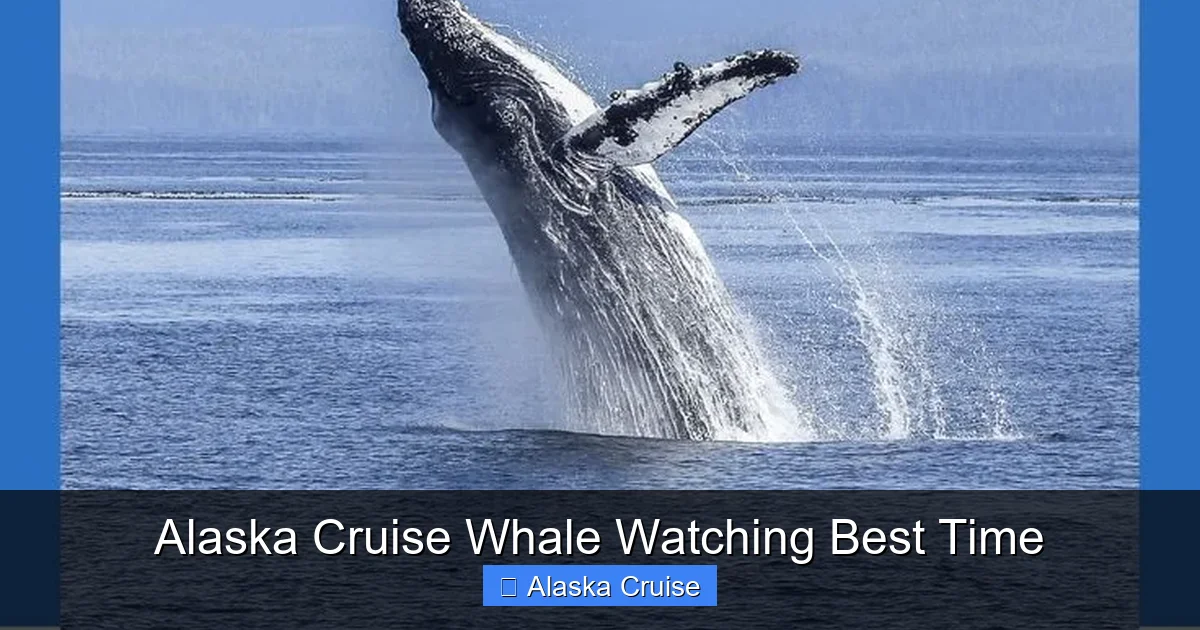
Visual guide about Alaska Cruise Whale Watching Best Time
Image source: i.pinimg.com
When planning your 2026 Alaska cruise with whale watching in mind, the calendar becomes your most important tool. While whales can be seen from May through September, certain months stand out for their reliability, weather, and overall experience. Let’s break it down month by month.
May: The Quiet Start
May marks the beginning of the Alaska cruise season, and while it’s still early, it’s not too early for whale sightings. Humpback whales begin arriving in late April and early May, especially in southern regions like Ketchikan and the waters near Prince of Wales Island. Gray whales are also making their northward migration, so you might spot them along the coast.
One of the biggest advantages of cruising in May is the lack of crowds. With schools still in session and summer vacations yet to begin, you’ll find fewer tourists, quieter ports, and often lower cruise fares. The weather is cooler—expect highs in the 50s°F (10–15°C)—but the long daylight hours (up to 16 hours by late May) make for excellent viewing conditions.
However, keep in mind that some remote areas may still be icy, and wildlife activity is just ramping up. If you’re flexible and enjoy a more peaceful experience, May can be a rewarding choice. Just pack warm layers and be prepared for variable weather.
June: The Season Gains Momentum
June is when the Alaska cruise whale watching season truly comes alive. Humpback whales are now well-established in their feeding grounds, and sightings become more frequent and predictable. Orcas begin to appear in greater numbers, particularly in the waters around Juneau and the Stephens Passage.
This month offers a sweet spot between good weather and manageable crowds. Daylight stretches to nearly 18 hours by the summer solstice, giving you plenty of time to scan the horizon. Temperatures are mild, ranging from the mid-50s to low 60s°F (13–17°C), and the seas are generally calmer than in spring.
Popular whale watching destinations like Icy Strait Point and Glacier Bay National Park are fully operational, and many cruise lines offer guided wildlife excursions. June is also a great time to see other marine life, including sea otters, Steller sea lions, and puffins. If you’re looking for a balance of good whale activity and pleasant conditions, June is an excellent choice.
July: Peak Whale Watching Season
July is widely considered the best time for Alaska cruise whale watching. This is the heart of the season, when whale numbers are at their highest and behaviors are most dynamic. Humpbacks are everywhere—feeding, breaching, and even singing underwater. Orcas are frequently spotted, and minke whales make occasional appearances.
The weather is at its best: daytime temperatures hover in the 60s°F (15–20°C), and rainfall is relatively low compared to other months. The long daylight hours—up to 18 hours—mean you can whale watch from early morning until late evening. Many cruise ships schedule multiple wildlife-focused stops, and naturalist guides are on hand to enhance your experience.
Popular spots like Frederick Sound and the waters near Sitka are teeming with activity. In fact, some of the most famous whale watching tours, such as those offered by the Alaska Whale Foundation, report their highest success rates in July. If you’re hoping for guaranteed sightings and unforgettable moments, this is the month to book your cruise.
August: Active Feeding and Social Behavior
August continues the strong whale activity of July, with one key difference: the whales are in full feeding mode. As summer progresses, they consume vast amounts of food to build up fat reserves for their migration south. This leads to increased surface activity, including breaching, tail slapping, and bubble net feeding.
Orcas are especially active in August, often hunting in pods and interacting with other marine mammals. Humpbacks may be seen “logging”—resting motionless at the surface—or engaging in competitive behaviors like competitive group feeding.
The weather remains pleasant, though it can be a bit wetter than July. Daylight begins to shorten slightly, but you’ll still have over 16 hours of light per day. Crowds start to thin out toward the end of the month, making August a great option if you want strong whale sightings without the peak-season rush.
September: The Final Flourish
September marks the tail end of the Alaska cruise season, but it’s far from a quiet time for whale watching. In fact, some travelers consider early September to be a hidden gem. Whales are still abundant, and their behaviors can be even more dramatic as they prepare for migration.
Humpbacks may be seen in large groups, feeding intensively in areas like Glacier Bay and the waters near Hoonah. Orcas remain active, and there’s even a chance to spot rare species like fin whales or blue whales, though sightings are less common.
The biggest advantage of a September cruise is the reduced number of tourists. You’ll enjoy more personalized service, quieter decks, and often lower prices. The weather is cooler—highs in the 50s°F (10–15°C)—and daylight drops to about 13 hours by the end of the month. But if you don’t mind bundling up, September offers a unique and rewarding whale watching experience.
Top Whale Watching Locations on Alaska Cruises
Not all Alaska cruise itineraries are created equal when it comes to whale watching. The best routes include stops or transit through regions known for high whale density and reliable sightings. Here are the top locations to look for when planning your 2026 cruise.
Juneau and Stephens Passage
Juneau, Alaska’s capital, is a hotspot for whale watching, thanks to its location along the Stephens Passage. This deep, narrow channel funnels nutrient-rich waters and serves as a major migration route for humpback and orca whales. Many cruise ships spend a full day here, offering passengers the chance to join guided whale watching tours via small boats or kayaks.
One of the most popular excursions is the “Whales and Glaciers” tour, which combines a boat ride through the passage with a visit to the Mendenhall Glacier. Naturalists on board provide commentary on whale behavior, feeding patterns, and conservation efforts. Sightings are frequent, and the backdrop of snow-capped mountains and icy waters makes for stunning photos.
Icy Strait Point
Located near the town of Hoonah, Icy Strait Point is a favorite among wildlife enthusiasts. This privately owned destination offers some of the highest whale sighting rates in Alaska, with reports of humpbacks seen on over 90% of tours.
The area’s unique geography—shallow, sheltered waters rich in herring—makes it a prime feeding ground. Many cruise lines offer shore excursions here, including high-speed boat tours that zip across the strait in search of whales. You might also spot sea lions, bald eagles, and even brown bears along the shoreline.
One standout experience is the “Humpback Whale Guarantee” offered by some tour operators—if you don’t see a whale, you get a free return trip. While no guarantee is 100% foolproof, the odds are strongly in your favor.
Glacier Bay National Park
A UNESCO World Heritage Site, Glacier Bay is a pristine wilderness area that’s home to a diverse array of marine life. While whales are not guaranteed here due to the park’s protected status and limited access, sightings do occur—especially in the lower bay near Bartlett Cove.
Humpback whales are the most commonly seen, often feeding near the glacier fronts where cold, nutrient-rich water upwells. Orcas are less frequent but have been spotted in recent years. The real draw of Glacier Bay is the combination of wildlife and dramatic scenery: towering glaciers calving into the sea, icebergs floating by, and mountains rising sharply from the water.
Cruise ships typically spend a full day navigating the park, with park rangers joining the voyage to provide educational commentary. It’s a slower, more contemplative experience—perfect for those who want to soak in the grandeur of Alaska’s natural beauty.
Frederick Sound
Often called the “Serengeti of the Sea,” Frederick Sound is one of the most productive whale feeding areas in the world. Located between Admiralty Island and the mainland, this body of water is a magnet for humpback whales, which gather here in large numbers during the summer.
The sound’s deep channels and abundant herring schools create ideal conditions for bubble net feeding. Many cruise ships pass through this area en route to or from Juneau, offering passengers prime viewing opportunities from the deck. Binoculars are a must—whales can appear suddenly, often just a few hundred yards from the ship.
Naturalist-led commentary enhances the experience, helping you identify individual whales by their unique tail fluke patterns. Some cruise lines even offer hydrophone systems that allow you to listen to whale songs underwater—a truly magical moment.
Ketchikan and the Tongass N rainforest
Ketchikan, known as the “Salmon Capital of the World,” is another excellent whale watching destination. Located in the heart of the Tongass National Forest, this region offers a mix of cultural experiences and wildlife viewing.
Humpback whales are frequently seen in the waters near Ketchikan, especially in the early season. Orcas are also present, particularly in the spring and fall. Many cruise passengers join local boat tours that explore the surrounding inlets and islands, where you might also see sea otters, porpoises, and bald eagles.
One unique aspect of Ketchikan is its Tlingit heritage. Some tours combine whale watching with cultural storytelling, giving you a deeper understanding of the region’s indigenous connection to the sea and its creatures.
Tips for Maximizing Your Whale Watching Experience
Even during the best time for Alaska cruise whale watching, a little preparation goes a long way. Here are some practical tips to help you make the most of your adventure.
Choose the Right Cruise Itinerary
Not all Alaska cruises are equally focused on wildlife. Look for itineraries that spend multiple days in whale-rich regions like Juneau, Icy Strait Point, and Glacier Bay. Smaller ships often offer more intimate experiences and better access to remote areas.
Consider cruise lines that employ onboard naturalists or partner with local wildlife organizations. These experts can greatly enhance your understanding and appreciation of what you’re seeing.
Pack the Right Gear
Whale watching often involves long periods on deck, so dress in layers. A waterproof jacket, warm hat, and gloves are essential, even in summer. Don’t forget sunscreen and sunglasses—the reflection off the water can be intense.
Bring a good pair of binoculars (7x or 10x magnification) and a camera with a telephoto lens. A zoom of at least 200mm is recommended for capturing clear images of distant whales. If you’re using a smartphone, consider a clip-on lens attachment.
Be Patient and Observant
Whales don’t follow a schedule. Sometimes they appear within minutes of leaving port; other times, you may wait an hour or more. Bring a book, a snack, or just enjoy the scenery while you wait.
Pay attention to bird activity—seabirds often gather where fish are schooling, which can signal nearby whales. Also, listen for the sound of a blow—it’s often the first sign that a whale is nearby.
Respect Wildlife and Guidelines
Always follow your guide’s instructions and maintain a safe distance from whales. In Alaska, boats must stay at least 100 yards away from humpbacks and 200 yards from orcas. Never chase or surround a whale—this can stress the animals and is illegal.
Remember, you’re a guest in their home. Quiet voices, minimal movement, and patience are key to a respectful and rewarding experience.
Why 2026 Is a Great Year to Go
With climate patterns stabilizing and cruise lines expanding their eco-friendly offerings, 2026 is shaping up to be an excellent year for Alaska cruise whale watching. Advances in sustainable tourism mean more responsible wildlife viewing practices, and increased naturalist staffing ensures richer educational experiences.
Additionally, post-pandemic travel trends show a growing interest in nature-based vacations, making Alaska a top destination for 2026. Booking early is recommended, as popular itineraries—especially those focused on wildlife—tend to sell out quickly.
Whether you’re drawn by the thrill of a breaching humpback or the serenity of a calm sea at sunset, the best time for Alaska cruise whale watching in 2026 promises unforgettable moments. With the right timing, location, and preparation, your journey will be one for the memory books.
Conclusion
Alaska’s whales are more than just a sight to behold—they’re a symbol of the wild, untamed beauty that defines this remarkable region. From the thunderous crash of a humpback’s breach to the silent glide of an orca through icy waters, every moment spent whale watching in Alaska is a gift.
The best time for Alaska cruise whale watching is from late May to early September, with July and August offering the highest chances of sightings and the most dynamic behaviors. By choosing the right cruise, packing wisely, and embracing the rhythms of nature, you’ll set yourself up for an experience that’s as enriching as it is exhilarating.
So as you plan your 2026 Alaska adventure, remember: the whales are waiting. All you have to do is show up, look out to sea, and let the magic unfold.
Frequently Asked Questions
What is the best month for whale watching on an Alaska cruise?
The best month is July, when humpback and orca whales are most abundant and active. August is also excellent, with strong feeding behaviors and fewer crowds.
Can you see whales in Alaska in May?
Yes, humpback and gray whales begin arriving in May, especially in southern regions like Ketchikan. Sightings are less frequent than in summer but still possible.
Do all Alaska cruises offer whale watching?
Most do, but the quality varies. Choose itineraries that include stops in Juneau, Icy Strait Point, or Glacier Bay for the best chances of sightings.
What should I bring for whale watching on a cruise?
Bring binoculars, a waterproof camera, layered clothing, and sunscreen. A telephoto lens and rain gear are highly recommended.
Are whales guaranteed on an Alaska cruise?
No, but sightings are very common during peak season. Many tour operators offer guarantees or free return trips if whales aren’t seen.
Is September too late for whale watching in Alaska?
No, September still offers good whale activity, especially in early September. Whales are actively feeding before migration, and crowds are smaller.