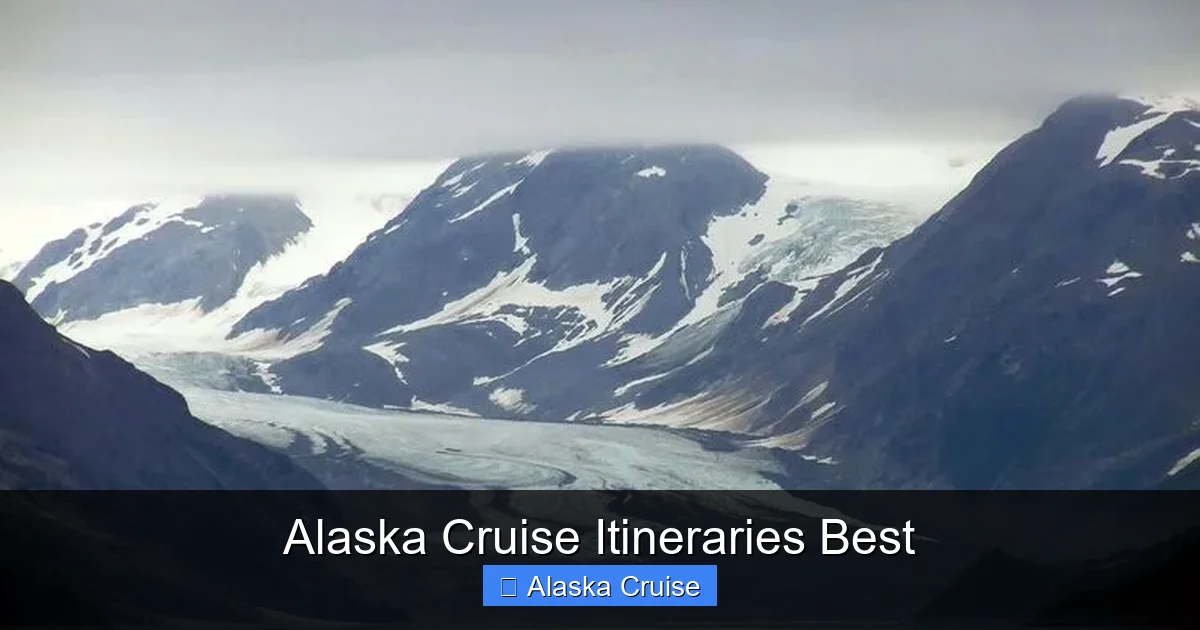
Planning an Alaska cruise in 2026? The best Alaska cruise itineraries combine stunning glaciers, abundant wildlife, and charming coastal towns. Whether you prefer a 7-day classic route or a longer 14-day adventure, choosing the right itinerary ensures unforgettable memories in America’s last frontier.
Dreaming of icy fjords, towering glaciers, and breaching humpback whales? An Alaska cruise in 2026 might just be the adventure of a lifetime. With its dramatic landscapes, rich Indigenous cultures, and abundant wildlife, Alaska remains one of the world’s most sought-after cruise destinations. Whether you’re a nature lover, photography enthusiast, or simply craving a break from the ordinary, the best Alaska cruise itineraries offer something for everyone.
But with so many options—different cruise lines, departure cities, durations, and ports—it’s easy to feel overwhelmed. Should you sail round-trip from Seattle or go one-way from Vancouver? Is a 7-day trip enough, or do you need two weeks to truly soak it in? And which glaciers are worth the hype? The good news? We’ve done the research for you. In this guide, we’ll break down the top Alaska cruise itineraries for 2026, helping you choose the perfect voyage based on your interests, budget, and travel style.
From classic coastal routes to expedition-style adventures, we’ll explore what makes each itinerary unique. You’ll learn when to go, what to pack, and how to make the most of your time ashore. Plus, we’ll spotlight emerging trends for 2026—like sustainable cruising and deeper cultural immersion—so you can travel responsibly while still having the trip of a lifetime.
Key Takeaways
- Classic 7-day routes are ideal for first-timers: Most popular itineraries sail round-trip from Seattle or Vancouver, visiting Juneau, Skagway, and Ketchikan.
- One-way cruises offer more variety: Open-jaw trips from Seattle to Vancouver (or vice versa) allow extra time in ports and reduce backtracking.
- Glacier viewing is a must: Look for itineraries that include Glacier Bay National Park or Hubbard Glacier for awe-inspiring ice experiences.
- Wildlife spotting depends on timing: May and September offer fewer crowds and active animals, while July and August peak with whales and bears.
- Shore excursions enhance the experience: Book whale watching, dog sledding, or flightseeing tours in advance for the best availability.
- Smaller ships access remote areas: Boutique lines like UnCruise or Lindblad Expeditions reach hidden coves and native villages larger ships can’t access.
- 2026 brings new ports and eco-friendly ships: Expect greener vessels and expanded cultural experiences in Indigenous communities.
📑 Table of Contents
Why Alaska Cruises Are a Must-Do in 2026
Alaska isn’t just a destination—it’s a sensory experience. Imagine waking up to the sound of calving glaciers, sipping coffee as a bald eagle soars overhead, or hiking through misty rainforests where bears fish for salmon. These moments aren’t rare; they’re everyday occurrences on a well-planned Alaska cruise.
What makes 2026 especially exciting is the evolution of cruise offerings. Cruise lines are investing in eco-friendly ships, expanding shore excursions, and partnering with local Indigenous communities to create more authentic experiences. For example, Holland America and Princess Cruises now feature onboard naturalists and cultural ambassadors who share stories of the Tlingit, Haida, and other Native groups. Meanwhile, smaller expedition ships are opening up remote areas like the Inside Passage’s lesser-known inlets and the Gulf of Alaska’s wild coast.
Another reason to cruise Alaska in 2026? The weather. While summers are warming globally, Alaska’s peak season (May through September) remains comfortably cool, with daytime temperatures ranging from 50°F to 70°F. This makes it ideal for outdoor activities like kayaking, hiking, and wildlife tours. Plus, longer daylight hours—up to 18 hours in June—mean more time to explore.
And let’s not forget the wildlife. Alaska is home to over 40 species of mammals, including humpback whales, orcas, sea otters, brown bears, and moose. Birdwatchers will delight in spotting puffins, bald eagles, and marbled murrelets. The best part? You don’t need to venture far. Many of these animals can be seen right from the deck of your ship or during a short shore excursion.
Top Alaska Cruise Itineraries for 2026
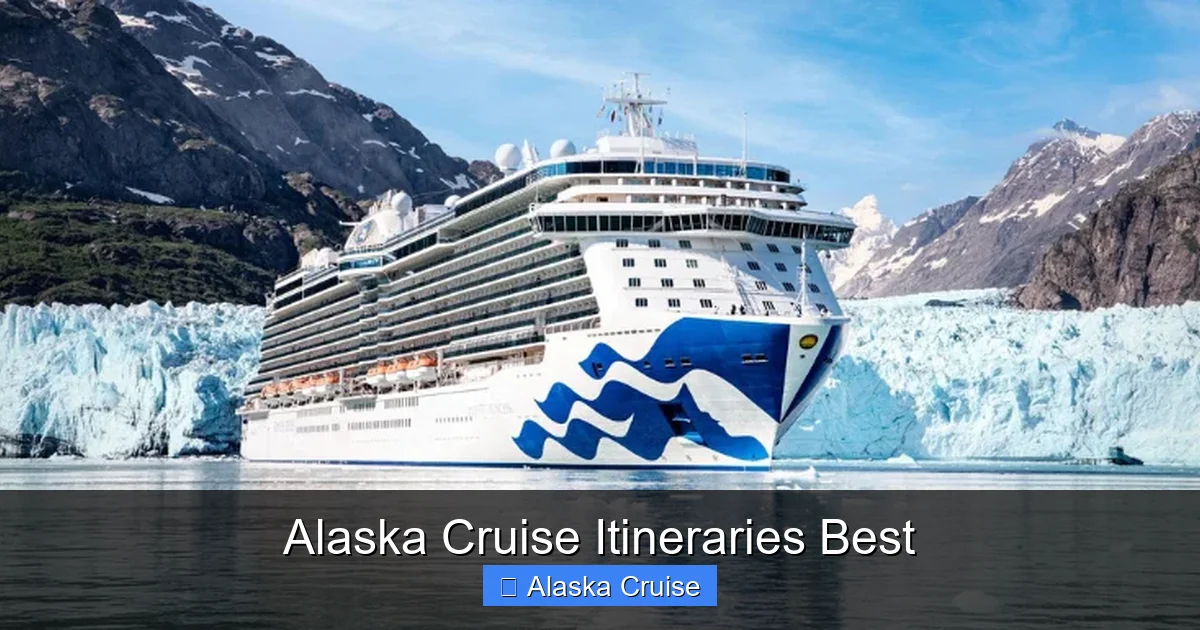
Visual guide about Alaska Cruise Itineraries Best
Image source: cruiseline-editorial.imgix.net
When it comes to choosing the best Alaska cruise itinerary, it helps to know your options. Most cruises fall into one of three categories: round-trip, one-way (open-jaw), or one-way with air add-ons. Each has its pros and cons, depending on your travel preferences and schedule.
Classic Round-Trip Itineraries (7–10 Days)
The most popular Alaska cruise itineraries are round-trip voyages departing from Seattle or Vancouver. These 7- to 10-day trips are perfect for first-time cruisers or those with limited vacation time. They typically follow the Inside Passage, stopping at three main ports: Juneau, Skagway, and Ketchikan.
A classic 7-day round-trip from Seattle might look like this:
– Day 1: Depart Seattle
– Day 2: At sea (scenic cruising through the Strait of Juan de Fuca)
– Day 3: Ketchikan (known as the “Salmon Capital of the World”)
– Day 4: Tracy Arm Fjord & Juneau (whale watching and Mendenhall Glacier)
– Day 5: Skagway (Gold Rush history and White Pass Railway)
– Day 6: At sea (glacier viewing near Endicott Arm or Dawes Glacier)
– Day 7: Return to Seattle
These itineraries are offered by major lines like Norwegian Cruise Line, Royal Caribbean, and Carnival. They’re family-friendly, with plenty of onboard activities, dining options, and entertainment. Plus, departing and returning to the same city simplifies travel logistics.
One-Way (Open-Jaw) Cruises
For travelers who want more flexibility and less backtracking, one-way cruises are a smart choice. These “open-jaw” itineraries sail from Seattle to Vancouver (or vice versa), allowing you to fly into one city and out of another. This saves time and often reduces overall travel costs.
A typical 7-day one-way cruise from Seattle to Vancouver might include:
– Day 1: Depart Seattle
– Day 2: At sea
– Day 3: Ketchikan
– Day 4: Juneau
– Day 5: Skagway
– Day 6: Glacier Bay National Park (full-day scenic cruising)
– Day 7: Disembark in Vancouver
One-way itineraries often include Glacier Bay National Park, a UNESCO World Heritage Site and one of Alaska’s crown jewels. The park is only accessible by air or sea, and cruise ships must obtain permits to enter. Because of this, not all itineraries include it—so be sure to check when booking.
Extended 10–14 Day Adventures
If you have more time and want to go deeper, consider an extended Alaska cruise. These 10- to 14-day itineraries often venture beyond the Inside Passage into the Gulf of Alaska, visiting remote ports like Seward, Whittier, and Icy Strait Point.
For example, a 14-day cruise with Princess Cruises might start in Vancouver, sail to Ketchikan, Juneau, Skagway, and Glacier Bay, then cross the Gulf to Seward (near Anchorage). From there, you can take a land tour to Denali National Park before flying home.
Extended cruises are ideal for travelers who want a mix of sea and land experiences. They’re also great for wildlife enthusiasts, as the Gulf of Alaska offers prime whale-watching opportunities and access to Katmai National Park (famous for brown bears).
Expedition Cruises for the Adventurous
For a more intimate and immersive experience, consider an expedition cruise. These smaller ships—often carrying fewer than 200 passengers—focus on nature, wildlife, and cultural exploration. Lines like UnCruise Adventures, Lindblad Expeditions (in partnership with National Geographic), and Hurtigruten offer itineraries that go where big ships can’t.
A 9-day expedition cruise might include:
– Kayaking among icebergs in Tracy Arm
– Zodiac tours in Glacier Bay
– Visiting remote Haida villages in British Columbia
– Hiking in Tongass National Forest
– Wildlife photography workshops with onboard experts
These cruises are more expensive but offer unparalleled access and personalized service. They’re perfect for solo travelers, couples, or small groups seeking adventure and authenticity.
Best Ports of Call on Alaska Cruise Itineraries
One of the biggest draws of an Alaska cruise is the variety of ports. Each stop offers a unique blend of natural beauty, history, and culture. Here’s a closer look at the most popular ports and what makes them special.
Juneau: The Capital City with Wild Surroundings
Juneau is Alaska’s capital—and one of the few state capitals not accessible by road. This makes it a true cruise destination. Nestled between mountains and sea, Juneau is a gateway to outdoor adventures.
Top experiences include:
– Visiting the Mendenhall Glacier, a 13-mile-long river of ice just 12 miles from downtown
– Whale watching tours in Stephens Passage (humpbacks and orcas are common)
– Hiking the Perseverance Trail or Mount Roberts Trail
– Exploring the Alaska State Museum or the Last Frontier Theatre
Juneau is also a great place to sample local seafood—especially fresh salmon and Dungeness crab.
Skagway: Gold Rush Charm and Scenic Railways
Step back in time in Skagway, a well-preserved Gold Rush town from the late 1800s. With its wooden boardwalks, historic saloons, and colorful storefronts, Skagway feels like a scene from an old Western.
Don’t miss:
– The White Pass & Yukon Route Railway, a narrow-gauge train that climbs 2,865 feet in just 20 miles
– Dog sledding demonstrations (some tours include visits to musher kennels)
– Hiking the Chilkoot Trail or taking a flightseeing tour over the glaciers
– Shopping for local crafts and gold nugget jewelry
Skagway is also a great base for exploring the surrounding wilderness. Many tours include visits to the nearby ghost town of Dyea or the scenic Klondike Highway.
Ketchikan: Rainforests, Totem Poles, and Salmon
Known as the “Salmon Capital of the World,” Ketchikan is a lush, rainforest-covered island town. It’s also a cultural hub for the Tlingit, Haida, and Tsimshian peoples.
Highlights include:
– Visiting Totem Bight State Historical Park or the Totem Heritage Center
– Taking a guided rainforest walk or kayaking tour
– Watching salmon spawn at the nearby fish ladder
– Enjoying fresh seafood at local restaurants like George Inlet Lodge
Ketchikan is also a great place to learn about Indigenous art and culture. Many shops sell authentic carvings, jewelry, and textiles made by local artists.
Glacier Bay National Park: A UNESCO Treasure
Glacier Bay is one of the most dramatic stops on any Alaska cruise. This 3.3-million-acre park is home to over a dozen active glaciers, including the famous Margerie and Lamplugh Glaciers.
Ships spend a full day cruising through the park, often accompanied by a National Park Service ranger who provides commentary. You’ll see calving glaciers, icebergs, and wildlife like sea lions, harbor seals, and bald eagles.
Note: Only a limited number of ships are allowed in Glacier Bay each day, so itineraries that include it are highly sought after.
Seward and Whittier: Gateways to Kenai Fjords
These ports, located near Anchorage, are the starting points for land tours to Kenai Fjords National Park and Denali. Seward, in particular, is a favorite for its scenic harbor and access to Resurrection Bay.
Popular activities include:
– Boat tours to Kenai Fjords to see glaciers and marine wildlife
– Hiking in Chugach State Park
– Visiting the Alaska SeaLife Center
– Taking a train to Denali National Park (via the Alaska Railroad)
Whittier, though smaller, offers a more secluded experience and is often used as a departure point for expedition cruises.
When to Go: Best Times for Alaska Cruises in 2026
Timing can make or break your Alaska cruise experience. The official cruise season runs from May to September, but each month offers something different.
May and Early June: Fewer Crowds, Active Wildlife
Late May and early June mark the start of the season. The weather is cooler, but the landscapes are lush and green. Wildlife is especially active as animals prepare for summer.
Pros:
– Lower prices and fewer crowds
– Bears are often seen fishing for salmon in rivers
– Wildflowers begin to bloom
Cons:
– Some shore excursions may not be fully operational
– Shorter daylight hours than peak summer
July and August: Peak Season with Warm Weather
These are the most popular months for Alaska cruises. The weather is at its best, with long days and mild temperatures. It’s also the peak time for whale watching, with humpbacks, orcas, and gray whales frequently spotted.
Pros:
– Full range of shore excursions available
– Warmest weather and longest daylight
– Best chance to see whales and bears
Cons:
– Highest prices and largest crowds
– Some ports can feel touristy
September: Fall Colors and Quiet Beauty
Late September offers a quieter, more reflective Alaska experience. The crowds have thinned, and the landscapes are painted in golden hues.
Pros:
– Stunning fall foliage
– Lower prices and fewer tourists
– Active wildlife, including bears preparing for hibernation
Cons:
– Cooler temperatures and shorter days
– Some tours and attractions begin to close
Tips for Choosing the Best Alaska Cruise Itinerary
With so many options, how do you pick the right cruise? Here are some practical tips to help you decide.
Match the Itinerary to Your Travel Style
Are you a first-time cruiser looking for comfort and convenience? A classic 7-day round-trip from Seattle might be perfect. Prefer adventure and authenticity? An expedition cruise with UnCruise could be your best bet.
Consider:
– How much time you have
– Your budget (expedition cruises are pricier)
– Whether you want a mix of sea and land
– Your interest in wildlife, culture, or history
Book Shore Excursions Early
Popular tours—like whale watching in Juneau or the White Pass Railway in Skagway—sell out quickly, especially during peak season. Book your excursions as soon as your cruise is confirmed to secure your spot.
Many cruise lines offer “excursion packages” that bundle multiple tours at a discount. These can save you money and simplify planning.
Pack Smart for Variable Weather
Alaska’s weather can change quickly. Even in summer, temperatures can drop near glaciers or during rain. Pack layers, including:
– Waterproof jacket and pants
– Warm fleece or sweater
– Comfortable hiking shoes
– Hat, gloves, and sunglasses
Don’t forget binoculars for wildlife spotting and a good camera with extra batteries.
Consider a Land-and-Sea Package
Many cruise lines offer combined cruise and land tours. For example, you might cruise for 7 days, then spend 3 days exploring Denali National Park or the Kenai Peninsula.
These packages are convenient and often include flights, hotels, and guided tours. They’re ideal for travelers who want to see more of Alaska without the hassle of planning multiple trips.
Look for Eco-Friendly Options
In 2026, sustainability is a growing focus in the cruise industry. Look for lines that use cleaner fuels, reduce single-use plastics, and support local communities.
For example, Norwegian Cruise Line’s new Prima-class ships feature advanced wastewater treatment and energy-efficient systems. Smaller expedition lines often partner with conservation groups and limit passenger numbers to reduce environmental impact.
Emerging Trends in Alaska Cruising for 2026
The Alaska cruise experience is evolving. Here are some trends to watch in 2026.
Greater Cultural Immersion
Cruise lines are partnering with Indigenous communities to offer more authentic cultural experiences. This includes traditional storytelling, dance performances, and visits to native villages.
For example, some itineraries now include stops at the Haida Heritage Centre in Skidegate, BC, or cultural tours led by Tlingit guides in Juneau.
Smaller, Greener Ships
As demand for sustainable travel grows, more lines are introducing smaller, eco-friendly vessels. These ships use hybrid engines, shore power, and advanced waste management systems.
Expedition ships are also getting more luxurious, with features like heated outdoor decks, glass-bottom observation lounges, and gourmet dining.
Extended Itineraries and New Ports
In 2026, expect to see more extended cruises and new ports of call. Some lines are exploring remote areas like the Aleutian Islands or the Arctic coast, offering truly unique adventures.
Additionally, cruise lines are adding more overnight stays in ports, giving passengers extra time to explore.
Conclusion
Choosing the best Alaska cruise itinerary for 2026 doesn’t have to be overwhelming. Whether you’re drawn to the classic ports of the Inside Passage or the wild beauty of the Gulf of Alaska, there’s a voyage that fits your style and schedule.
From family-friendly round-trips to intimate expedition cruises, the options are as diverse as the landscapes themselves. By considering your interests, timing your trip wisely, and booking key experiences in advance, you’ll set yourself up for an unforgettable adventure.
So pack your bags, grab your camera, and get ready to experience the raw beauty of Alaska. With glaciers that thunder, whales that breach, and mountains that touch the sky, this is one journey you’ll never forget.
Frequently Asked Questions
What is the best month to take an Alaska cruise in 2026?
The best month depends on your preferences. July and August offer warm weather and peak wildlife activity, while May and September provide fewer crowds and lower prices. For fall colors and quiet beauty, late September is ideal.
Do all Alaska cruise itineraries include Glacier Bay?
No, not all itineraries include Glacier Bay National Park. Only a limited number of ships are allowed in the park each day, so it’s typically featured on one-way cruises or extended voyages. Always check your itinerary details before booking.
Can I see whales on an Alaska cruise?
Yes! Whale watching is one of the top experiences on an Alaska cruise. Humpback whales, orcas, and gray whales are commonly spotted, especially in July and August. Many ports offer dedicated whale-watching tours.
Are Alaska cruises family-friendly?
Absolutely. Most major cruise lines offer kids’ clubs, family activities, and shore excursions suitable for all ages. Round-trip itineraries from Seattle or Vancouver are especially convenient for families.
What should I pack for an Alaska cruise?
Pack layers, including a waterproof jacket, warm sweater, and comfortable hiking shoes. Don’t forget binoculars, sunscreen, and a camera. Weather can change quickly, so be prepared for rain and cooler temperatures near glaciers.
Are there eco-friendly Alaska cruise options in 2026?
Yes. Many cruise lines are introducing greener ships with cleaner fuels and reduced emissions. Expedition lines like UnCruise and Lindblad focus on sustainability and low-impact travel, making them great choices for eco-conscious travelers.