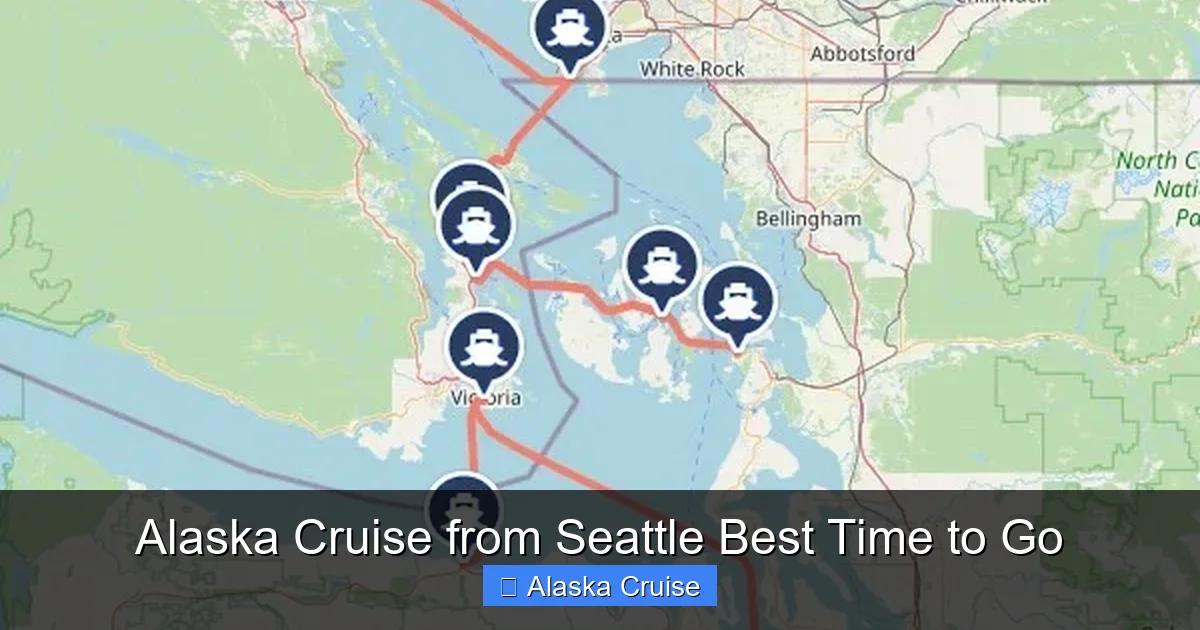
Planning an Alaska cruise from Seattle? The best time to go is typically between late May and early September. This window offers mild weather, abundant wildlife, longer daylight hours, and full access to ports and excursions. Avoid peak July crowds if you prefer quieter experiences, and consider shoulder months for better deals and fewer tourists.
Dreaming of snow-capped peaks, towering glaciers, and breaching whales? An Alaska cruise from Seattle might just be the adventure you’ve been waiting for. Departing from the vibrant Pacific Northwest city, these cruises offer a seamless blend of urban charm and untamed wilderness. You’ll sail through the Inside Passage, explore remote coastal towns, and witness nature’s grandeur up close—all without the hassle of international flights or complex logistics.
But here’s the big question: when is the best time to go on an Alaska cruise from Seattle? With so many factors to consider—weather, wildlife, crowds, and prices—it’s easy to feel overwhelmed. The good news? You’ve come to the right place. Whether you’re a first-time cruiser or a seasoned traveler, this guide will help you pick the perfect time for your 2026 Alaska adventure. We’ll break down everything you need to know, from seasonal weather patterns to wildlife migration cycles, so you can sail with confidence and make the most of your journey.
Key Takeaways
- Best Overall Time: Late May to early September offers ideal weather, wildlife viewing, and open ports.
- Peak Season (July–August): Warmest weather and longest days, but also the most crowded and expensive.
- Shoulder Months (May–June & September): Fewer crowds, lower prices, and still great conditions—ideal for budget-conscious travelers.
- Wildlife Viewing: Peak whale and bear sightings occur in July and August, but June and September offer unique opportunities.
- Weather Considerations: Expect rain year-round, but summer months are driest with average highs of 60–70°F.
- Daylight Hours: Up to 18 hours of daylight in June—perfect for sightseeing and photography.
- Booking Tips: Reserve 6–12 months in advance for best cabin selection and pricing, especially for 2026 sailings.
📑 Table of Contents
- Why Choose a Seattle Departure for Your Alaska Cruise?
- Understanding Alaska’s Cruise Season
- Weather and Climate: What to Expect in 2026
- Wildlife Viewing: When to See the Best of Alaska’s Animals
- Crowds, Prices, and Booking Tips for 2026
- Top Itineraries and Ports to Visit
- Packing Tips and What to Bring
- Conclusion: Choosing the Best Time for Your 2026 Alaska Cruise
Why Choose a Seattle Departure for Your Alaska Cruise?
Seattle is one of the most popular departure ports for Alaska cruises, and for good reason. Unlike cruises that start in Vancouver or farther south, Seattle-based itineraries often offer round-trip options, meaning you begin and end your journey in the same city. This eliminates the need for expensive repositioning flights or complicated travel logistics. Plus, Seattle is a major transportation hub with direct flights from across the U.S. and Canada, making it easy to get to and from your cruise.
Another major advantage? No international border crossings. Since you’re departing from a U.S. port and sailing primarily in U.S. waters (with possible stops in Canadian ports like Victoria or Ketchikan), you avoid passport complications for U.S. citizens. This makes Seattle cruises especially appealing to families, first-time cruisers, and travelers who prefer a more streamlined experience.
Convenience and Comfort
Round-trip cruises from Seattle typically last 7 to 10 days and visit iconic Alaskan destinations such as Juneau, Skagway, Ketchikan, and Glacier Bay National Park. Some itineraries also include a stop in Victoria, British Columbia, adding a touch of Canadian charm to your journey. Because you’re not flying into a different country, you can pack lighter and avoid the stress of international customs.
Additionally, Seattle’s cruise terminal is modern and well-equipped, with easy access to downtown attractions like Pike Place Market and the Space Needle. Many travelers choose to arrive a day early to explore the city, turning their cruise into a mini-vacation.
Environmental and Scenic Benefits
Sailing from Seattle also means you’ll spend more time in the heart of the Inside Passage—a stunning network of fjords, islands, and waterways that define Southeast Alaska. This region is known for its lush rainforests, abundant wildlife, and dramatic mountain backdrops. By starting in Seattle, you maximize your time in these scenic areas and minimize time spent traveling to and from distant ports.
Understanding Alaska’s Cruise Season

Visual guide about Alaska Cruise from Seattle Best Time to Go
Image source: i.ytimg.com
Alaska’s cruise season is relatively short, typically running from early May to late September. This is due to the state’s northern latitude and cold winters, which make ports inaccessible and weather unpredictable outside of these months. For 2026, the season is expected to follow a similar pattern, with most major cruise lines—including Holland America, Princess, Norwegian, and Royal Caribbean—offering sailings between May and September.
The season is generally divided into three phases: early season (May–June), peak season (July–August), and late season (September). Each has its own advantages and trade-offs, so understanding the differences is key to choosing the right time for your trip.
Early Season (May–June)
The early season kicks off in mid-to-late May and extends through June. This is a fantastic time to go if you’re looking for a balance of good weather, fewer crowds, and lower prices. While it’s still early in the summer, temperatures are mild, and many ports are fully operational. You’ll enjoy long daylight hours—up to 17 hours in June—giving you plenty of time to explore.
Wildlife is also active during this time. Bears are often spotted along riverbanks feeding on salmon, and migratory birds return to nest. Whale sightings are common, especially humpbacks and orcas, as they follow nutrient-rich currents into Alaskan waters. However, some remote excursions or hiking trails may still be closed due to lingering snow or mud.
Peak Season (July–August)
July and August are the heart of Alaska’s cruise season. This is when the weather is at its warmest, with average daytime temperatures ranging from 60°F to 70°F. Rain is still possible, but storms are less frequent than in spring or fall. Daylight stretches to nearly 18 hours in June and July, creating a magical “land of the midnight sun” experience.
This is also the busiest time of year. Popular ports like Juneau and Skagway can feel crowded, especially on days when multiple ships are in port. Excursions—such as glacier hikes, dog sledding, and whale watching—book up quickly, so advance reservations are a must. Prices for cabins and flights are at their highest, and availability can be limited.
Despite the crowds, peak season offers the best overall conditions for sightseeing and outdoor activities. Glaciers are calving actively, waterfalls are at their fullest from snowmelt, and wildlife is abundant. If you don’t mind sharing the experience with fellow travelers, this is an excellent time to go.
Late Season (September)
September marks the tail end of the cruise season, with most sailings concluding by mid-to-late September. This is a hidden gem for travelers seeking a quieter, more intimate experience. Crowds thin out significantly, and many locals describe September as one of the most beautiful months in Alaska.
The weather is still pleasant, with crisp mornings and mild afternoons. Fall colors begin to emerge in the forests, painting the landscape in vibrant shades of gold and red. Wildlife is still active—bears are busy preparing for hibernation, and whales may still be seen migrating south. Some cruise lines even offer special “shoulder season” itineraries with unique excursions like aurora borealis viewing (though sightings are rare this far south).
One thing to note: some ports and attractions may begin to close for the season in late September. For example, certain helicopter tours or remote lodges might not operate. However, major ports like Juneau and Ketchikan typically remain open through the end of the month.
Weather and Climate: What to Expect in 2026
Alaska’s weather is famously unpredictable, but summer months offer the most stable conditions for cruising. When planning your 2026 Alaska cruise from Seattle, it’s important to understand the typical climate patterns and how they vary by month.
Temperature Trends
Average daytime temperatures during the cruise season range from 50°F in May to 70°F in July and August. Nights are cooler, often dipping into the 40s, so layering is essential. Coastal areas like Ketchikan and Juneau tend to be milder than inland regions, but microclimates can vary widely.
For example, a sunny day in Skagway might feel warm and pleasant, while overcast conditions in Glacier Bay can feel chilly even in July. Always pack a waterproof jacket, warm layers, and sturdy footwear—regardless of the forecast.
Rainfall and Precipitation
Rain is a fact of life in Southeast Alaska. The region receives an average of 100–200 inches of rainfall annually, with May through September being the driest months. However, “dry” doesn’t mean “rain-free.” Brief showers are common, and fog can roll in quickly, especially in the mornings.
That said, July and August typically see the least rainfall, making them ideal for outdoor excursions. September can be wetter, but the trade-off is fewer crowds and stunning fall scenery.
Daylight and the Midnight Sun
One of the most magical aspects of an Alaska cruise is the extended daylight. In June, the sun rises around 4:00 a.m. and sets after 10:00 p.m., giving you nearly 18 hours of light. This means more time for sightseeing, photography, and enjoying the scenery from your cabin balcony.
Even in September, daylight remains generous, with about 12–13 hours of sun. This extended light is a major advantage for travelers who want to maximize their time exploring.
Wildlife Viewing: When to See the Best of Alaska’s Animals
One of the biggest draws of an Alaska cruise is the chance to see wildlife in its natural habitat. From humpback whales to brown bears, the region is a haven for nature lovers. Timing your trip to coincide with peak wildlife activity can greatly enhance your experience.
Whales and Marine Life
Whale watching is a highlight of any Alaska cruise. Humpback whales are the most commonly spotted, often seen breaching, tail-slapping, or feeding in pods. Orcas (killer whales) are also frequently seen, especially in July and August when they follow salmon runs.
Gray whales migrate through Alaskan waters in spring and fall, so May and September offer unique opportunities to see them. Minke and fin whales may also be spotted, though they’re less common.
Dolphins, sea lions, and harbor seals are often seen along the coast, and puffins nest on remote islands during the summer months.
Bears and Land Wildlife
Brown bears (including grizzlies) and black bears are most active in July and August, when salmon are abundant in rivers and streams. Popular bear-viewing spots include Pack Creek on Admiralty Island and the rivers near Ketchikan and Haines.
In June, bears are often seen along coastal areas feeding on early salmon runs. By September, they’re in a feeding frenzy, known as hyperphagia, as they prepare for winter hibernation.
Moose, mountain goats, and bald eagles are also commonly seen throughout the season. Eagles, in particular, are abundant in coastal areas, with some towns claiming thousands of nesting pairs.
Birdwatching and Migratory Species
Alaska is a birdwatcher’s paradise. From May to September, migratory birds such as sandhill cranes, arctic terns, and various seabirds return to nest. The Pribilof Islands and Glacier Bay are prime spots for birdwatching, though most cruise passengers will see plenty from the ship or during shore excursions.
Crowds, Prices, and Booking Tips for 2026
Timing your cruise isn’t just about weather and wildlife—it’s also about managing crowds and costs. Understanding the pricing and availability trends for 2026 can help you get the best value for your trip.
Peak vs. Shoulder Season Pricing
July and August are the most expensive months to cruise, with prices for interior cabins often starting at $1,500–$2,000 per person. Balcony and suite accommodations can easily exceed $3,000. Flights to Seattle also tend to be pricier during this time.
In contrast, May, June, and September offer significant savings. Cruise lines often discount fares during these shoulder months to fill cabins. You might find deals as low as $800–$1,200 per person for a 7-day cruise, including airfare promotions.
Booking Early for 2026
Cruise lines typically open bookings 12–18 months in advance. For 2026 sailings, many lines will begin accepting reservations in late 2024 or early 2025. Booking early gives you the best selection of cabins, itineraries, and departure dates.
Popular sailings—especially those departing on weekends or during school holidays—tend to sell out quickly. If you have flexibility, consider a midweek departure in June or September for better availability and lower prices.
Deals and Promotions
Watch for early-bird discounts, group rates, and loyalty program perks. Many cruise lines offer “kids sail free” promotions or onboard credit for early bookings. Signing up for email alerts from your preferred cruise line can help you catch limited-time offers.
Also consider working with a travel agent who specializes in Alaska cruises. They often have access to exclusive deals and can help you navigate complex itineraries and excursion bookings.
Top Itineraries and Ports to Visit
Most Alaska cruises from Seattle follow a similar route, visiting a mix of Alaskan and Canadian ports. Here’s a look at some of the most popular stops and what you can expect.
Ketchikan: The Salmon Capital of the World
Ketchikan is often the first stop on Seattle-based cruises. Known for its vibrant Native American culture, totem poles, and lush rainforests, this port offers a mix of history and adventure. Popular excursions include visiting the Totem Heritage Center, kayaking through Misty Fjords, and fishing for salmon.
Juneau: Alaska’s Capital City
Accessible only by boat or plane, Juneau is a gateway to Glacier Bay National Park and the Mendenhall Glacier. Whale watching tours are a must, and many visitors take a helicopter ride to land on a glacier or go dog sledding on a snowfield.
Skagway: A Gold Rush Town
Step back in time in Skagway, a well-preserved Gold Rush-era town. The White Pass and Yukon Route Railway is a highlight, offering scenic train rides through mountain passes. Hiking, gold panning, and visiting the Klondike Gold Rush National Historical Park are also popular.
Glacier Bay National Park
A UNESCO World Heritage Site, Glacier Bay is a must-see for any Alaska cruise. Here, you’ll witness massive glaciers calving into the sea, surrounded by towering cliffs and pristine wilderness. Wildlife sightings are common, including seals, sea otters, and whales.
Victoria, BC: A Touch of British Charm
Many Seattle cruises include a stop in Victoria, British Columbia. This charming city offers afternoon tea, beautiful gardens, and a stroll along the Inner Harbour. It’s a great way to add international flavor to your trip without leaving North America.
Packing Tips and What to Bring
Packing for an Alaska cruise requires preparation for variable weather and outdoor activities. Here are some essentials to include:
- Layered Clothing: Pack lightweight base layers, fleece or wool mid-layers, and a waterproof outer shell.
- Waterproof Gear: A rain jacket, waterproof pants, and sturdy hiking boots are a must.
- Warm Accessories: Bring gloves, a hat, and a scarf—even in summer, it can get chilly on deck.
- Binoculars: Essential for wildlife viewing and spotting distant glaciers.
- Sunscreen and Sunglasses: The sun can be strong, especially on water and snow.
- Camera with Zoom Lens: Capture wildlife and scenic views up close.
- Reusable Water Bottle: Stay hydrated during excursions.
Conclusion: Choosing the Best Time for Your 2026 Alaska Cruise
So, what’s the best time to go on an Alaska cruise from Seattle in 2026? The answer depends on your priorities. If you want the warmest weather, longest days, and peak wildlife activity, July and August are ideal—but be prepared for crowds and higher prices. For a more relaxed experience with great weather and lower costs, consider May, June, or September.
Ultimately, any time between late May and early September offers a chance to experience Alaska’s breathtaking beauty. With careful planning, the right itinerary, and a sense of adventure, your 2026 cruise from Seattle could be the trip of a lifetime.
Frequently Asked Questions
What is the best month for an Alaska cruise from Seattle?
The best month depends on your preferences. July and August offer the warmest weather and most wildlife, while June and September provide fewer crowds and better prices. May is ideal for early-season deals and long daylight hours.
Is it cold on an Alaska cruise in June?
June is generally mild, with daytime temperatures ranging from 55°F to 65°F. Evenings can be cooler, so pack layers. It’s not cold by most standards, but you’ll want a jacket for early mornings and sea breezes.
Can you see the Northern Lights on an Alaska cruise?
Northern Lights sightings are rare on Southeast Alaska cruises due to the southern latitude and summer daylight. However, some late-season September sailings may offer a chance, especially if you take an overnight excursion farther north.
Are there kids’ activities on Alaska cruises from Seattle?
Yes, most major cruise lines offer kids’ clubs, family-friendly excursions, and educational programs. Look for ships with dedicated youth areas and activities like glacier hikes, wildlife tours, and interactive museums.
Do I need a passport for an Alaska cruise from Seattle?
U.S. citizens do not need a passport for closed-loop cruises (departing and returning to the same U.S. port). However, if your itinerary includes a stop in Canada, a passport or passport card is recommended.
How far in advance should I book my 2026 Alaska cruise?
Book 6–12 months in advance for the best cabin selection and pricing. Popular sailings, especially in July and August, can sell out over a year ahead. Early booking also gives you more flexibility with flights and excursions.