
Planning an Alaska cruise to see the northern lights? The best time is late August to mid-April, with peak visibility from December to March. While most cruises run May–September, extending your trip into shoulder seasons or pairing your voyage with a pre- or post-cruise land tour boosts your aurora chances dramatically.
If you’ve ever dreamed of dancing green curtains lighting up the Arctic sky, an Alaska cruise might be the perfect gateway to witnessing the northern lights. But here’s the catch: most people assume that cruising Alaska in July means they’ll catch the aurora borealis. Spoiler alert—they won’t. The truth? The best time to see the northern lights on an Alaska cruise isn’t during the peak summer season at all. It’s actually in the shoulder months or even outside the traditional cruise window entirely.
Alaska’s cruise season typically runs from May through September, when ports like Juneau, Ketchikan, and Skagway are bustling with tourists, glaciers are calving, and wildlife is abundant. But during these months, the nights are short—or nonexistent—in much of Alaska. In fact, above the Arctic Circle, the sun doesn’t set at all in June and July. That means no darkness, and without darkness, there’s no chance to see the aurora. So while a summer cruise offers stunning scenery and mild weather, it’s not ideal for northern lights chasers.
That doesn’t mean you should skip an Alaska cruise altogether if the northern lights are on your bucket list. Instead, smart travelers are rethinking their itineraries. By combining a summer cruise with a pre- or post-cruise land adventure in Alaska’s Interior—especially in places like Fairbanks or Denali—you can enjoy the best of both worlds: glacier tours and whale watching by day, and aurora displays by night. And with 2026 shaping up to be a strong year for solar activity, now is the perfect time to plan your ultimate Alaska aurora experience.
Key Takeaways
- Best months for northern lights: Late August to mid-April, with peak activity between December and March.
- Cruise season vs. aurora season: Most Alaska cruises operate May–September, missing prime aurora months—plan a land extension for better odds.
- Dark skies are essential: Minimal light pollution and clear, moonless nights dramatically improve visibility.
- Solar activity matters: Higher solar wind increases aurora frequency and intensity—check forecasts before traveling.
- Top viewing regions: Fairbanks, Denali, and the Interior offer some of the clearest skies and longest viewing windows.
- Pack for cold and comfort: Dress in layers, bring hand warmers, and use a tripod for long-exposure photography.
- Book early for 2026: Northern lights tours and cruise add-ons fill fast—reserve by late 2025 for best availability.
📑 Table of Contents
- Understanding the Northern Lights: What You Need to Know
- When Is the Best Time to See Northern Lights in Alaska?
- Combining an Alaska Cruise with a Northern Lights Land Tour
- Top Locations for Viewing the Northern Lights in Alaska
- Practical Tips for Seeing the Northern Lights on Your Alaska Cruise
- Why 2026 Is the Perfect Year to Go
Understanding the Northern Lights: What You Need to Know
Before we dive into timing and locations, let’s break down what the northern lights actually are—and why they’re so unpredictable. The aurora borealis, commonly known as the northern lights, is a natural light display caused by charged particles from the sun colliding with gases in Earth’s atmosphere. These particles are carried toward the poles by the solar wind and interact with oxygen and nitrogen, creating the glowing greens, pinks, purples, and reds that dance across the night sky.
The intensity and frequency of the northern lights depend heavily on solar activity. Scientists track this using the KP index, a scale from 0 to 9 that measures geomagnetic activity. A KP of 3 or higher generally means the aurora is visible in Alaska, while a KP of 5 or more can bring the lights as far south as Seattle or even Minnesota. In 2026, experts predict we’ll be nearing the peak of Solar Cycle 25, which means more frequent and intense auroral displays. That’s great news for travelers—your chances of seeing a strong show are higher than they’ve been in over a decade.
But solar activity is only part of the equation. Weather plays a huge role. Clear, cloudless skies are essential for viewing the aurora. Even a KP of 7 won’t help if you’re stuck under a thick blanket of clouds. That’s why locations with dry, stable climates—like Fairbanks—are prime aurora hotspots. They average over 200 cloud-free nights per year, making them far more reliable than coastal cities like Anchorage or Juneau, which are often socked in by rain or fog.
Another factor is light pollution. The northern lights are best seen in dark, remote areas away from city lights. That’s why many travelers head to national parks, wilderness lodges, or even backcountry cabins for the best views. On an Alaska cruise, you’ll be near ports with streetlights and ship illumination, which can wash out faint auroral activity. So while you might catch a glimpse from the deck on a clear night, your best bet is to get inland and away from artificial light.
When Is the Best Time to See Northern Lights in Alaska?
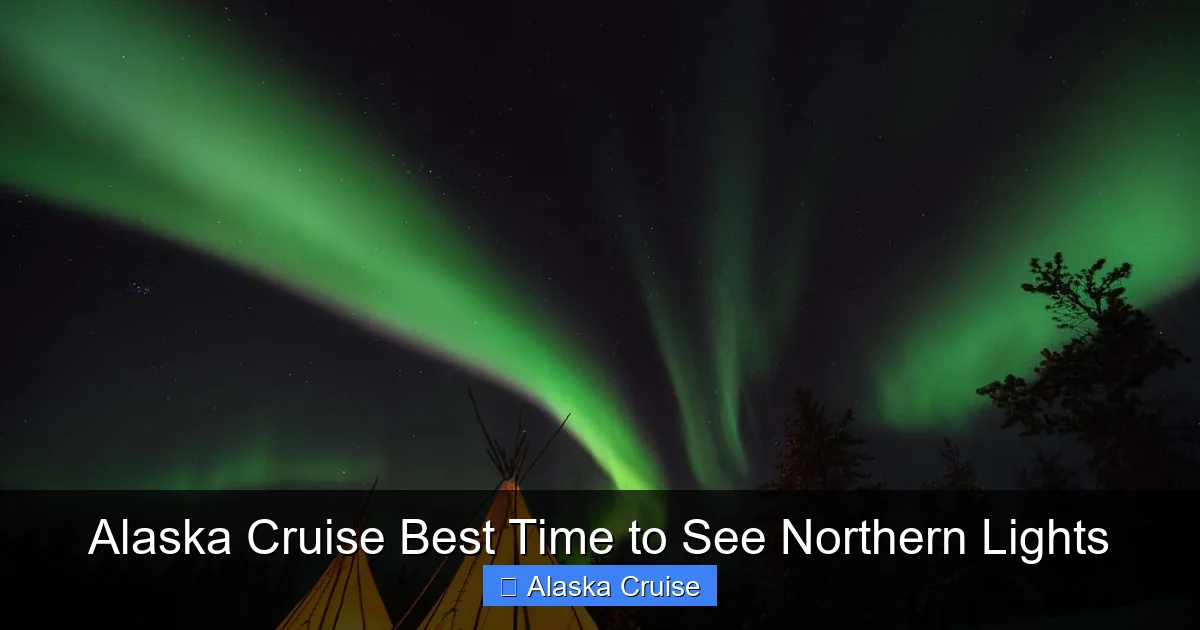
Visual guide about Alaska Cruise Best Time to See Northern Lights
Image source: theplanetd.com
So, when exactly should you go? The short answer: late August through mid-April. That’s when Alaska experiences true darkness at night, creating the ideal conditions for aurora viewing. But within that window, some months are better than others.
Peak Aurora Months: December to March
The heart of aurora season runs from December through March. During these months, nights are long—up to 20 hours of darkness in the far north—and the skies are often clear and cold. This is when the aurora is most active and visible. In fact, Fairbanks, one of Alaska’s top aurora destinations, sees the northern lights on average 243 nights per year, with the highest frequency between late August and early April.
December and January offer the longest nights, but they’re also the coldest, with temperatures often dipping below -20°F (-29°C). If you’re not prepared for extreme cold, this might not be the most comfortable time to visit. February and March strike a better balance: nights are still long, temperatures are slightly milder, and the chances of clear skies remain high. March, in particular, is a favorite among aurora chasers because it combines decent weather with strong solar activity as the planet tilts toward the sun.
Shoulder Seasons: August, September, and April
If you’re looking for a compromise between cruise availability and aurora chances, consider the shoulder months. Late August and early September offer the first real darkness of the season, with nights growing longer each week. While the aurora isn’t as frequent as in winter, solar storms can still produce stunning displays. Plus, you’ll avoid the deep freeze of midwinter.
April is another underrated month. The days are getting longer, but nights are still dark enough for aurora viewing, especially in the first half of the month. And because it’s just before the cruise season kicks into high gear, you’ll find fewer crowds and lower prices on accommodations and tours.
Why Summer Cruises Aren’t Ideal
Let’s be clear: if your sole goal is seeing the northern lights, a summer Alaska cruise (June–August) is not your best bet. In southern Alaska, sunset in June is around 10:30 PM, and sunrise is before 4:00 AM—meaning only about five hours of twilight, not true darkness. In the far north, the sun doesn’t set at all. Even if the aurora is active, you won’t see it.
That said, some cruise lines are starting to offer “shoulder season” departures in late August or early September. These cruises can be a great option if you time your trip right. For example, a cruise departing August 25 might still offer a few hours of darkness in northern ports like Skagway or Haines, especially if you’re near the end of the voyage. But your odds are still much lower than if you extended your trip with a land adventure.
Combining an Alaska Cruise with a Northern Lights Land Tour
The smartest way to see the northern lights on an Alaska trip? Pair your cruise with a pre- or post-cruise land tour. This strategy lets you enjoy the scenic beauty and wildlife of a summer cruise while maximizing your chances of seeing the aurora during the darker months.
Pre-Cruise Aurora Adventure
One popular option is to fly into Fairbanks 3–5 days before your cruise departure. Fairbanks is located under the “auroral oval,” a ring-shaped zone around the North Pole where aurora activity is most concentrated. It’s also one of the driest places in Alaska, with clear skies and minimal light pollution.
During your stay, you can take a guided aurora tour, visit the University of Alaska’s Geophysical Institute for real-time forecasts, or relax in a hot spring while waiting for the lights to appear. Many lodges offer wake-up calls when the aurora is active, so you don’t have to stay up all night. Some even have glass-roof cabins or aurora domes for cozy, uninterrupted viewing.
After a few nights in Fairbanks, you can take a scenic train ride or flight to Seward or Whittier—the departure points for most southbound cruises. This way, you start your trip with the northern lights and end with glaciers and whales.
Post-Cruise Aurora Extension
Alternatively, you can cruise first and then head inland after disembarking. This works well if your cruise ends in Seward or Whittier. From there, it’s a 5–6 hour drive (or a short flight) to Fairbanks or Denali National Park. Spending a few nights in Denali offers a different kind of aurora experience—think wide-open tundra, snow-dusted mountains, and the chance to see the lights reflected in frozen lakes.
Some travelers even combine both: a few days in Fairbanks before the cruise, then a return visit after. This “bookend” approach increases your odds of seeing the aurora while giving you a fuller taste of Alaska’s diverse landscapes.
Sample 2026 Itinerary: Cruise + Aurora Combo
Here’s a realistic 10-day itinerary for 2026:
– **Days 1–3:** Arrive in Fairbanks. Stay at an aurora-viewing lodge. Take a northern lights tour on Night 2. Visit the Museum of the North and soak in Chena Hot Springs.
– **Day 4:** Scenic train ride to Seward (6 hours). Overnight in Seward.
– **Days 5–9:** 5-day Alaska cruise (e.g., Holland America or Princess) visiting Glacier Bay, Juneau, Skagway, and Ketchikan.
– **Day 10:** Disembark in Vancouver or Seattle. Optional: Fly back to Fairbanks for one more aurora night before heading home.
This itinerary gives you the best of both worlds—cruise scenery and aurora chances—while working within the 2026 cruise schedule.
Top Locations for Viewing the Northern Lights in Alaska
Not all parts of Alaska are created equal when it comes to aurora viewing. While the lights can technically be seen across the state (and even in parts of Canada and Scandinavia), certain regions offer better conditions, longer viewing windows, and more reliable forecasts.
Fairbanks: The Aurora Capital of Alaska
Fairbanks is widely regarded as the best place in the world to see the northern lights. Located at 64°N latitude, it sits directly under the auroral oval and benefits from a dry, continental climate. The city also has a dedicated aurora forecast center and numerous tour operators specializing in northern lights experiences.
Popular spots around Fairbanks include Cleary Summit (a 20-minute drive north of the city), Chena Hot Springs (famous for its geothermal pools and aurora views), and the Chena River State Recreation Area. Many lodges offer aurora wake-up services, heated cabins, and photography workshops.
Denali National Park: Wilderness and Wonder
For a more remote experience, Denali National Park is hard to beat. With minimal light pollution and vast open spaces, it’s an ideal spot for aurora photography and quiet contemplation. The park is accessible via the Parks Highway, and several lodges near the entrance offer aurora packages.
Keep in mind that Denali is colder than Fairbanks in winter, and road access is limited after heavy snowfall. But if you’re up for the adventure, the combination of towering peaks and shimmering skies is unforgettable.
Anchorage and Southcentral Alaska: Possible, But Less Reliable
Anchorage, Alaska’s largest city, is not the best place to see the northern lights due to light pollution and frequent cloud cover. However, on clear, active nights, the aurora can be visible from the outskirts of town—especially in areas like Chugach State Park or along the Turnagain Arm.
If you’re cruising out of Whittier or Seward, you might catch a glimpse from the ship on a clear night in late August or early September. But don’t count on it. For serious aurora hunters, heading north is essential.
Remote Lodges and Wilderness Cabins
For the ultimate aurora experience, consider staying at a remote lodge or cabin. Places like the Aurora Ice Museum at Chena Hot Springs, the Kantishna Roadhouse near Denali, or the remote cabins along the Dalton Highway offer solitude, darkness, and front-row seats to the night sky.
These locations often include guided tours, warm shelters, and expert guides who know exactly when and where to go. Some even offer dog sledding or snowmobiling under the aurora—an experience you’ll never forget.
Practical Tips for Seeing the Northern Lights on Your Alaska Cruise
Seeing the northern lights isn’t just about timing and location—it’s also about preparation. Here are some practical tips to maximize your chances and make the experience as enjoyable as possible.
Check the Forecast
Before you travel, monitor aurora forecasts. Reliable sources include:
– The University of Alaska Fairbanks Aurora Forecast (gi.alaska.edu)
– The NOAA Space Weather Prediction Center (swpc.noaa.gov)
– Apps like My Aurora Forecast & Alerts or Aurora Forecast
Look for a KP index of 3 or higher and clear skies. A high KP with clouds? Not helpful. Clear skies with a low KP? Still worth watching—sometimes even weak activity produces beautiful displays.
Dress for the Cold
Even in September, nighttime temperatures in Alaska can drop below freezing. In winter, it’s brutally cold. Dress in layers: thermal base layers, fleece or wool mid-layers, and a windproof outer shell. Don’t forget insulated boots, gloves, a hat, and a scarf. Hand and foot warmers are a lifesaver.
Bring the Right Gear
If you’re planning to photograph the aurora, bring a tripod, a camera with manual settings, and extra batteries (cold drains them fast). Use a wide-angle lens and set your camera to manual mode with a long exposure (10–30 seconds), high ISO (800–3200), and a wide aperture (f/2.8 or lower).
For casual viewing, binoculars aren’t necessary—your eyes are best. But a red flashlight (to preserve night vision) and a thermos of hot cocoa can make the wait more comfortable.
Be Patient and Flexible
The northern lights are unpredictable. You might see a dazzling show on your first night, or you might wait three nights with nothing. Build in extra time, stay flexible, and enjoy the experience—whether the lights appear or not. Sometimes, the anticipation is part of the magic.
Book Early for 2026
With 2026 expected to be a peak year for solar activity, demand for northern lights tours and Alaska cruises will be high. Book your cruise and land extensions by late 2025 to secure the best cabins, flights, and tour availability. Many cruise lines offer early-bird discounts and package deals that include aurora tours.
Why 2026 Is the Perfect Year to Go
Solar cycles last about 11 years, and we’re approaching the peak of Solar Cycle 25 in 2025–2026. That means more frequent and intense solar storms, leading to stronger and more widespread auroral displays. Scientists predict that 2026 could be one of the best years in over a decade for seeing the northern lights.
Combine that with Alaska’s stunning landscapes, improving tourism infrastructure, and growing interest in sustainable travel, and you’ve got the perfect storm for an unforgettable adventure. Whether you’re a first-time cruiser or a seasoned aurora chaser, 2026 offers a rare opportunity to witness one of nature’s most spectacular shows in one of the world’s most beautiful places.
So don’t wait. Start planning your Alaska cruise and northern lights adventure today. With the right timing, location, and preparation, you could be standing under a sky alive with color—wondering why you didn’t do this sooner.
Frequently Asked Questions
Can you see the northern lights from an Alaska cruise ship?
It’s possible, but unlikely during peak cruise season (June–August) due to lack of darkness. Your best chance is on a late August or early September cruise, especially in northern ports. For reliable viewing, pair your cruise with a land tour in Fairbanks or Denali.
What month is best to see the northern lights in Alaska?
December through March offers the longest nights and highest aurora activity. February and March are ideal for balancing good weather with strong solar activity.
Do I need to book aurora tours in advance?
Yes, especially for 2026. Popular lodges and guided tours in Fairbanks and Denali fill up quickly. Book 6–12 months ahead for the best availability and rates.
What should I wear to see the northern lights?
Dress in layers: thermal underwear, fleece, a waterproof jacket, insulated boots, gloves, and a hat. Bring hand and foot warmers, especially in winter.
Can I photograph the northern lights with my phone?
Most smartphones can capture the aurora in night mode, but results vary. For best quality, use a DSLR or mirrorless camera with a tripod and manual settings.
Is it worth extending my cruise trip to see the northern lights?
Absolutely. While summer cruises offer amazing scenery, adding a few days in Alaska’s Interior dramatically increases your chances of seeing the aurora—making your trip truly unforgettable.