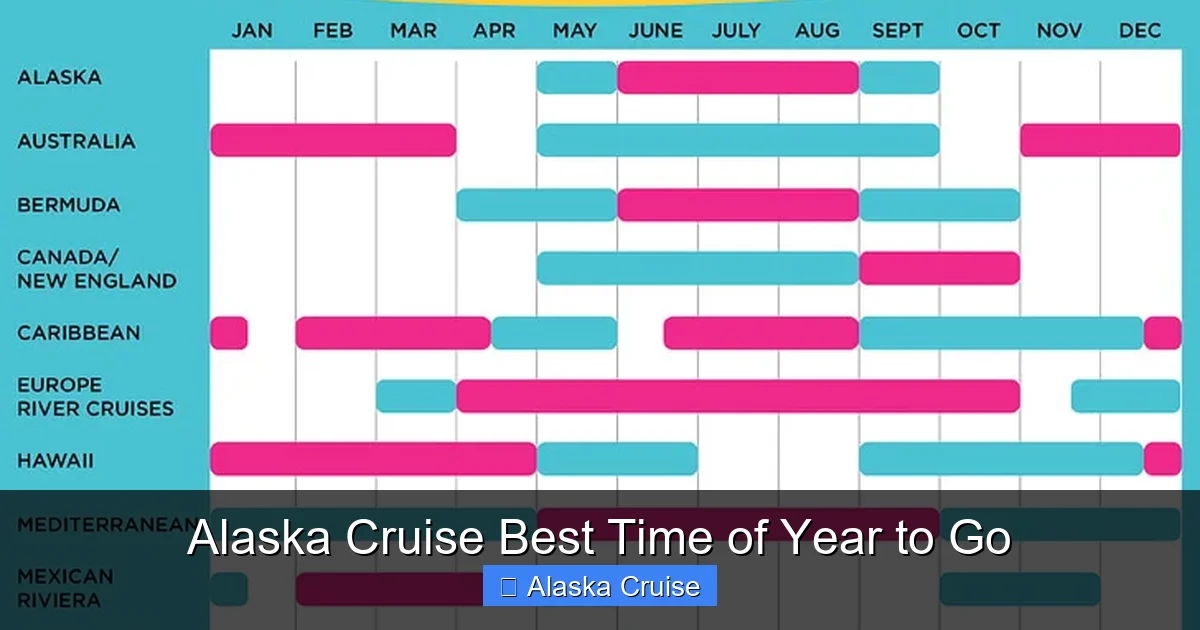
The Alaska cruise best time of year to go is typically from late May to early September, with peak season in June, July, and August offering the warmest weather, longest days, and best wildlife viewing. Each month brings unique experiences—from spring blooms and fewer crowds in May to vibrant fall colors and northern lights chances in September.
Dreaming of glaciers calving into icy fjords, bald eagles soaring above misty coastlines, and humpback whales breaching in emerald waters? An Alaska cruise delivers all this and more—but timing your trip right can make the difference between a good vacation and a life-changing adventure. With its vast wilderness, dramatic landscapes, and rich indigenous culture, Alaska is a destination that rewards thoughtful planning. Whether you’re a first-time cruiser or a seasoned traveler, knowing the Alaska cruise best time of year to go ensures you maximize your experience while avoiding common pitfalls like unpredictable weather or overcrowded ports.
Alaska’s cruise season is relatively short, running from mid-May to mid-September each year. Unlike tropical destinations that welcome visitors year-round, Alaska’s northern latitude means its ports and natural attractions are only accessible during the summer months when ice melts and daylight stretches into near-constant sunshine. This narrow window creates a sweet spot for travelers seeking mild weather, active wildlife, and open excursions—but it also means competition for cabins and tours can be fierce. In 2026, as interest in sustainable and immersive travel continues to grow, booking early and choosing the right month will be more important than ever.
So, when exactly is the Alaska cruise best time of year to go? The answer isn’t one-size-fits-all. It depends on your priorities: Are you chasing the northern lights? Want to see baby animals? Prefer cooler temps and fewer tourists? This guide breaks down each month of the cruise season, highlighting weather patterns, wildlife activity, crowd levels, and unique seasonal highlights to help you pick the perfect time for your 2026 Alaska adventure.
Key Takeaways
- Peak Season (June–August): Offers the most stable weather, full access to ports, and prime wildlife activity like whale watching and bear sightings.
- Shoulder Months (May & September): Provide fewer crowds, lower prices, and unique seasonal beauty—think blooming wildflowers or autumn foliage.
- Daylight Hours Increase Dramatically: By June, you’ll enjoy up to 18–20 hours of daylight, perfect for extended sightseeing and photography.
- Wildlife Viewing Varies by Month: May and June are ideal for bears and newborn calves; July and August offer peak whale migrations; September brings salmon runs and migrating birds.
- Weather Remains Cool Year-Round: Even in summer, pack layers—temperatures rarely exceed 70°F (21°C), and rain is common.
- Northern Lights Possible in September: While not guaranteed, late-season cruises may offer rare aurora borealis sightings under clear, dark skies.
- Book Early for 2026: Demand is rising post-pandemic—secure cabins and preferred itineraries 12–18 months in advance.
📑 Table of Contents
Understanding Alaska’s Cruise Season
Alaska’s cruise season is tightly bound to its climate and geography. The state’s southern coastal regions—where most cruises operate—experience a maritime climate influenced by the Pacific Ocean and the Gulf of Alaska. This means milder temperatures than inland areas, but also frequent rain and rapidly changing weather. The cruise season officially runs from mid-May to mid-September, with most major lines like Holland America, Princess, Royal Caribbean, and Norwegian offering weekly departures during this period.
The season is divided into three main phases: early season (May), peak season (June–August), and late season (September). Each phase offers distinct advantages and trade-offs. Early-season cruises benefit from lower prices and fewer crowds, but some ports may still have limited services or lingering snow. Peak season delivers optimal weather and full access to excursions, but also the highest prices and busiest ports. Late-season voyages offer stunning fall colors and potential aurora sightings, though daylight hours shrink and weather becomes less predictable.
One of the biggest draws of an Alaska cruise is the sheer amount of daylight. In June and July, the sun barely sets—Juneau sees up to 18 hours of daylight, while farther north in Skagway, it can feel like perpetual twilight. This extended daylight allows for longer shore excursions, evening wildlife tours, and unforgettable sunset views over glaciers. However, it also means your body clock may need adjusting—pack an eye mask if you’re sensitive to light while sleeping.
Another key factor is port accessibility. Some remote communities and national parks, like Glacier Bay and Tracy Arm Fjord, are only reachable by boat and may have limited docking space. During peak months, ships often arrive early in the morning to secure berths, so be prepared for early wake-up calls. Additionally, glacier calving activity tends to increase in warmer months, making July and August prime times for witnessing massive icefalls—though this also means more icebergs in the water, which can slow ship movement.
May: The Quiet Start to the Season

Visual guide about Alaska Cruise Best Time of Year to Go
Image source: alaskauncharted.com
May marks the beginning of Alaska’s cruise season, and it’s a time of renewal. As winter recedes, the landscape bursts into life with blooming wildflowers, rushing waterfalls from melting snow, and the return of migratory birds. For travelers seeking a more intimate experience, May offers the Alaska cruise best time of year to go if you value solitude and lower costs over perfect weather.
Temperatures in May average between 40°F and 60°F (4°C to 15°C), with cooler mornings and evenings. Rain is common, especially in Ketchikan and Juneau, so waterproof gear is essential. However, the upside is fewer crowds—ports like Skagway and Haines feel peaceful, and you’ll have more space on popular excursions like the White Pass & Yukon Route railway or whale-watching tours.
Wildlife activity picks up in May. Bears emerge from hibernation and can often be spotted along riverbanks feeding on early salmon runs. Humpback whales begin arriving in Alaska’s waters, though sightings are less frequent than in summer. Sea lions, otters, and bald eagles are commonly seen, and birdwatchers will delight in the return of puffins, murres, and other seabirds.
One unique advantage of a May cruise is the chance to experience Alaska’s cultural events. Many communities host spring festivals celebrating the end of winter, including traditional Tlingit and Haida dances, craft markets, and local food tastings. These events offer a deeper connection to the region’s indigenous heritage, which is often overshadowed during busier months.
Keep in mind that not all services are fully operational in May. Some small shops, restaurants, and tour operators may not open until June, so flexibility is key. Additionally, glacier viewing can be limited due to lingering ice, though this also means fewer cruise ships in popular fjords, giving you a more serene experience.
June: Peak Wildlife and Long Days
June is widely considered one of the Alaska cruise best time of year to go, especially for families and first-time visitors. The weather stabilizes, daylight reaches its peak, and wildlife activity hits a high note. With average temperatures ranging from 50°F to 65°F (10°C to 18°C), it’s warm enough for light layers but still cool enough to enjoy outdoor adventures without overheating.
One of June’s biggest draws is the abundance of daylight. In early June, the sun sets around 10 p.m. in Juneau and doesn’t rise again until after 4 a.m.—giving you nearly 18 hours of usable light. This allows for extended shore excursions, evening glacier tours, and even midnight wildlife cruises. Many travelers find they can pack more into their day without feeling rushed.
Wildlife viewing is exceptional in June. Humpback whales are now abundant in areas like Icy Strait and Stephens Passage, often seen breaching or feeding in groups. Orcas and minke whales also make appearances. On land, brown bears are frequently spotted in places like Admiralty Island and Pack Creek, where they feed on salmon and berries. Birdlife is vibrant, with puffins nesting on coastal cliffs and eagles perched in tall spruce trees.
Glacier activity is also at its peak. Warmer temperatures cause increased calving, meaning you’re more likely to witness massive chunks of ice breaking off and crashing into the sea. Popular stops like Glacier Bay National Park and Hubbard Glacier offer front-row seats to these natural spectacles. Just be prepared for cooler air near the glaciers—even in summer, temperatures can drop significantly.
June also marks the start of the salmon run, which attracts bears, eagles, and fishermen alike. In Ketchikan, you can visit fish hatcheries or take a guided fishing tour. In Haines, the annual Bald Eagle Festival (usually in late June) celebrates the region’s thriving eagle population with educational programs and photography workshops.
Crowds begin to increase in June, especially on popular routes like the Inside Passage. Booking excursions in advance is highly recommended, as whale-watching and bear-viewing tours fill up quickly. However, the atmosphere remains lively but manageable—far from the congestion of July and August.
July: The Heart of Summer
July is the busiest and most popular month for Alaska cruises, and for good reason. It’s the warmest month of the season, with average temperatures between 55°F and 70°F (13°C to 21°C), and offers the most reliable weather. For many, this is the Alaska cruise best time of year to go if you want guaranteed sunshine, full port access, and maximum activity.
With schools on summer break and families eager to travel, July sees the highest number of cruise passengers. Ports like Juneau, Ketchikan, and Skagway can feel bustling, especially on days when multiple ships dock. However, this also means more tour options, extended hours at museums and shops, and a vibrant atmosphere in coastal towns.
Wildlife remains abundant. Humpback whales are now in full force, often seen lunge-feeding or bubble-net feeding in groups. Orcas are frequently spotted near the surface, and sea otters float on their backs in kelp beds. On land, bears are active in coastal areas, and moose can be seen in wetland regions near Haines and Gustavus.
July is also prime time for outdoor adventures. Hiking trails in Tongass National Forest are clear of snow, and guided tours to Mendenhall Glacier or the Chilkat River are in full swing. Kayaking among icebergs, ziplining through rainforest canopies, and dog sledding on glaciers (via helicopter tours) are all popular excursions.
One downside of July is the cost. Cruise fares, flights, and excursions are at their highest, and availability can be limited. Booking at least 12–18 months in advance is strongly advised for 2026. Additionally, some remote areas may feel crowded, especially during peak whale-watching hours.
Despite the crowds, July offers an unmatched energy. Evening events in ports, live music, and local festivals create a festive vibe. It’s also a great time for photography, with soft golden light during the long evenings and dramatic cloud formations over the mountains.
August: Warm Weather and Final Wildlife Surges
August continues the summer momentum, with warm weather and active wildlife, though crowds begin to thin slightly toward the end of the month. Temperatures remain similar to July, averaging 55°F to 68°F (13°C to 20°C), and daylight hours start to shorten—though you’ll still enjoy 16+ hours of light in early August.
This month is ideal for travelers who want the benefits of peak season without the July rush. Many families have returned home, and retirees or off-season travelers take advantage of slightly lower prices and quieter ports. It’s still considered the Alaska cruise best time of year to go for those prioritizing weather and wildlife.
Whale activity remains strong, especially in the first half of the month. Humpbacks are still feeding heavily before their southward migration. Orcas become more visible as they follow salmon runs. On land, bears are busy fattening up for winter, and salmon are abundant in rivers and streams.
August also offers excellent glacier viewing. With summer melt in full effect, fjords are filled with icebergs, and calving events are frequent. Hubbard Glacier, one of the most active in North America, is particularly impressive this time of year.
One unique August highlight is the start of the fall color change. While not as dramatic as in September, you may notice hints of gold and red in the birch and aspen trees, especially in inland areas like Skagway. This adds a new layer of beauty to the landscape.
Excursions remain widely available, and many tour operators offer last-minute deals as the season winds down. It’s a great time to book premium experiences like helicopter tours or private wildlife charters at a slight discount.
September: Fall Colors and Northern Lights
September marks the end of the cruise season, but it’s a magical time to visit. As summer fades, Alaska transforms into a canvas of gold, red, and orange. For travelers seeking a quieter, more reflective experience, September may be the Alaska cruise best time of year to go.
Temperatures cool to 45°F–60°F (7°C–15°C), and rain becomes more frequent. However, the crisp air and changing foliage create a stunning backdrop for photography and quiet exploration. Daylight drops to around 12–14 hours by late September, but the soft, angled light enhances the natural beauty.
Wildlife activity shifts in September. Salmon runs peak, drawing bears, eagles, and fishermen to rivers. Migratory birds begin their journey south, and whales start moving toward warmer waters. While sightings may be less frequent, the ones you do see feel more intimate and wild.
One of September’s biggest draws is the chance to see the northern lights. As nights grow longer and darker, the aurora borealis becomes possible, especially in northern ports like Skagway and Haines. While not guaranteed, clear, moonless nights offer the best viewing opportunities.
Cruise ships begin departing earlier in the month, and by mid-September, many lines have concluded their Alaska itineraries. This means fewer crowds, lower prices, and a more peaceful atmosphere. It’s also a great time to connect with locals, as many Alaskans are winding down their tourist season and may offer personal insights into life in the Last Frontier.
Packing Tips for Any Month
No matter when you go, packing smart is essential for an Alaska cruise. The key is layers. Even in summer, temperatures can vary widely between the ship, shore, and glacier areas. A waterproof jacket, fleece mid-layer, and moisture-wicking base layers are must-haves. Don’t forget a warm hat, gloves, and sturdy walking shoes.
Binoculars are highly recommended for wildlife viewing, and a good camera with a zoom lens will help capture distant whales and bears. An eye mask can help with the extended daylight, and earplugs may be useful if your cabin is near noisy public areas.
Conclusion
Choosing the Alaska cruise best time of year to go in 2026 depends on your travel style and priorities. May offers solitude and spring beauty, June delivers peak wildlife and long days, July provides the warmest weather and fullest access, August balances activity with fewer crowds, and September rewards with fall colors and aurora potential. Each month has its own magic—so consider what matters most to you, book early, and prepare for an unforgettable journey through one of the world’s last great wildernesses.
Frequently Asked Questions
What is the best month for an Alaska cruise?
The best month depends on your preferences, but June, July, and August are considered peak season for good reason—they offer the warmest weather, longest days, and best wildlife viewing. For fewer crowds and lower prices, consider May or September.
Can you see the northern lights on an Alaska cruise?
Yes, but only in September when nights are longer and darker. The aurora borealis is not guaranteed, but clear, moonless nights in northern ports like Skagway offer the best chances.
Is it cold on an Alaska cruise in summer?
It’s cool, not cold. Summer temperatures range from 50°F to 70°F (10°C to 21°C). Pack layers, including a waterproof jacket, as rain and wind are common.
Are there bears on Alaska cruises?
Yes, especially in May, June, and September when they’re active along rivers and coastlines. Bear-viewing excursions are available in places like Pack Creek and Admiralty Island.
Do I need to book excursions in advance?
Yes, especially for popular activities like whale watching, bear viewing, and helicopter tours. These often sell out months in advance, particularly in peak season.
What should I pack for an Alaska cruise?
Pack layers, waterproof gear, sturdy shoes, binoculars, and a camera. Include a warm hat and gloves, even in summer, as it can get chilly near glaciers and on deck.