An Alaska cruise in 2026 offers breathtaking scenery, incredible wildlife, and immersive cultural experiences. From glacier calving in Juneau to whale watching in Ketchikan, this guide covers the Alaska cruise best things to do for an unforgettable adventure.
Key Takeaways
- Witness Glacier Calving: Visit iconic glaciers like Mendenhall and Hubbard for awe-inspiring ice displays and photo opportunities.
- Spot Wildlife in Their Habitat: See humpback whales, orcas, sea otters, and bald eagles during guided excursions and from the ship.
- Explore Native Alaskan Culture: Learn about Tlingit, Haida, and Tsimshian traditions through performances, museums, and local artisans.
- Enjoy Scenic Rail Rides: Take the Alaska Railroad from Seward or Whittier for panoramic mountain and fjord views.
- Hike and Kayak in Pristine Wilderness: Access remote trails and calm waters for up-close encounters with nature.
- Experience Small-Town Charm: Discover historic ports like Skagway and Haines with gold rush history and local flavor.
- Maximize Your Itinerary: Choose a 7–10 day cruise with diverse ports to balance relaxation and adventure.
[FEATURED_IMAGE_PLACEHOLDER]
Why an Alaska Cruise in 2026 Is a Must-Do Adventure
Imagine waking up to misty fjords, snow-capped peaks, and the sound of ice cracking in the distance. That’s the magic of an Alaska cruise—a journey where nature takes center stage. In 2026, cruising to Alaska is more accessible and immersive than ever, with updated ships, eco-friendly practices, and expanded excursion options. Whether you’re a first-time cruiser or a seasoned traveler, Alaska offers a one-of-a-kind experience that blends adventure, relaxation, and cultural discovery.
Unlike typical beach vacations, an Alaska cruise is all about the journey as much as the destination. As your ship glides through narrow channels like the Inside Passage, you’ll pass towering cliffs, cascading waterfalls, and dense temperate rainforests. Each port brings new wonders: glaciers that calve into the sea, towns steeped in gold rush history, and wildlife that thrives in this remote wilderness. With longer daylight hours in the summer months and mild weather, 2026 is the perfect time to explore this northern frontier.
Top Alaska Cruise Ports and What to Do There
Alaska cruises typically visit 4–6 ports, each offering unique experiences. While itineraries vary by cruise line, most include stops in Juneau, Skagway, Ketchikan, and either Seward or Whittier. Here’s a breakdown of the Alaska cruise best things to do in each destination.
Juneau: The Capital City with Wild Heart
As Alaska’s capital, Juneau is accessible only by boat or plane—making it a true frontier town. Nestled between the Gastineau Channel and coastal mountains, Juneau blends urban charm with untamed nature. One of the top attractions is the Mendenhall Glacier, located just 12 miles from downtown. This 13-mile-long glacier is one of the few you can reach by car, and it’s a must-see for any Alaska cruise traveler.
At the glacier, you can walk the trails, visit the visitor center, or take a guided ice trek. For a more adventurous experience, book a helicopter tour that lands on the glacier itself. You’ll step onto ancient ice, surrounded by crevasses and blue meltwater pools. Back in town, don’t miss the Alaska State Museum, which showcases Native artifacts, gold rush history, and marine life exhibits.
Whale watching is another Juneau highlight. Humpback whales migrate through these waters from May to September, feeding on herring and krill. Companies like Harv’s Air and Juneau Whale Watching offer 3–4 hour tours with naturalist guides. You might see breaching, tail slapping, or even a rare orca pod. Pro tip: Bring binoculars and a waterproof jacket—Juneau is known for its rain!
Skagway: Step Back into the Gold Rush Era
Skagway feels like a living museum. With its wooden boardwalks, false-front buildings, and historic saloons, this town transports you to the late 1800s when thousands of prospectors passed through on their way to the Klondike Gold Rush. Today, Skagway is a National Historic Landmark, and much of the town is preserved as part of the Klondike Gold Rush National Historical Park.
One of the Alaska cruise best things to do in Skagway is ride the White Pass & Yukon Route Railway. This narrow-gauge railroad climbs 2,865 feet in just 20 miles, offering jaw-dropping views of waterfalls, gorges, and mountain peaks. The train ride takes about 3 hours round-trip and includes a narrated history of the gold rush. It’s a smooth, scenic journey that’s great for all ages.
For outdoor enthusiasts, Skagway offers hiking, ziplining, and dog sledding. The Chilkoot Trail, once used by gold seekers, is now a challenging but rewarding hike. If you prefer something faster, try a zipline tour through the forest canopy. In winter, some operators offer dog sledding on frozen lakes—though this is less common in summer months. Skagway is also a great place to shop for handmade Alaskan crafts, including Tlingit carvings and beadwork.
Ketchikan: The Salmon Capital of the World
Known as the “Salmon Capital of the World,” Ketchikan is a colorful waterfront town built on stilts over the Tongass Narrow. It’s the first port for many southbound cruises and a favorite for its vibrant arts scene and rich Native heritage. Ketchikan is home to the largest collection of standing totem poles in the world, many of which are displayed at Totem Bight State Historical Park.
At Totem Bight, you can walk among towering cedar poles that tell stories of clans, legends, and spiritual beliefs. The park also features a traditional clan house and offers cultural performances by local Native dancers. For a deeper dive, visit the Saxman Native Village, where you can watch totem pole carving and learn about Tlingit traditions.
Ketchikan is also a prime spot for wildlife and nature lovers. Take a guided kayak tour through the calm waters of the Tongass Narrows, where you might spot sea lions, harbor seals, and bald eagles. Or hop on a floatplane for a scenic flight over the Misty Fjords National Monument—a dramatic landscape of sheer cliffs, waterfalls, and deep canyons. If you’re a fishing fan, consider a half-day charter to catch salmon or halibut.
Seward and Whittier: Gateway to Kenai Fjords
While not all cruises stop here, Seward and Whittier are key departure points for Alaska cruise itineraries that include the Gulf of Alaska. Both towns offer access to Kenai Fjords National Park, one of the most spectacular wilderness areas in the state. From Seward, you can take a day cruise into the park to see glaciers, fjords, and marine wildlife.
The highlight of a Kenai Fjords tour is often Aialik Glacier, a tidewater glacier that calves frequently, sending massive ice chunks into the sea. These tours also offer excellent chances to see sea otters, puffins, and even whales. Some operators include a stop at a sea lion haul-out or a seabird rookery. For a more active experience, try a kayaking tour that paddles near the glacier’s face—just keep a safe distance!
Whittier, on the other hand, is known for its unique access via the Anton Anderson Memorial Tunnel—the longest highway tunnel in North America that also carries rail traffic. From Whittier, you can take the Alaska Railroad to Anchorage or continue to Seward. The train ride offers stunning views of Portage Glacier and the surrounding Chugach Mountains. It’s a relaxing way to see more of Alaska’s interior without leaving the comfort of a train car.
Wildlife Encounters: Alaska’s Natural Wonders
One of the biggest draws of an Alaska cruise is the chance to see wildlife in its natural habitat. From the deck of your ship or during shore excursions, you’ll have opportunities to spot some of the most iconic animals on the planet. The key is knowing where and when to look.
Whales: Giants of the Deep
Humpback whales are the stars of Alaska’s marine scene. These acrobatic creatures are known for breaching, tail slapping, and singing complex songs. They feed in Alaskan waters from late spring to early fall, making summer cruises the best time to see them. Orcas, or killer whales, are also common, especially in areas like Frederick Sound and the waters near Juneau.
Many cruise lines partner with local whale-watching companies to offer guided excursions. These tours often include hydrophones so you can listen to whale calls underwater. Some ships even have onboard naturalists who point out wildlife and explain their behavior. If you’re lucky, you might see a “superpod”—a large group of whales feeding together.
Bears, Eagles, and More
On land, Alaska is home to brown bears, black bears, moose, and Dall sheep. While spotting a bear from a cruise ship is rare, you can see them during shore excursions. Popular bear-viewing destinations include Pack Creek on Admiralty Island (near Juneau) and Brooks Falls in Katmai National Park (accessible by flight from King Salmon).
Bald eagles are everywhere in Alaska—over 30,000 nest in the state. You’ll see them perched on trees, soaring over fjords, or diving for fish. Sea otters are another common sight, often floating on their backs with pups on their chests. Puffins, with their colorful beaks, nest on coastal cliffs and can be seen on boat tours to remote islands.
Birdwatching and Marine Life
Alaska is a birdwatcher’s paradise. In addition to eagles and puffins, you might spot cormorants, gulls, and sandhill cranes. The coastal rainforests are also home to Sitka black-tailed deer and river otters. For a closer look, consider a guided nature walk or a visit to a wildlife refuge.
Cultural Experiences: Connecting with Native Alaskan Heritage
Alaska’s Indigenous peoples—including the Tlingit, Haida, Tsimshian, Yup’ik, and Iñupiat—have lived in harmony with this land for thousands of years. An Alaska cruise is a great opportunity to learn about their cultures, traditions, and contemporary lives.
Totem Poles and Storytelling
Totem poles are more than art—they’re family histories, spiritual symbols, and community records. Each pole tells a story through carved figures like ravens, bears, and thunderbirds. At cultural centers like the Totem Heritage Center in Ketchikan or the Alaska Native Heritage Center in Anchorage, you can watch carvers at work and hear oral histories from elders.
Traditional Performances and Art
Many ports feature Native dance performances, where dancers wear regalia and tell stories through movement and song. These events are often held at cultural centers or during cruise ship events. You can also shop for authentic Native art, including hand-carved masks, jewelry, and woven baskets. Look for the Silver Hand logo, which guarantees authenticity.
Modern Indigenous Life
Today’s Native Alaskans are leaders in conservation, education, and tourism. Many communities run eco-tours, cultural lodges, and artisan cooperatives. By supporting these businesses, you help preserve traditions and empower local economies. Some cruise lines now offer “cultural immersion” excursions that include meals with local families or visits to tribal museums.
Adventure Activities: Get Active on Your Alaska Cruise
An Alaska cruise isn’t just about relaxing on deck—it’s also a chance to get outside and explore. Whether you’re hiking a glacier, kayaking through fjords, or riding a train through the mountains, there’s no shortage of adventure.
Glacier Hiking and Ice Climbing
For the ultimate icy experience, try a guided glacier hike. Companies like Alaska Icefield Expeditions offer half-day treks on the Matanuska Glacier (near Palmer) or the Mendenhall Glacier. You’ll wear crampons and use ice axes to navigate crevasses and blue ice caves. It’s challenging but safe with expert guides.
Kayaking and Paddleboarding
Kayaking is a peaceful way to explore Alaska’s coastline. Many ports offer guided tours that paddle through calm bays, past sea stacks, and near wildlife. Stand-up paddleboarding is also gaining popularity, especially in protected coves. Some tours include a stop for a picnic on a remote beach.
Ziplining and ATV Tours
For a thrill, try a zipline tour through the rainforest canopy. Skagway and Ketchikan both offer multi-line courses with views of mountains and waterfalls. ATV tours are another option, taking you off-road through forests and along scenic trails. These are great for small groups or families.
Fishing and Dog Sledding
Alaska is famous for its salmon and halibut fishing. Many ports offer half-day charters with all gear provided. Even if you’re not an angler, it’s fun to watch the catch and learn about sustainable fishing practices. In winter, dog sledding is a must—though summer options are limited, some kennels offer wheeled cart rides or visits to musher camps.
Tips for Making the Most of Your Alaska Cruise in 2026
To ensure your Alaska cruise is unforgettable, plan ahead and pack smart. Here are some practical tips based on 2026 trends and traveler feedback.
Choose the Right Cruise Line and Itinerary
Different cruise lines offer different experiences. Luxury lines like Seabourn and Silversea focus on small ships and personalized service. Mainstream lines like Holland America and Princess offer longer itineraries and more shore excursions. Adventure-focused lines like UnCruise Adventures specialize in active, eco-friendly trips.
Look for a 7–10 day cruise that includes a mix of ports and sea days. Round-trip cruises from Seattle or Vancouver are convenient, but one-way cruises from Seattle to Seward (or vice versa) offer more time in Alaska and access to the Gulf of Alaska. In 2026, expect more ships with hybrid engines and reduced emissions, aligning with Alaska’s environmental goals.
Pack for All Weather
Alaska’s weather is unpredictable. Even in summer, temperatures can range from 40°F to 70°F. Layering is key: bring a waterproof jacket, fleece, thermal base layers, and sturdy hiking shoes. Don’t forget sunglasses, sunscreen, and a hat—glare off the water and ice can be intense.
Book Excursions Early
Popular tours like whale watching, glacier hikes, and train rides sell out quickly. Book your excursions as soon as your cruise is confirmed—many lines allow online booking 60–90 days in advance. Consider booking directly with local operators for better prices and more flexibility.
Respect the Environment and Local Communities
Alaska’s ecosystems are fragile. Follow Leave No Trace principles: stay on trails, don’t feed wildlife, and dispose of waste properly. Support local businesses and buy authentic Native art. Avoid single-use plastics and choose eco-friendly tour operators.
Capture the Moment—But Be Present
While photos are great, don’t let your camera distract you from the experience. Put the phone down during wildlife sightings, cultural performances, and quiet moments on deck. Some of the best memories come from simply watching the sunset over a glacier or chatting with a local artisan.
Conclusion: Why Alaska Should Be on Your 2026 Bucket List
An Alaska cruise in 2026 is more than a vacation—it’s a journey into one of the last great wildernesses on Earth. From the thunder of calving glaciers to the quiet grace of a bald eagle in flight, every moment feels magical. Whether you’re drawn by the scenery, the wildlife, or the culture, Alaska delivers an experience that stays with you long after you return home.
With improved ships, expanded excursions, and a growing focus on sustainability, now is the perfect time to explore this northern frontier. So pack your bags, bring your sense of wonder, and get ready for the Alaska cruise best things to do. Adventure awaits.
FAQs
What is the best time to take an Alaska cruise in 2026?
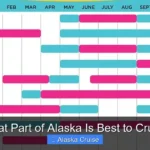
The best time for an Alaska cruise is from late May to early September. During these months, the weather is milder, daylight hours are long, and wildlife is most active. July and August are peak season, so book early for the best cabins and excursions.
Do I need a passport for an Alaska cruise?
If your cruise departs and returns to the same U.S. port (like Seattle or Vancouver), a passport is not required—but it’s highly recommended. For one-way cruises or international stops, a passport is mandatory. Check your cruise line’s requirements before traveling.
Can I see the Northern Lights on an Alaska cruise?
The Northern Lights (aurora borealis) are rarely visible during summer cruises due to nearly 24-hour daylight. For the best chance to see them, consider a fall or winter land tour in interior Alaska, such as Fairbanks or Denali.
Are Alaska cruels family-friendly?
Yes! Many cruise lines offer kids’ clubs, family excursions, and educational programs. Activities like train rides, wildlife tours, and cultural shows appeal to all ages. Choose a family-friendly line like Disney Cruise Line or Royal Caribbean for added amenities.
How much should I budget for shore excursions?
Shore excursions typically range from $50 to $300 per person, depending on the activity. Whale watching, glacier hikes, and train rides are on the higher end. Budget at least $200–$400 per person for a 7-day cruise to cover a few key experiences.
Is it safe to travel to Alaska in 2026?
Yes, Alaska is a safe destination for travelers. Crime rates in port towns are low, and natural hazards are well-managed. Always follow local guidelines, stay with your group during excursions, and be aware of wildlife safety, especially around bears.
This is a comprehensive guide about alaska cruise best things to do.
Key Takeaways
- Understanding alaska cruise best things to do: Provides essential knowledge
Frequently Asked Questions
What is alaska cruise best things to do?
alaska cruise best things to do is an important topic with many practical applications.