
Planning an Alaska cruise in 2026? The best season runs from late May to early September, offering mild weather, long daylight hours, and peak wildlife activity. Whether you’re chasing glaciers, bears, or the northern lights, timing your trip right ensures an unforgettable experience.
Dreaming of icy fjords, towering glaciers, and wild bears roaming along rugged coastlines? An Alaska cruise is one of the most awe-inspiring ways to experience the Last Frontier. But with a short cruising season and dramatic seasonal shifts, choosing the right time to go can make or break your adventure. If you’re planning an Alaska cruise in 2026, you’re in luck—this guide will walk you through everything you need to know about the Alaska cruise best season, from weather patterns and wildlife activity to crowd levels and must-see events.
Alaska’s cruising season is relatively brief, typically running from mid-May to mid-September. Unlike tropical destinations that welcome visitors year-round, Alaska’s extreme climate limits ship operations to a narrow window when conditions are safest and most enjoyable. During this time, cruise lines like Holland America, Princess, Royal Caribbean, and Norwegian Cruise Line offer a range of itineraries—from 7-day Inside Passage routes to 14-day Gulf of Alaska voyages that venture as far north as Glacier Bay and Hubbard Glacier.
But not all months are created equal. While the entire season offers stunning scenery, each month brings its own unique advantages and trade-offs. Whether you’re a first-time cruiser or a seasoned traveler, understanding the nuances of timing can help you maximize your experience. From the midnight sun of June to the crisp, quiet beauty of September, let’s dive into the details so you can pick the perfect window for your 2026 Alaska cruise.
Key Takeaways
- Best Time to Cruise: Late May to early September offers the most favorable weather, calmer seas, and full access to ports and excursions.
- Wildlife Viewing Peaks: June and July are ideal for spotting whales, bears, and migratory birds in their natural habitats.
- Glacier Visibility: July and August provide the clearest views of glaciers like Hubbard and Mendenhall due to stable weather and reduced ice.
- Northern Lights Possibility: Late August and early September offer a slim chance to see the aurora borealis, especially on northern routes.
- Crowd Levels: July is the busiest month—book early for better cabin selection and pricing; May and September offer fewer crowds.
- Daylight Hours: Enjoy up to 18–20 hours of daylight in June, perfect for extended sightseeing and photography.
- Packing Tips: Layered clothing is essential year-round—temperatures vary widely, even in summer.
📑 Table of Contents
Understanding Alaska’s Cruising Season
Alaska’s cruise season is tightly aligned with the region’s short but intense summer. The season officially kicks off in mid-May and wraps up by mid-September, with the majority of ships operating between June and August. This timing isn’t arbitrary—it’s carefully planned around weather, daylight, wildlife migration, and port accessibility.
One of the biggest factors influencing the season is sea ice. In early spring, much of the Inside Passage and northern waters are still frozen or clogged with ice floes, making navigation dangerous. By late May, however, the ice has largely melted, and ports like Juneau, Ketchikan, and Skagway are fully operational. Similarly, glaciers like Mendenhall and Hubbard become more accessible as warmer temperatures reduce calving activity and improve visibility.
Another key consideration is daylight. During the peak summer months, Alaska experiences near-constant daylight. In June, cities like Anchorage and Fairbanks see up to 19 hours of sunlight per day, with the sun barely dipping below the horizon. This “midnight sun” phenomenon allows for extended sightseeing, late-evening excursions, and incredible photo opportunities—even at 11 p.m.
Weather also plays a major role. While Alaska is often associated with cold and snow, summer temperatures are surprisingly mild. Coastal regions, where most cruises operate, typically range from 50°F to 70°F (10°C to 21°C) during the day. However, temperatures can drop quickly, especially on the water or at higher elevations, so packing layers is essential.
Why the Season is Short
Alaska’s brief cruising season is a direct result of its subarctic climate. Winters are long, harsh, and dark, with temperatures often plunging below freezing and daylight lasting only a few hours. By October, storms become more frequent, and many ports begin closing for the winter. Ships return to warmer climates, and the region shifts into hibernation mode.
This short window means demand is high—especially during peak months. Cruise lines often sell out months in advance, particularly for popular routes like the 7-day Glacier Bay itinerary. If you’re flexible with dates, traveling in May or September can offer significant savings and a more relaxed experience.
How Cruise Lines Plan Their Schedules
Major cruise lines carefully stagger their Alaska deployments to maximize efficiency and passenger satisfaction. For example, Princess Cruises often starts its season in late May with ships repositioning from the Caribbean or California. Holland America focuses on longer, more immersive itineraries, often including multiple glacier stops and cultural experiences in native villages.
In 2026, expect to see continued growth in expedition-style cruises—smaller ships that venture into remote areas like the Arctic Circle or the remote wilderness of the Gulf of Alaska. These cruises often operate slightly earlier or later in the season, taking advantage of unique wildlife patterns and fewer crowds.
Weather Patterns by Month
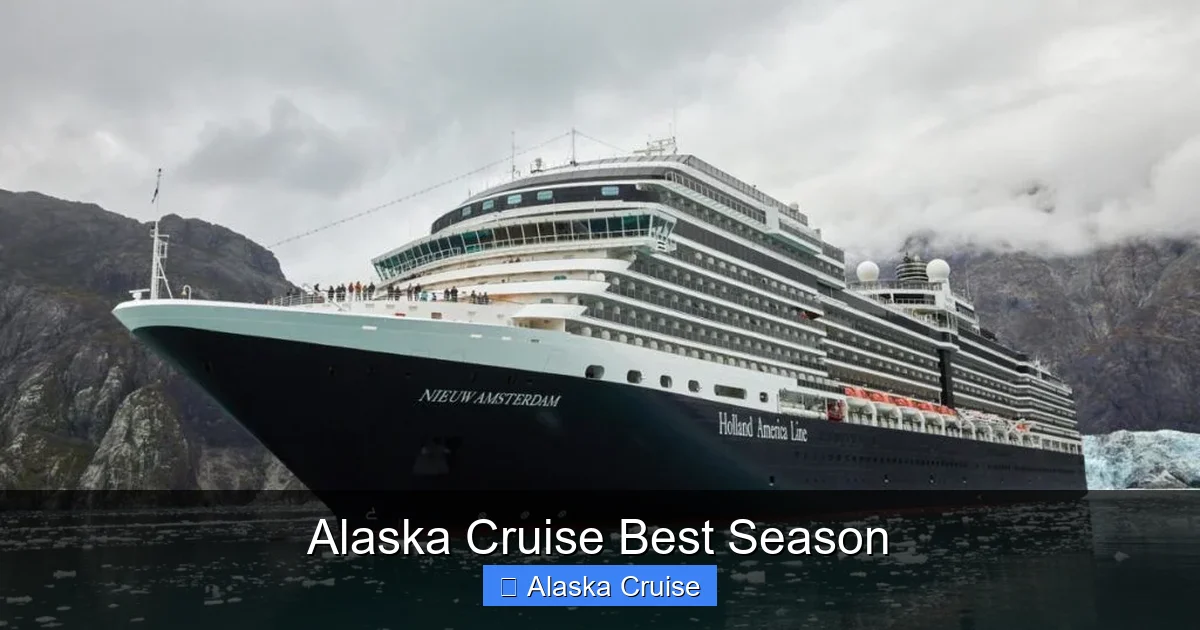
Visual guide about Alaska Cruise Best Season
Image source: eatsleepcruise.com
One of the most important factors in choosing your Alaska cruise date is the weather. While Alaska is known for its rugged beauty, it’s also famous for its unpredictable conditions. Understanding monthly weather trends can help you pack appropriately and set realistic expectations.
May: The Quiet Start
May marks the beginning of the cruise season, and it’s a time of transition. Temperatures are cooler, ranging from 40°F to 60°F (4°C to 15°C), and rain is common—especially in coastal towns like Ketchikan, which receives over 150 inches of rainfall annually. However, May offers a unique advantage: fewer crowds and lower prices.
This is also a great time for photographers. The landscape is lush and green, waterfalls are at their peak flow from snowmelt, and the light is soft and golden. Wildlife is active, though not yet at its summer peak. You might spot black bears emerging from hibernation or bald eagles nesting along the coast.
One downside? Some excursions may be limited due to lingering snow or trail conditions. For example, hiking tours in Tongass National Forest might be restricted, and glacier walks could be closed. Still, for travelers seeking a quieter, more intimate experience, May is a hidden gem.
June: The Golden Month
June is often considered the sweet spot for Alaska cruises. The weather is mild, with daytime highs averaging 55°F to 65°F (13°C to 18°C), and rainfall decreases compared to May. This is also when daylight reaches its peak—up to 18–20 hours in some areas—giving you more time to explore.
Wildlife viewing is excellent in June. Humpback whales begin arriving in large numbers, and orcas are frequently spotted near Icy Strait Point. On land, brown bears are active along salmon streams, and migratory birds fill the skies. It’s also a great time for whale-watching tours, kayaking, and flightseeing over glaciers.
Ports are fully operational, and most excursions are available. However, June is also when crowds start to build. If you’re looking for a balance between great weather and manageable crowds, aim for early June.
July: Peak Season Energy
July is the busiest and most popular month for Alaska cruises. Families take advantage of summer break, and cruise lines operate at full capacity. Temperatures are at their warmest, often reaching 60°F to 70°F (15°C to 21°C), and the weather is generally stable.
This is prime time for glacier viewing. Hubbard Glacier, one of the most active tidewater glaciers in North America, is especially impressive in July, with frequent calving events sending massive ice blocks crashing into the sea. Mendenhall Glacier near Juneau is also highly accessible, and the visitor center is bustling with activity.
Wildlife is abundant. Whale-watching tours report high success rates, and bear viewing excursions in places like Admiralty Island are at their best. However, July also means higher prices and packed ports. If you’re traveling with kids or prefer a lively atmosphere, July is ideal. But if you value solitude, consider an alternative month.
August: A Balanced Choice
August offers many of the same benefits as July—great weather, full excursion availability, and excellent wildlife—but with slightly fewer crowds. Families begin returning home in mid-August, so ships and ports feel less congested.
This is also a fantastic time for photography. The light softens as the month progresses, and the landscape begins to show hints of autumn color. Salmon runs peak in August, attracting bears, eagles, and fishermen alike. It’s a great time for cultural experiences, such as visiting native Tlingit villages or attending a traditional dance performance.
One unique advantage of August? The northern lights. While rare this far south, some northern routes—especially those extending to Seward or Whittier—offer a slim chance of aurora sightings on clear, dark nights.
September: The Quiet Farewell
September marks the end of the cruise season, and it’s a time of transition. Temperatures begin to drop, ranging from 45°F to 60°F (7°C to 15°C), and rain becomes more frequent. However, September offers a unique charm: fewer tourists, lower prices, and a sense of peacefulness.
Wildlife is still active. Bears are busy preparing for hibernation, and whales may still be spotted along the coast. The fall colors are stunning, especially in places like Haines and Skagway, where golden aspens contrast with evergreen forests.
One major perk? The northern lights become more likely, especially in late September. If you’re on a northern itinerary and the skies are clear, you might catch a glimpse of the aurora borealis—a rare and magical experience.
Wildlife Viewing Opportunities
One of the biggest draws of an Alaska cruise is the chance to see wildlife in its natural habitat. From humpback whales breaching in Glacier Bay to brown bears fishing for salmon in Katmai National Park, Alaska is a wildlife enthusiast’s paradise. But timing your trip correctly can dramatically improve your chances of memorable encounters.
Whale Watching: June to August
Humpback whales are the stars of Alaska’s marine life, and they’re most commonly seen from June through August. These acrobatic giants migrate north to feed on krill and small fish, and they’re often spotted near Icy Strait Point, Juneau, and the Inside Passage.
Orcas (killer whales) are also frequently seen, especially in July and August. Look for them near the mouth of Glacier Bay or around the waters near Ketchikan. For the best experience, book a dedicated whale-watching tour with a local operator—many offer hydrophones so you can hear their calls underwater.
Bear Viewing: July to September
Alaska is home to both black bears and brown bears (including grizzlies), and the best time to see them is during the salmon runs. In July, bears gather along rivers like the Brooks River in Katmai, where they can be observed from elevated platforms.
On cruise itineraries, bear-viewing excursions are often available in places like Admiralty Island (near Juneau) or Pack Creek (accessible via flightseeing tours). These experiences are typically led by naturalists who provide insights into bear behavior and conservation efforts.
Birds and Other Wildlife
Alaska is a birdwatcher’s dream. From May to August, migratory birds like puffins, bald eagles, and sandhill cranes fill the skies. Puffin colonies can be seen on remote islands like St. Lazaria near Sitka, often accessed via small boat tours.
Other wildlife includes sea otters, Steller sea lions, and even the occasional moose or mountain goat spotted along coastal cliffs. Keep your camera ready—you never know what you might see!
Glacier Viewing and Calving Events
No Alaska cruise is complete without seeing a glacier up close. These ancient rivers of ice are not only breathtakingly beautiful but also powerful indicators of climate change. The best time to see them is during the summer months when weather conditions are stable and visibility is high.
Hubbard Glacier: The Star of the North
Hubbard Glacier is one of the most impressive sights on any Alaska cruise. At over 7 miles wide and 700 feet tall, it’s one of the largest tidewater glaciers in North America. The best time to see it is in July and August, when calving events are most frequent.
Calving occurs when chunks of ice break off the glacier’s face and crash into the water, creating massive waves and thunderous sounds. These events are unpredictable but unforgettable. Many ships slow down or stop near the glacier to allow passengers to witness this natural spectacle.
Mendenhall Glacier: Accessible and Stunning
Located just 12 miles from Juneau, Mendenhall Glacier is one of the most accessible glaciers in Alaska. It’s part of the Mendenhall Glacier Recreation Area, which includes hiking trails, a visitor center, and viewing platforms.
While the glacier has been retreating due to climate change, it remains a powerful sight. The best time to visit is July and August, when the weather is warmest and the trails are clear. Don’t miss the Nugget Falls, which flows directly from the glacier’s base.
Other Notable Glaciers
Other glaciers worth seeing include Tracy Arm (home to the twin Sawyer Glaciers), Glacier Bay (a UNESCO World Heritage Site), and the glaciers near Seward and Whittier. Each offers a unique perspective on Alaska’s icy landscapes.
Crowd Levels and Pricing Trends
One of the biggest factors in choosing your cruise date is crowd levels. Alaska’s short season means demand is high, and prices fluctuate significantly throughout the summer.
Peak Season: July
July is the busiest month, with families, tour groups, and cruise ships all converging on popular ports. Expect higher prices, packed excursions, and limited cabin availability. If you’re booking a 2026 cruise, aim to reserve by late 2024 or early 2025 for the best selection.
Shoulder Seasons: May and September
May and September offer the best value. Prices are lower, crowds are thinner, and you’ll have more flexibility with excursions. These months are ideal for solo travelers, couples, or those seeking a more relaxed pace.
Booking Tips for 2026
– Book early for peak months (June–August).
– Consider repositioning cruises, which often offer lower prices.
– Look for last-minute deals in September, but be prepared for limited availability.
– Use a travel agent who specializes in Alaska cruises for insider tips and perks.
Packing Tips for Your Alaska Cruise
Packing for an Alaska cruise requires preparation. Even in summer, temperatures can vary widely, and weather can change quickly.
Essential Items
– Waterproof jacket and pants
– Layered clothing (fleece, sweaters, thermal base layers)
– Comfortable walking shoes and waterproof boots
– Binoculars for wildlife viewing
– Camera with extra batteries (cold drains power quickly)
– Sunglasses and sunscreen (yes, even in Alaska!)
What Not to Bring
– Heavy winter coats (unless traveling in May or September)
– Formal wear (most cruises are casual)
– Excessive luggage (cruise cabins have limited space)
Conclusion
Choosing the Alaska cruise best season for your 2026 adventure depends on your priorities. If you want the best weather, full excursion availability, and peak wildlife, aim for June or July. If you prefer fewer crowds, lower prices, and a chance to see the northern lights, consider May or September.
No matter when you go, an Alaska cruise offers an unforgettable journey through one of the world’s last great wildernesses. With careful planning and the right timing, your 2026 trip could be the adventure of a lifetime.
Frequently Asked Questions
What is the best month for an Alaska cruise?
The best month for an Alaska cruise is typically June or July, offering the warmest weather, longest daylight hours, and peak wildlife activity. However, May and September provide fewer crowds and lower prices.
Can you see the northern lights on an Alaska cruise?
Yes, but it’s rare. The northern lights are most likely in late August and early September, especially on northern routes near Seward or Whittier. Clear, dark skies increase your chances.
Is July too crowded for an Alaska cruise?
July is the busiest month, with families and tour groups filling ports and ships. If you prefer a quieter experience, consider May, June, or September.
What should I wear on an Alaska cruise?
Pack layered clothing, including a waterproof jacket, fleece, and thermal layers. Comfortable walking shoes and binoculars are also essential.
Are glaciers still visible in September?
Yes, glaciers like Hubbard and Mendenhall are still visible in September, though weather may be cooler and rain more frequent.
How early should I book my 2026 Alaska cruise?
For peak months (June–August), book by late 2024 or early 2025. For shoulder seasons (May or September), you may find deals closer to departure.