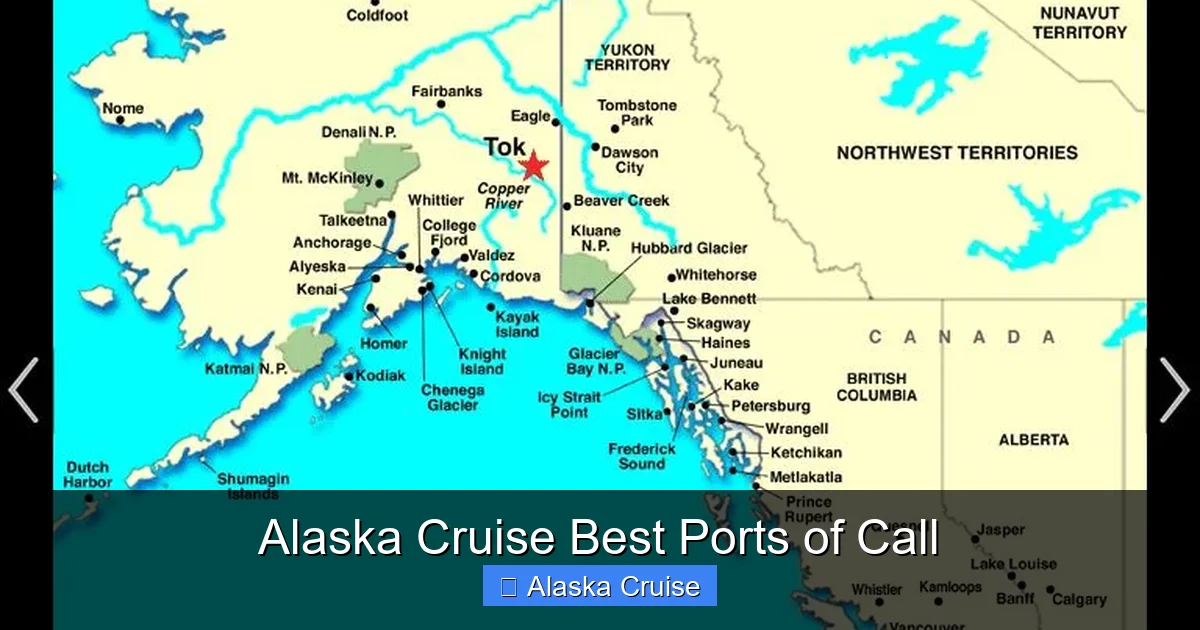
Alaska cruise best ports of call offer breathtaking scenery, rich history, and unforgettable wildlife encounters. From glacier-filled fjords to charming Gold Rush towns, these stops deliver adventure and culture in every port.
Key Takeaways
- Juneau is the only state capital accessible only by boat or plane, offering glacier hikes, whale watching, and vibrant local culture.
- Ketchikan is known as the “Salmon Capital of the World” and features totem poles, rainforest trails, and Indigenous heritage sites.
- Skagway brings the Gold Rush era to life with historic boardwalks, the White Pass Railway, and dramatic mountain vistas.
- Glacier Bay National Park is a UNESCO World Heritage Site where you can witness calving glaciers and marine wildlife up close.
- Hubbard Glacier is one of the largest tidewater glaciers in North America, offering awe-inspiring views from the ship’s deck.
- Sitka blends Russian history with Tlingit culture and offers excellent wildlife viewing, including sea otters and bald eagles.
- Plan ahead for excursions—popular tours like dog sledding on glaciers or flightseeing fill up fast, so book early for the best experience.
📑 Table of Contents
- Why Alaska Cruises Are a Must-Do in 2026
- Juneau: The Capital City with Wild Heart
- Ketchikan: Where Rainforest Meets the Sea
- Skagway: Step Back into the Gold Rush Era
- Glacier Bay National Park: A UNESCO Wonder
- Hubbard Glacier: The Ice Giant of Alaska
- Sitka: A Blend of Russian and Tlingit Heritage
- Planning Your 2026 Alaska Cruise
- Conclusion
Why Alaska Cruises Are a Must-Do in 2026
There’s something magical about sailing through icy fjords, watching glaciers calve into the sea, and spotting humpback whales breaching just off the ship’s bow. Alaska cruises in 2026 are shaping up to be more popular than ever, and for good reason. With longer daylight hours, milder weather, and a growing number of eco-friendly ships, this is the perfect time to explore America’s last frontier by sea.
Unlike land-based trips, a cruise lets you experience multiple destinations without the hassle of constant packing and unpacking. You wake up in a new port each morning, greeted by jaw-dropping scenery and fresh Alaskan air. Whether you’re a nature lover, history buff, or adventure seeker, Alaska’s ports of call offer something for everyone. From bustling towns with rich cultural roots to remote wilderness areas teeming with wildlife, each stop tells a unique story.
What Makes 2026 Special?
The 2026 Alaska cruise season promises enhanced sustainability efforts, with more cruise lines adopting hybrid-powered ships and reducing single-use plastics. Additionally, new excursion options—like electric-powered kayak tours and Indigenous-led cultural experiences—are making the journey even more meaningful. With cruise lines expanding their itineraries and offering longer stays in key ports, travelers have more time to explore and connect with local communities.
Choosing the Right Cruise Line
Major cruise lines like Holland America, Princess Cruises, Norwegian Cruise Line, and small-ship operators like UnCruise Adventures all offer Alaska itineraries. Larger ships provide more amenities and entertainment, while smaller vessels can access narrower channels and offer a more intimate experience. Consider your travel style: do you prefer luxury dining and Broadway-style shows, or small-group excursions and wildlife-focused guides? Your choice will shape how you experience the Alaska cruise best ports of call.
Juneau: The Capital City with Wild Heart
Tucked between towering mountains and the Gastineau Channel, Juneau is unlike any other state capital in the U.S. You can’t drive here—there are no roads connecting it to the rest of Alaska—which adds to its remote charm. But don’t let its isolation fool you; Juneau is a vibrant hub of culture, adventure, and natural beauty.
Top Attractions in Juneau
One of the biggest draws is the Mendenhall Glacier, just 12 miles from downtown. This 13-mile-long glacier is easily accessible and offers hiking trails, a visitor center, and stunning photo ops. For a real thrill, book a helicopter tour that lands on the glacier itself—many companies offer dog sledding experiences with real Iditarod mushers, even in summer when the snow is limited.
Whale watching is another must-do. Juneau is one of the best places in the world to see humpback whales, especially from May through September. Tours often spot orcas, sea lions, and porpoises too. Local operators like Harv’s Air and Juneau Whale Watch use eco-friendly boats and knowledgeable naturalists to enhance your experience.
Local Culture and Dining
Juneau has a thriving arts scene, with galleries showcasing local Tlingit and Haida artists. Don’t miss the Alaska State Museum, which offers deep insights into Indigenous cultures, Russian influence, and the Gold Rush era. For foodies, Juneau is a seafood lover’s paradise. Try the fresh king crab at The Hangar on the Wharf or sample reindeer sausage at a local food truck. Many restaurants source ingredients locally, supporting sustainable fishing practices.
Tips for Visiting Juneau
- Book excursions in advance—popular tours sell out quickly, especially glacier landings and whale watching.
- Wear layers and waterproof gear—Juneau is rainy, even in summer.
- Use the free shuttle from the cruise terminal to downtown; taxis and rideshares are also available.
Ketchikan: Where Rainforest Meets the Sea
Known as the “Salmon Capital of the World,” Ketchikan is a lush, green port nestled along the Tongass National Forest—the largest national forest in the U.S. With over 150 inches of rainfall annually, it’s no surprise that this town feels like a rainforest paradise. But Ketchikan is more than just scenery; it’s a cultural crossroads with deep Indigenous roots.
Explore the Tongass National Forest
Just a short walk from the cruise dock, you’ll find the Creek Street boardwalk, a historic red-light district turned tourist hotspot. Stroll along the wooden walkway, browse local shops, and watch salmon swim upstream in Ketchikan Creek. For a deeper nature experience, take a guided kayak tour through the calm waters of George Inlet or hike the Deer Mountain Trail for panoramic views of the surrounding islands.
The Misty Fjords National Monument is another highlight, best seen from the air. Flightseeing tours offer breathtaking views of 3,000-foot cliffs, waterfalls, and untouched wilderness. These tours typically last 1–2 hours and are a favorite among photographers and nature lovers.
Indigenous Heritage and Totem Poles
Ketchikan is home to the Totem Heritage Center, which preserves original 19th-century totem poles and offers insights into Tlingit, Haida, and Tsimshian cultures. Nearby, the Potlatch Park features hand-carved totems and a traditional clan house. For a more immersive experience, book a cultural tour with a local Native guide who shares stories, songs, and traditional crafts.
Seafood and Local Flavors
Fresh seafood is everywhere in Ketchikan. Try the grilled salmon at George Inlet Lodge or sample smoked salmon at a local market. Don’t leave without trying fish and chips—many locals claim Ketchikan has the best in Alaska. For a sweet treat, stop by a bakery for huckleberry pie or rhubarb crisp.
Tips for Visiting Ketchikan
- Pack rain gear and wear sturdy shoes—trails can be muddy.
- Respect cultural sites—ask before photographing people or sacred objects.
- Consider a combo tour that includes both a rainforest hike and a cultural experience.
Skagway: Step Back into the Gold Rush Era
If you’ve ever dreamed of the Wild West, Skagway will feel like stepping into a movie. This small town, with its wooden boardwalks and false-front buildings, was once the chaotic gateway to the Klondike Gold Rush. Today, it’s a charming, well-preserved historic district that offers a mix of adventure, history, and stunning mountain scenery.
The White Pass & Yukon Route Railway
No visit to Skagway is complete without riding the White Pass & Yukon Route Railway. Known as the “Gateway to the Klondike,” this narrow-gauge railroad climbs 2,865 feet in just 20 miles, offering dizzying views of waterfalls, canyons, and snow-capped peaks. The train ride is both scenic and educational, with guides sharing stories of prospectors who braved this route in search of gold.
For a different perspective, take the train one way and hike or bike back down the Klondike Highway. Several tour operators offer guided mountain biking tours that follow the historic trail, combining history with outdoor adventure.
Gold Rush History and Museums
Skagway’s Historic District is a National Historic Landmark, with over 50 preserved buildings from the 1890s. Visit the Red Onion Saloon, once a brothel and now a quirky museum and bar. The Skagway Museum offers exhibits on local history, including artifacts from the Gold Rush and Indigenous cultures.
Don’t miss the Days of ’98 Show, a lively musical comedy that brings the town’s wild past to life. It’s family-friendly and a great way to end your day in Skagway.
Outdoor Adventures
Beyond history, Skagway offers plenty of outdoor fun. Take a zipline tour through the forest, go gold panning (you might even find a flake!), or hike the Lower Dewey Lake Trail for serene alpine views. For a more relaxed experience, enjoy a scenic float trip down the Taiya River, where you might spot eagles, moose, or even bears.
Tips for Visiting Skagway
- Book the train ride early—it’s one of the most popular excursions in Alaska.
- Wear comfortable shoes—the town is very walkable, but the boardwalks can be uneven.
- Try the local sourdough pancakes—Skagway claims to be the birthplace of the sourdough tradition.
Glacier Bay National Park: A UNESCO Wonder
While not a traditional “port” with shops and restaurants, Glacier Bay National Park is one of the most awe-inspiring stops on any Alaska cruise. This UNESCO World Heritage Site spans over 3.3 million acres and is home to over a dozen active glaciers, including the famous Margerie and Grand Pacific Glaciers.
Witnessing Glacier Calving
As your ship navigates the bay, you’ll likely hear a loud crack followed by a thunderous splash—this is a glacier calving, when chunks of ice break off and crash into the water. It’s a powerful reminder of nature’s force. The best views are from the ship’s deck or upper lounges, so bring binoculars and a camera with a zoom lens.
Park rangers often come aboard to give presentations and answer questions. They’ll point out wildlife, explain glacier dynamics, and share conservation efforts. Their insights add depth to the experience and help you appreciate the fragility of this ecosystem.
Wildlife Viewing
Glacier Bay is a haven for marine life. Keep an eye out for humpback whales, orcas, sea otters, and harbor seals. On land, you might spot brown bears foraging along the shore or mountain goats scaling cliffs. Birdwatchers will love spotting bald eagles, puffins, and cormorants.
Respect the Wilderness
There are no roads or towns in Glacier Bay—just pristine wilderness. This is a protected area, and cruise ships follow strict guidelines to minimize environmental impact. Stay on designated viewing areas, avoid loud noises, and never throw anything overboard. Your respect helps preserve this natural wonder for future generations.
Tips for Experiencing Glacier Bay
- Dress warmly—temperatures can be chilly even in summer, especially near the glaciers.
- Bring a waterproof jacket—spray from calving glaciers can reach the ship.
- Stay alert during early morning and late evening—wildlife is most active at these times.
Hubbard Glacier: The Ice Giant of Alaska
At over 76 miles long and up to 700 feet tall, Hubbard Glacier is one of the largest tidewater glaciers in North America. Located near Yakutat, it’s a dramatic highlight on many Alaska cruise itineraries, especially those heading toward or from the Inside Passage.
The Glacier’s Power and Beauty
As your ship approaches, you’ll see a wall of blue ice stretching across the bay. The glacier moves slowly—about 10–12 feet per day—but its sheer size is overwhelming. The ice is so dense it absorbs red light, giving it a striking blue hue. When chunks calve, the sound can be heard from miles away.
Unlike Glacier Bay, Hubbard Glacier is not a national park, so there are no rangers on board. However, the cruise staff will provide commentary and point out key features. Some ships even slow down or stop for a “glacier watch,” giving passengers time to soak in the view.
Wildlife Around the Glacier
The waters near Hubbard Glacier are rich in nutrients, attracting a variety of marine life. Look for Steller sea lions basking on ice floes, harbor seals swimming nearby, and killer whales hunting in the distance. Seabirds like kittiwakes and murres nest on nearby cliffs, adding to the scene’s drama.
Climate and Viewing Tips
Hubbard Glacier is best viewed in the morning when the light is soft and the air is calm. Afternoon winds can make the deck chilly, so bring layers. The glacier is active year-round, but summer offers the best visibility and wildlife activity.
Tips for Viewing Hubbard Glacier
- Stay on the port (left) side of the ship if your itinerary approaches from the south.
- Bring a camera with a telephoto lens for close-up shots of the ice.
- Be patient—calving events are unpredictable, but the wait is worth it.
Sitka: A Blend of Russian and Tlingit Heritage
Sitka offers a unique cultural mix, blending Russian colonial history with Indigenous Tlingit traditions. Once the capital of Russian America, this port on Baranof Island feels like a step back in time, with onion-domed churches, historic forts, and lush coastal forests.
Historic Landmarks
The St. Michael’s Cathedral is a must-see, with its iconic green dome and gold crosses. Rebuilt after a fire in 1966, it houses beautiful icons and a museum. Nearby, the Russian Bishop’s House offers a glimpse into 19th-century life, with period furnishings and exhibits on Russian-American history.
The Sitka National Historical Park is another highlight, featuring totem pole trails and the site of the 1804 Battle of Sitka between Russian settlers and Tlingit warriors. The park’s visitor center has exhibits on both cultures and their complex relationship.
Wildlife and Nature
Sitka is a prime spot for wildlife viewing. Take a boat tour to see sea otters, puffins, and bald eagles. The Alaska Raptor Center rehabilitates injured birds of prey and offers educational programs. For a peaceful hike, try the Indian River Trail, which winds through forest and ends at a scenic waterfall.
Local Culture and Cuisine
Sitka has a strong arts community, with galleries showcasing Tlingit carvings, beadwork, and paintings. Don’t miss the Sheldon Jackson Museum, which houses one of the largest collections of Indigenous artifacts in the U.S. For food, try the fresh halibut at Ludvig’s Bistro or sample local craft beer at the Sitka Brewing Company.
Tips for Visiting Sitka
- Wear layers—Sitka’s weather can change quickly.
- Respect cultural sites—some areas are sacred to the Tlingit people.
- Book a guided cultural tour to gain deeper insights into local history.
Planning Your 2026 Alaska Cruise
With so many incredible ports, planning your Alaska cruise can feel overwhelming. Here are some tips to make the most of your trip.
Best Time to Go
The Alaska cruise season runs from May to September. June to August offers the warmest weather, longest days, and best wildlife viewing. May and September are less crowded and often cheaper, but some excursions may be limited.
Choosing Your Itinerary
Most cruises last 7–10 days and follow either the Inside Passage (round-trip from Seattle or Vancouver) or the Gulf of Alaska (one-way between Seattle/Vancouver and Seward/Whittier). The Gulf route includes more glacier viewing, while the Inside Passage offers more port stops.
Packing Essentials
- Waterproof jacket and pants
- Layered clothing (thermal base, fleece, windbreaker)
- Comfortable walking shoes
- Binoculars and camera
- Sunscreen and sunglasses (glare off water and ice)
- Motion sickness remedies (just in case)
Sustainable Travel Tips
Support local businesses, choose eco-friendly excursions, and avoid single-use plastics. Many cruise lines now offer carbon offset programs—consider participating to reduce your environmental impact.
Conclusion
An Alaska cruise in 2026 is more than just a vacation—it’s an immersion into one of the world’s last great wildernesses. The Alaska cruise best ports of call each offer something unique: Juneau’s glaciers and whales, Ketchikan’s rainforests and totems, Skagway’s Gold Rush charm, Glacier Bay’s icy wonders, Hubbard Glacier’s towering ice, and Sitka’s rich cultural blend.
Whether you’re sipping coffee on deck as a glacier calves, learning about Tlingit traditions from a local guide, or riding a historic train through mountain passes, these moments stay with you long after the trip ends. With thoughtful planning and a spirit of adventure, your Alaska cruise can be the journey of a lifetime.
Frequently Asked Questions
What are the best Alaska cruise ports of call?
The best ports include Juneau, Ketchikan, Skagway, Glacier Bay National Park, Hubbard Glacier, and Sitka. Each offers unique scenery, wildlife, and cultural experiences that make them standout stops on any Alaska cruise.
When is the best time to take an Alaska cruise in 2026?
The ideal time is between June and August, when weather is warmest, daylight is longest, and wildlife is most active. May and September offer fewer crowds and lower prices but may have limited excursion options.
Do I need to book excursions in advance?
Yes, popular tours like glacier landings, whale watching, and the White Pass Railway often sell out months ahead. Booking early ensures you get your top choices and the best availability.
What should I pack for an Alaska cruise?
Pack layers, a waterproof jacket, sturdy shoes, binoculars, sunscreen, and a camera. Even in summer, temperatures can vary widely, and rain is common in coastal areas.
Are Alaska cruises family-friendly?
Absolutely. Many cruise lines offer kids’ programs, family excursions, and educational activities. Ports like Skagway and Ketchikan have interactive museums and outdoor adventures suitable for all ages.
Can I see glaciers and wildlife on an Alaska cruise?
Yes! Most itineraries include glacier viewing in Glacier Bay or Hubbard Glacier. Wildlife like whales, bears, eagles, and sea otters are commonly spotted from the ship or on guided tours.