Planning an Alaska cruise in 2026? The best ports offer jaw-dropping glaciers, abundant wildlife, and rich Indigenous culture. From Skagway’s gold rush history to Ketchikan’s totem poles, each stop delivers unforgettable experiences that make Alaska a top cruise destination.
Key Takeaways
- Juneau offers glacier adventures and whale watching: As Alaska’s capital, Juneau is accessible only by air or sea, making it a unique port with access to Mendenhall Glacier and world-class marine wildlife tours.
- Skagway brings history to life: This charming Gold Rush town features restored historic buildings, the White Pass & Yukon Route Railway, and hiking trails through rugged wilderness.
- Ketchikan celebrates Indigenous culture: Known as the “Salmon Capital of the World,” Ketchikan is home to vibrant Tlingit, Haida, and Tsimshian communities, with totem parks and cultural centers.
- Glacier Bay National Park is a natural wonder: A UNESCO World Heritage Site, this protected area showcases massive tidewater glaciers, calving icebergs, and diverse marine life.
- Hubbard Glacier delivers dramatic scenery: One of the largest glaciers in North America, Hubbard Glacier offers breathtaking views and the chance to witness ice calving up close.
- Icy Strait Point blends adventure and culture: Located near Hoonah, this private destination offers zip-lining, bear viewing, and authentic Tlingit performances.
- Planning ahead enhances your experience: Book excursions early, pack layers, and research local customs to make the most of your 2026 Alaska cruise.
📑 Table of Contents
- Why Alaska Cruises Are a Must-Do in 2026
- Juneau: Alaska’s Capital and Glacier Gateway
- Skagway: Step Back into the Gold Rush Era
- Ketchikan: The Salmon Capital and Cultural Hub
- Glacier Bay National Park: A UNESCO World Heritage Site
- Hubbard Glacier: The Largest Tidewater Glacier in North America
- Icy Strait Point: Adventure and Indigenous Culture Combined
- Tips for Making the Most of Your 2026 Alaska Cruise
- Conclusion
Why Alaska Cruises Are a Must-Do in 2026
There’s something truly magical about cruising through Alaska. It’s not just the towering glaciers, the misty fjords, or the chance to spot a humpback whale breaching in the distance. It’s the feeling of stepping into a wild, untamed world where nature still reigns supreme. In 2026, Alaska cruises are more popular than ever—and for good reason. With improved itineraries, eco-friendly ships, and a growing focus on sustainable tourism, now is the perfect time to explore the Last Frontier by sea.
Alaska’s coastline is dotted with ports that each offer a unique slice of the state’s natural beauty and cultural heritage. Whether you’re drawn to the thrill of watching a glacier calve or the quiet awe of walking through a rainforest, there’s a port that will speak to your sense of adventure. From the historic charm of Skagway to the Indigenous traditions of Ketchikan, every stop tells a story. And because most of these towns are only accessible by boat or plane, a cruise is often the best—and sometimes the only—way to experience them.
What Makes Alaska Cruises Special in 2026?
Cruising Alaska in 2026 isn’t just about sightseeing—it’s about immersion. Cruise lines have stepped up their game with enhanced onboard programming, expert naturalists, and partnerships with local communities. Many ships now feature live wildlife cams, educational lectures, and cultural performances that bring the destination to life before you even step ashore. Plus, with stricter environmental regulations and a focus on low-impact tourism, you can feel good about your travel choices.
Another big draw in 2026 is the variety of itineraries. Whether you prefer a 7-day classic route or a 14-day extended voyage, there’s an Alaska cruise that fits your schedule and interests. Some cruises focus on glacier viewing, while others emphasize wildlife or cultural experiences. And with more ships offering overnight stays in key ports like Juneau and Ketchikan, you’ll have extra time to explore at your own pace.
Juneau: Alaska’s Capital and Glacier Gateway
Visual guide about Alaska Cruise Best Ports
Image source: myperfectalaskacruise.com
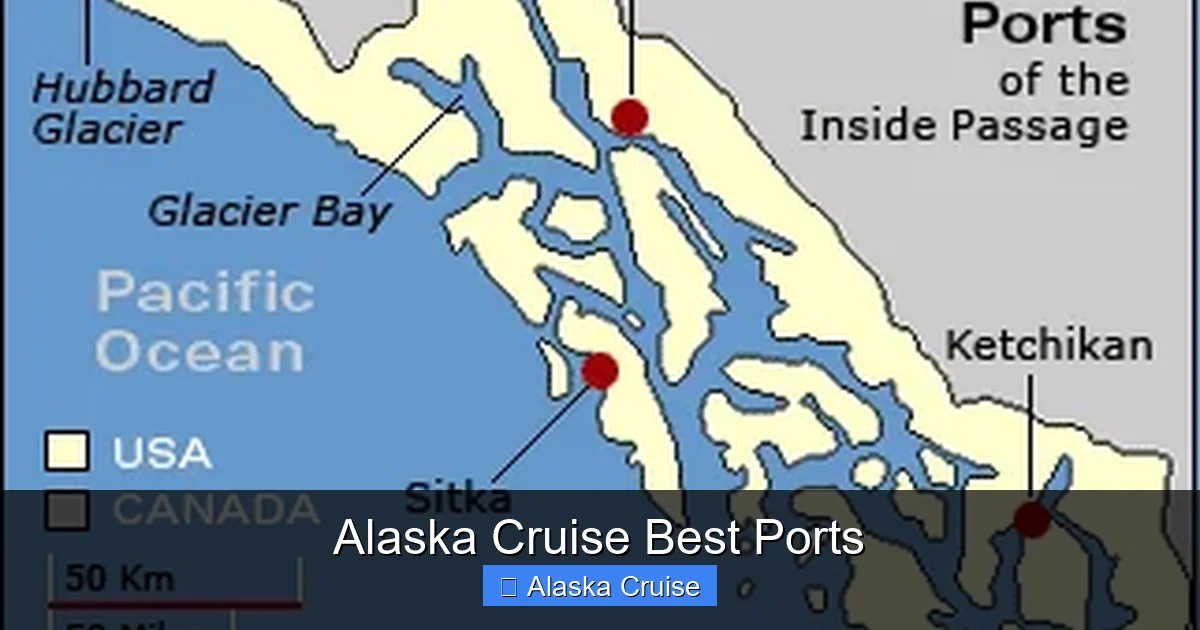
Nestled between the Gastineau Channel and the towering peaks of the Coast Mountains, Juneau is unlike any other state capital in the U.S.—because you can’t drive to it. Accessible only by air or sea, Juneau offers a sense of remoteness and adventure that sets the tone for your Alaska cruise. As one of the most popular Alaska cruise best ports, Juneau delivers a perfect blend of natural wonders and urban charm.
Mendenhall Glacier: A Glacial Wonder
No visit to Juneau is complete without seeing the Mendenhall Glacier. This 13-mile-long glacier is one of the most accessible in Alaska and a must-see for first-time visitors. Located just 12 miles from downtown Juneau, the glacier is part of the 1,500-square-mile Mendenhall Glacier Recreation Area. Visitors can walk along well-maintained trails, including the popular Nugget Falls Trail, which leads to a stunning viewpoint overlooking the glacier and a powerful waterfall.
For a closer look, consider booking a guided glacier trek or a kayak tour. Local outfitters offer small-group excursions that take you onto the ice or along the glacier’s edge by boat. These tours are led by certified guides who share fascinating insights about glacial formation, climate change, and the local ecosystem. In 2026, many tours now include carbon-offset options and use eco-friendly gear to minimize environmental impact.
Whale Watching and Marine Wildlife
Juneau is one of the best places in the world to see humpback whales. From May through September, these majestic creatures migrate to Alaska’s nutrient-rich waters to feed on krill and small fish. Whale-watching tours depart daily from the Juneau Harbor, and sightings are almost guaranteed during peak season. Many tours also spot sea lions, porpoises, and even the occasional orca.
One popular operator, Harv and Jan’s Whale Watching, offers small-boat excursions with expert naturalists on board. Their boats are designed for quiet operation, reducing disturbance to marine life. Tours typically last 3–4 hours and include binoculars, warm gear, and hot drinks. For the best experience, book a morning tour—whales are often more active in the early hours.
Downtown Juneau: Shops, Seafood, and Scenery
After your outdoor adventures, take time to explore downtown Juneau. The compact city center is easy to walk and full of local flavor. Stop by the Alaska State Museum to learn about the region’s history, from Indigenous cultures to the Gold Rush era. For a taste of local cuisine, try a halibut taco at The Hangar on the Wharf or fresh king crab at The Salmon House.
Don’t miss the opportunity to visit a local coffee shop or artisan gallery. Juneau has a thriving creative community, and many shops feature handmade jewelry, wood carvings, and prints by Alaskan artists. If you’re visiting in summer, check the local event calendar—Juneau often hosts music festivals, farmers markets, and cultural celebrations.
Skagway: Step Back into the Gold Rush Era
Tucked into a narrow valley at the head of the Lynn Canal, Skagway is a living museum of Alaska’s Gold Rush past. In the late 1890s, tens of thousands of prospectors passed through this bustling town on their way to the Klondike gold fields. Today, Skagway preserves that history with beautifully restored buildings, wooden boardwalks, and costumed interpreters who bring the era to life.
White Pass & Yukon Route Railway: A Historic Journey
One of the most iconic experiences in Skagway is riding the White Pass & Yukon Route Railway. Known as the “Gateway to the Klondike,” this narrow-gauge railroad was built in 1898 and climbs over 2,800 feet in just 20 miles. The journey takes you through steep canyons, past cascading waterfalls, and over towering trestle bridges—all while a knowledgeable guide shares stories of the brave men who built the line.
The train ride is about 2.5 hours round-trip and ends at the U.S.-Canada border. Many cruise passengers choose to ride one way and return by bus, allowing extra time to explore Skagway. In 2026, the railway has introduced new eco-friendly coaches with large windows and improved accessibility features.
Hiking and Outdoor Adventures
Skagway is a hiker’s paradise. The surrounding mountains and forests offer trails for all skill levels, from easy walks to challenging backcountry routes. The popular Dewey Lake Trail is a 3-mile loop that rewards hikers with panoramic views of Skagway and the surrounding peaks. For a more adventurous option, try the Laughton Glacier Trail, which leads to a stunning overlook of a glacier nestled in the mountains.
If you’re short on time, consider a guided ATV tour or a flightseeing excursion. Local operators offer helicopter tours that soar over glaciers, valleys, and even into Canada’s Yukon Territory. These tours provide a bird’s-eye view of the rugged landscape and are a great way to see more in less time.
Preserving History and Culture
Skagway takes pride in its heritage. The Skagway Historic District is a National Historic Landmark, with over 50 preserved buildings from the Gold Rush era. Visit the Red Onion Saloon, once a famous brothel, or the Moore House Museum, home of one of Skagway’s founding families. The town also hosts daily reenactments, including the famous “Soapy Smith” trial, which dramatizes the story of a notorious con man who ruled Skagway in the 1890s.
In 2026, Skagway has expanded its cultural programming to include more Indigenous perspectives. The new Tlingit Heritage Center features exhibits on local Native history, traditional crafts, and oral storytelling. Visitors can participate in workshops on beadwork, drum-making, and language lessons.
Ketchikan: The Salmon Capital and Cultural Hub
Perched on the edge of the Tongass National Forest, Ketchikan is known as the “Salmon Capital of the World” and the “Gateway to the Inside Passage.” This vibrant port town is a favorite among cruise passengers for its lush rainforests, abundant wildlife, and rich Indigenous culture. In 2026, Ketchikan continues to balance tourism with cultural preservation, offering authentic experiences that honor its Tlingit, Haida, and Tsimshian roots.
Totem Pole Parks and Cultural Centers
Ketchikan is home to the world’s largest collection of standing totem poles. The Totem Heritage Center features 19th-century poles salvaged from abandoned villages, while nearby Totem Bight State Historical Park displays newly carved poles that tell traditional stories. Both sites offer guided tours and cultural demonstrations, including totem carving and traditional dancing.
For a deeper dive, visit the Saxman Native Village, located just a few miles south of downtown. This living community features a large clan house, a carving shed, and a performance theater. Visitors can watch a traditional dance show, learn about clan systems, and even try their hand at drumming. Many cruise lines now offer cultural excursions that include a visit to Saxman, often with a local guide who shares personal stories.
Wildlife and Wilderness Adventures
Ketchikan’s location in the heart of the Tongass National Forest—the largest temperate rainforest in the world—makes it a prime spot for wildlife viewing. Black bears, bald eagles, and Sitka black-tailed deer are common sights, especially along the coastal trails. One of the best ways to see wildlife is by boat. Guided kayak tours take you through quiet coves and along forested shorelines, where you might spot seals, sea otters, or even a bear fishing for salmon.
For a more adrenaline-pumping experience, try a zipline tour through the rainforest canopy. Companies like Alaska Zipline Adventures offer multi-line courses with views of the Tongass and the surrounding islands. Most tours include safety gear, instruction, and a guided nature walk.
Fishing and Fresh Seafood
As the self-proclaimed Salmon Capital of the World, Ketchikan is a paradise for anglers. Whether you’re a seasoned fisherman or a beginner, there are plenty of opportunities to catch salmon, halibut, and rockfish. Many local charters offer half-day or full-day trips, with all gear and licenses included. Some even clean and fillet your catch on the boat—perfect for a fresh seafood dinner back on shore.
Even if you don’t fish, you can still enjoy Ketchikan’s seafood. Local restaurants like George Inlet Lodge and The Landing Restaurant serve up fresh salmon, crab, and Dungeness crab cakes. Don’t leave without trying a “fish taco” or a bowl of clam chowder served in a sourdough bread bowl.
Glacier Bay National Park: A UNESCO World Heritage Site
Glacier Bay National Park is one of the crown jewels of the Alaska cruise experience. This protected wilderness spans over 3.3 million acres and is home to some of the most dramatic glacial landscapes on Earth. As a UNESCO World Heritage Site and a Biosphere Reserve, Glacier Bay is managed with strict conservation guidelines to preserve its natural integrity.
Glacier Viewing and Ice Calving
One of the main draws of Glacier Bay is the opportunity to see active tidewater glaciers up close. The park is home to over a dozen major glaciers, including the famous Margerie and Lamplugh Glaciers. These massive rivers of ice flow from the mountains into the bay, where they calve—breaking off into the water with thunderous crashes.
Cruise ships typically spend a full day navigating the park, often accompanied by a National Park Service ranger who provides commentary and educational programs. The slow, quiet passage through the bay allows passengers to fully absorb the scale and beauty of the landscape. Binoculars are a must for spotting wildlife, including harbor seals, sea lions, and countless seabirds.
Wildlife and Marine Ecosystems
Glacier Bay is teeming with life. The nutrient-rich waters support a diverse array of marine species, from tiny krill to massive humpback whales. The park is a critical feeding ground for many animals, especially during the summer months. Visitors often see orcas hunting near the glacier fronts, while puffins and cormorants nest on rocky outcrops.
On land, the park is home to brown bears, moose, and mountain goats. While most cruise passengers won’t venture far from the ship, those on extended land tours may have the chance to explore the park’s interior via small boats or guided hikes. In 2026, new eco-tourism initiatives allow for low-impact camping and research-based excursions.
Conservation and Sustainable Tourism
Glacier Bay is a model for sustainable tourism. The National Park Service limits the number of ships allowed in the park each day and enforces strict speed and noise regulations to protect wildlife. Cruise lines are required to follow “glacier viewing guidelines” that minimize disturbance to the environment.
Visitors are encouraged to participate in citizen science programs, such as whale sighting logs or glacier monitoring. Many ships now offer onboard lectures on climate change and glacial retreat, helping passengers understand the broader context of what they’re seeing. In 2026, several cruise lines have partnered with conservation groups to support Glacier Bay’s long-term protection.
Hubbard Glacier: The Largest Tidewater Glacier in North America
Stretching over 7 miles wide and rising up to 400 feet above the water, Hubbard Glacier is a true natural wonder. Located in Yakutat Bay near the border of Alaska and Canada, this massive glacier is one of the few in the world that is still advancing. Each year, it moves forward by about 10–12 feet, slowly pushing into the bay and creating new icebergs.
Witnessing the Power of Nature
Cruise ships that visit Hubbard Glacier often spend several hours in the area, allowing passengers to fully appreciate its scale and power. The glacier’s deep blue ice is a result of compressed snow that has turned to ice over thousands of years. When chunks of ice break off—a process known as calving—the sound can be heard for miles.
Many passengers describe the experience as humbling. Standing on the deck of a ship, watching a wall of ice taller than a skyscraper, puts human life into perspective. Some ships even offer hot chocolate and blankets to keep you warm as you take in the view.
Wildlife Along the Glacier Front
The waters around Hubbard Glacier are rich in marine life. Harbor seals often rest on icebergs, while seabirds like gulls and kittiwakes circle overhead. In the right conditions, you might even spot a whale feeding in the area. The glacier’s meltwater creates a unique ecosystem that supports plankton, fish, and larger predators.
Because the glacier is so remote, wildlife sightings can be unpredictable—but that’s part of the adventure. Bring a camera with a good zoom lens and be ready for anything.
Icy Strait Point: Adventure and Indigenous Culture Combined
Located on Chichagof Island near the town of Hoonah, Icy Strait Point is a private cruise destination owned and operated by the Huna Totem Corporation, a Tlingit Native corporation. This unique port blends high-adventure activities with authentic cultural experiences, making it one of the most popular stops on Alaska cruise itineraries.
Zip-lining and Bear Viewing
Icy Strait Point is famous for its world-class zip-line course, which includes seven lines and a suspension bridge over a 1,300-foot canyon. The course is set in a temperate rainforest and offers stunning views of the surrounding mountains and waterways. Most tours last about 2.5 hours and include safety training, gear, and a guided nature walk.
For wildlife lovers, the nearby bear viewing platforms offer a chance to see brown bears in their natural habitat. During salmon runs, bears gather along the riverbanks to feed, providing incredible photo opportunities. Tours are led by local guides who share knowledge about bear behavior and conservation.
Tlingit Cultural Performances and Art
One of the highlights of Icy Strait Point is the daily Tlingit cultural show. Held in a traditional clan house, the performance includes drumming, dancing, and storytelling. Visitors can learn about Tlingit traditions, clan systems, and the importance of the land and sea.
The site also features an artisan marketplace where local craftspeople sell handmade jewelry, carvings, and textiles. Many items are made from sustainable materials like cedar, abalone, and silver. Purchasing from these vendors supports the local economy and helps preserve traditional arts.
Sustainable Development and Community Ownership
What sets Icy Strait Point apart is its commitment to community ownership and sustainability. The Huna Totem Corporation reinvests profits into local education, healthcare, and cultural programs. The development was designed to minimize environmental impact, with elevated walkways and low-impact construction.
In 2026, Icy Strait Point continues to serve as a model for Indigenous-led tourism. Visitors leave not only with great memories but also with a deeper respect for Alaska’s Native cultures.
Tips for Making the Most of Your 2026 Alaska Cruise
Book Excursions Early
Popular tours—especially whale watching, glacier treks, and cultural experiences—sell out quickly. Many cruise lines allow you to pre-book excursions online before your trip. Do your research and reserve your top choices as soon as possible.
Pack for All Weather
Alaska’s weather can change rapidly. Even in summer, temperatures can range from 40°F to 70°F. Pack layers, including a waterproof jacket, warm sweater, and sturdy walking shoes. Don’t forget sunglasses, sunscreen, and a hat—glare off the water and ice can be intense.
Respect Local Cultures
Many ports have strong Indigenous communities. Be respectful when visiting cultural sites, and ask before taking photos of people or sacred objects. Consider supporting local artists by purchasing authentic crafts.
Stay Flexible
Weather and wildlife are unpredictable. Some days, glaciers may be shrouded in fog; other days, whales may be especially active. Embrace the unexpected—it’s part of the adventure.
Choose the Right Cruise Line
Different cruise lines offer different experiences. Luxury lines like Seabourn and Silversea provide smaller ships and more personalized service, while larger lines like Norwegian and Royal Caribbean offer more onboard activities. Consider your travel style and priorities when choosing.
Conclusion
An Alaska cruise in 2026 is more than a vacation—it’s a journey into one of the world’s last great wildernesses. The Alaska cruise best ports each offer something unique, from the icy grandeur of Glacier Bay to the cultural richness of Ketchikan. Whether you’re marveling at a calving glacier, hiking through a rainforest, or learning about Tlingit traditions, every moment is a reminder of nature’s power and beauty.
With thoughtful planning and a spirit of adventure, your Alaska cruise can be a life-changing experience. So pack your bags, bring your curiosity, and get ready to explore the Last Frontier—one unforgettable port at a time.
Frequently Asked Questions
What are the best ports to visit on an Alaska cruise?
The Alaska cruise best ports include Juneau, Skagway, Ketchikan, Glacier Bay National Park, Hubbard Glacier, and Icy Strait Point. Each offers unique experiences, from glacier viewing and wildlife to Gold Rush history and Indigenous culture.
When is the best time to cruise Alaska in 2026?
The peak Alaska cruise season runs from May to September 2026. July and August offer the warmest weather and best wildlife viewing, while May and September provide fewer crowds and lower prices.
Do I need to book excursions in advance?
Yes, it’s highly recommended. Popular tours like whale watching, glacier hikes, and cultural experiences often sell out weeks in advance, especially during peak season.
Can I see glaciers on an Alaska cruise?
Absolutely. Most Alaska cruises visit Glacier Bay National Park and Hubbard Glacier, where you can witness massive tidewater glaciers and ice calving up close.
Is Alaska safe for first-time cruisers?
Yes, Alaska is very safe for cruise travelers. Ships are equipped with expert guides, and ports are well-organized for tourists. Just follow safety guidelines and stay with your group during excursions.
What should I pack for an Alaska cruise in 2026?
Pack layers, including a waterproof jacket, warm sweater, hiking shoes, and binoculars. Don’t forget sunscreen, sunglasses, and a camera. Weather can change quickly, so be prepared for rain and cool temperatures.