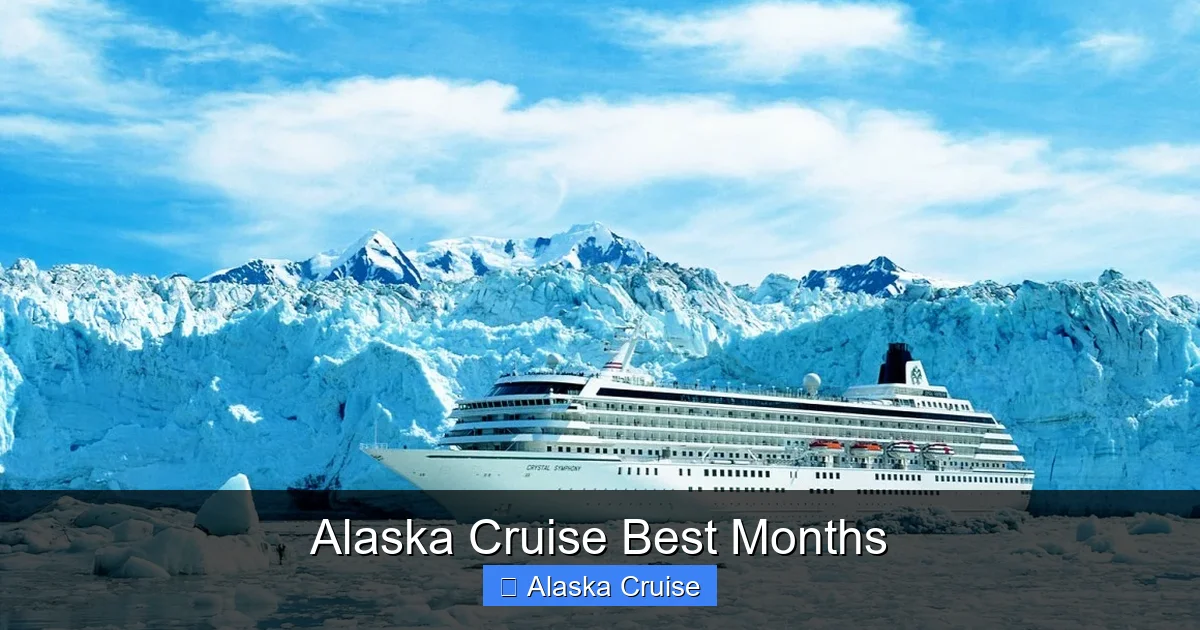
Planning an Alaska cruise in 2026? The best months are May through September, with peak conditions in June, July, and August. These months offer mild weather, longer daylight hours, abundant wildlife, and full access to ports and excursions. Whether you’re chasing glaciers or spotting bears, timing matters—this guide helps you choose the perfect window for your dream voyage.
Key Takeaways
- Best Overall Months: June, July, and August offer the warmest weather, longest days, and most wildlife activity, making them ideal for first-time cruisers.
- Shoulder Season Advantages: May and September provide fewer crowds, lower prices, and unique seasonal experiences like spring blooms or fall colors.
- Wildlife Viewing Peaks: July and August are prime for whale watching, bear sightings, and bird migrations, especially in areas like Glacier Bay and Ketchikan.
- Glacier Calving Activity: Late summer (August) often sees more dramatic glacier calving due to warmer temperatures and tidal shifts.
- Weather Variability: Even in summer, pack layers—Alaska’s weather can shift quickly, especially in coastal regions.
- Port Accessibility: All major ports (Juneau, Skagway, Ketchikan) are fully operational by mid-May and remain open through September.
- 2026 Considerations: Book early—popular itineraries and cabins fill fast, especially for July and August sailings.
📑 Table of Contents
- Introduction: Why Timing Your Alaska Cruise Matters
- Alaska Cruise Season Overview: When Does It Run?
- The Best Months for an Alaska Cruise in 2026
- Shoulder Season Gems: May and September
- Weather, Daylight, and Packing Tips
- Wildlife and Glacier Viewing: When to See What
- 2026 Booking Tips and Final Advice
- Conclusion: Choosing Your Perfect Alaska Cruise Month
Introduction: Why Timing Your Alaska Cruise Matters
Alaska isn’t just a destination—it’s a once-in-a-lifetime experience. From towering glaciers that crack and thunder into the sea to pods of humpback whales breaching in icy waters, the Last Frontier delivers raw, untamed beauty. But unlike tropical cruises where weather is predictable year-round, Alaska demands careful timing. The state’s cruise season is short, running roughly from May to September, and each month offers a distinctly different flavor of adventure.
Choosing the right month can mean the difference between spotting a brown bear fishing for salmon at sunset and missing it entirely due to early snowmelt or late-season storms. It affects everything from daylight hours and wildlife activity to crowd levels and pricing. For 2026, as demand for experiential travel continues to rise post-pandemic, planning ahead is more important than ever. Whether you’re a seasoned cruiser or booking your first voyage, understanding the nuances of Alaska’s seasonal rhythm will help you craft the perfect itinerary.
Alaska Cruise Season Overview: When Does It Run?
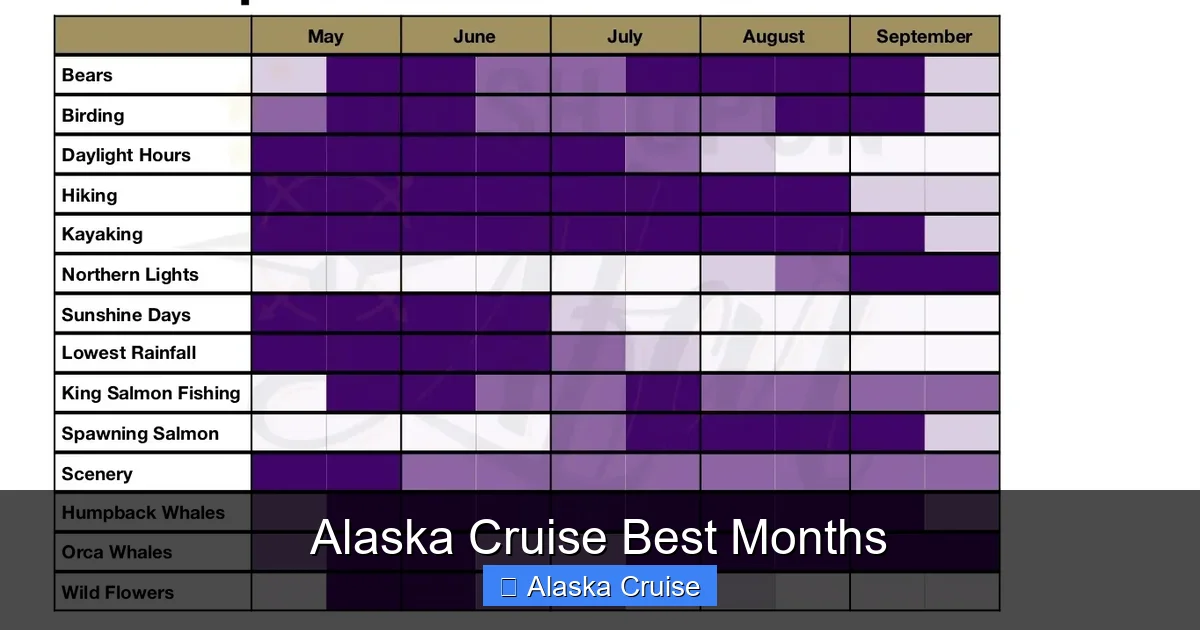
Visual guide about Alaska Cruise Best Months
Image source: i0.wp.com
The official Alaska cruise season typically spans from early May to late September, with most major cruise lines—like Holland America, Princess, Norwegian, and Royal Caribbean—operating weekly sailings during this window. However, the season doesn’t start and end abruptly. Early May voyages may still encounter lingering snow in interior regions, while late September trips might face earlier sunsets and cooler temperatures.
In 2026, the season is expected to follow this traditional pattern, with the first departures around May 3 and the final sailings wrapping up by September 28. Smaller expedition ships may begin as early as late April, offering adventurous travelers a chance to experience spring’s awakening in places like Sitka or Haines. Conversely, some luxury lines extend into early October with limited departures, though these come with increased weather risks.
One key factor influencing the season length is glacier accessibility. Glaciers like Mendenhall (near Juneau) and Hubbard (visited on many itineraries) remain accessible throughout the season, but calving activity—the dramatic breaking off of ice chunks—peaks in warmer months. This means July and August offer the most impressive glacier shows, while May and September may offer quieter, more reflective views.
Port Operations and Shore Excursion Availability
All major ports—Juneau, Skagway, Ketchikan, and Whittier—are fully operational by mid-May. However, some smaller communities and remote excursions (like heli-hiking or dog sledding on glaciers) may not begin until late May or early June due to snowmelt and trail conditions. For example, the famous Mendenhall Glacier Ice Cave tours typically open in June when the ice is stable enough for safe exploration.
Shore excursions such as whale watching, bear viewing, and flightseeing are widely available from June through August. In May and September, options may be more limited, but you’ll often find operators offering discounted rates to attract travelers during the shoulder seasons. If you’re set on a specific activity—like a bear-watching tour in Admiralty Island—booking in advance is highly recommended, especially for 2026, when demand is expected to remain strong.
The Best Months for an Alaska Cruise in 2026
While the entire cruise season offers something special, three months stand out as the gold standard for most travelers: June, July, and August. These summer months deliver the most favorable combination of weather, daylight, wildlife, and operational availability.
June: The Sweet Spot of Spring and Summer
June marks the true beginning of Alaska’s high season. By mid-month, snow has largely melted from coastal areas, wildflowers begin to bloom, and daylight stretches well into the evening—up to 18 hours in some northern ports. Temperatures average between 50°F and 65°F (10°C to 18°C), making it comfortable for outdoor exploration without the peak summer crowds.
Wildlife is especially active in June. Humpback whales return to feed in nutrient-rich waters, and sea lions haul out on rocky shores. In places like Glacier Bay National Park, you’re likely to see breaching whales and playful otters. On land, black bears emerge from hibernation and can often be spotted foraging along riverbanks.
One advantage of cruising in June is the balance between good weather and manageable crowds. While July and August are busier, June offers a quieter experience with nearly full access to ports and excursions. It’s also a great time for photography, with soft morning light and lush green landscapes.
July: Peak Season for Wildlife and Weather
July is arguably the most popular month for Alaska cruises—and for good reason. It’s warmest, sunniest, and most active time of year. Daylight lasts up to 19 hours in northern regions, giving you ample time to explore. Average temperatures range from 55°F to 70°F (13°C to 21°C), though it can feel cooler on the water due to wind and sea spray.
This is prime time for wildlife enthusiasts. Brown bears are frequently seen fishing for salmon in rivers near Ketchikan and Hoonah. Humpback, orca, and minke whales are commonly spotted during whale-watching tours. Puffins, bald eagles, and seabird colonies are active along the coast. In Glacier Bay, the combination of warm weather and tidal forces leads to dramatic glacier calving events—some of the most memorable moments of any Alaska trip.
However, July also brings the largest crowds. Popular ports like Skagway and Juneau can feel bustling, and shore excursions book up quickly. If you’re traveling in July 2026, aim to reserve your cruise and excursions at least 9–12 months in advance. Early booking also increases your chances of securing a balcony cabin or suite, which are highly sought after for glacier viewing.
August: Glacier Action and Fall Hues
August continues the summer warmth but begins to hint at autumn. Days are still long, though noticeably shorter than in July. Temperatures remain pleasant, averaging 50°F to 68°F (10°C to 20°C), and the chance of rain increases slightly compared to July.
What makes August special is glacier activity. Warmer ocean temperatures and tidal shifts cause glaciers like Hubbard and Margerie to calve more frequently, creating thunderous splashes and iceberg fields. This is also a great time for bear viewing, as salmon runs peak in rivers like the Chilkat and Stikine. In fact, August is one of the best months to see brown bears in places like Anan Creek or Pack Creek.
Another perk of August? The first signs of fall color. In inland areas like Skagway and Haines, aspens and birches begin to turn golden, adding a new layer of beauty to the landscape. It’s a quieter month than July, with slightly fewer tourists, making it ideal for travelers who want great weather without the peak-season rush.
Shoulder Season Gems: May and September
While June through August are the stars of the Alaska cruise calendar, the shoulder months of May and September offer unique advantages for flexible travelers. These periods are perfect for those seeking value, solitude, and a different kind of Alaskan experience.
May: The Quiet Awakening
May is the start of the cruise season, and it’s a time of transition. Snow is still present in higher elevations, but coastal towns are coming to life. Wildflowers like lupine and fireweed begin to bloom, and migratory birds return in droves. Daylight increases rapidly—from about 15 hours at the start of the month to nearly 18 by the end.
Weather in May is variable. Coastal areas like Ketchikan may see temperatures in the 50s°F (10–15°C), while interior regions can still be chilly. Rain is common, so waterproof gear is essential. However, the upside is fewer crowds and lower prices. Cruise fares in May are often 20–30% lower than in July, and you’ll have more flexibility with cabin selection.
Wildlife sightings are still excellent. Whales begin arriving in May, and sea lions are active along the coast. On land, black bears are emerging and can be seen near river mouths. While some excursions may be limited early in the month, most are fully operational by mid-May.
One unique May experience is the chance to see spring runoff. Rivers are high and fast, creating dramatic waterfalls and powerful rapids. It’s also a great time for cultural experiences—many Native Alaskan communities host events and festivals as the season opens.
September: Fall Colors and Fewer Crowds
September is the quietest month of the cruise season, but don’t let that fool you—it’s one of the most beautiful. As summer fades, the landscape transforms. Aspens, birches, and willows turn brilliant shades of gold, orange, and red, especially in inland areas like Skagway and Haines. The air is crisp, and the light is soft and golden, perfect for photography.
Temperatures in September range from 45°F to 60°F (7°C to 15°C), with cooler nights. Rain is more likely than in summer, but sunny days are still common. Daylight decreases quickly—from about 14 hours at the start of the month to 11 by the end—so plan your excursions accordingly.
Wildlife remains active. Bears are busy preparing for hibernation, and salmon runs continue in some rivers. Whales are still present, though they begin migrating south by late September. One highlight of a September cruise is the chance to see the Northern Lights. While not guaranteed, the longer nights and clearer skies increase your odds, especially in northern ports like Seward or Whittier.
Prices in September are typically lower than in summer, and you’ll enjoy a more intimate experience. Ships are less crowded, and ports feel peaceful. It’s an excellent choice for couples, photographers, or anyone looking to experience Alaska at a slower pace.
Weather, Daylight, and Packing Tips
Alaska’s weather is famously unpredictable, even in summer. While June through August offer the most stable conditions, rain, wind, and temperature swings are always possible. Understanding what to expect—and how to prepare—can make or break your trip.
Weather by Month
– May: Cool and wet, with temperatures ranging from 40°F to 60°F (4°C to 15°C). Rain is common, and snow is possible in higher elevations.
– June: Mild and pleasant, 50°F to 65°F (10°C to 18°C). Increasing sunshine and longer days.
– July: Warmest month, 55°F to 70°F (13°C to 21°C). Lowest chance of rain, but still pack a rain jacket.
– August: Similar to July, but slightly cooler and wetter. 50°F to 68°F (10°C to 20°C).
– September: Cooling rapidly, 45°F to 60°F (7°C to 15°C). Rain increases, and early snow is possible in northern areas.
Daylight Hours
One of Alaska’s most magical features is the extended daylight in summer. In June and July, the sun may not set until 10 PM or later in northern ports. This “midnight sun” effect gives you more time to explore, take photos, and enjoy evening deck parties. However, it can also disrupt sleep, so consider blackout curtains or eye masks.
In contrast, September brings earlier sunsets and longer nights. By late September, daylight drops to around 11 hours, creating a cozier, more intimate atmosphere.
Packing Essentials for Any Month
Regardless of when you go, layering is key. Pack:
– Waterproof jacket and pants
– Warm fleece or down vest
– Moisture-wicking base layers
– Comfortable walking shoes with good grip
– Hat, gloves, and sunglasses
– Binoculars for wildlife viewing
– Reusable water bottle and daypack
Even in summer, temperatures on the water can feel 10–15°F cooler due to wind chill. Don’t forget sunscreen and lip balm—reflected light off snow and water increases UV exposure.
Wildlife and Glacier Viewing: When to See What
One of the biggest draws of an Alaska cruise is the chance to see wildlife and glaciers up close. Timing your trip to align with peak activity can greatly enhance your experience.
Whale Watching
Humpback whales are most commonly seen from May through September, with peak sightings in July and August. Orcas (killer whales) are also frequently spotted, especially in the Inside Passage. For the best chances, book a whale-watching excursion in Juneau, Icy Strait Point, or Ketchikan.
Bear Viewing
Brown bears are best seen from July through September, when salmon runs are strongest. Popular bear-viewing spots include Pack Creek (on Admiralty Island), Anan Creek (near Ketchikan), and the Chilkat River (near Haines). August is particularly good, as bears gather in large numbers to feed.
Glacier Calving
Glaciers like Hubbard, Margerie, and Mendenhall are accessible all season, but calving activity increases in warmer months. July and August offer the most dramatic displays, especially during high tide. For a quieter experience, May and September provide stunning views with fewer ships nearby.
Birdwatching
May and June are prime for bird migrations. Puffins, bald eagles, and seabird colonies are active along the coast. September offers a second wave as birds prepare for migration south.
2026 Booking Tips and Final Advice
With travel demand rebounding and Alaska remaining a top bucket-list destination, booking early for 2026 is essential. Here’s how to secure the best experience:
– Book by late 2024: Popular July and August sailings fill up fast. Early booking also locks in better prices and cabin choices.
– Consider a travel agent: Agents often have access to exclusive deals and can help customize your itinerary.
– Choose your itinerary wisely: Southbound (Seattle to Vancouver) and northbound (Vancouver to Seattle) routes offer different scenic highlights. Round-trip Seattle cruises are convenient but may miss some northern ports.
– Check for inclusions: Some lines include excursions, drinks, or Wi-Fi. Compare packages to get the best value.
– Travel insurance: Given weather variability and potential delays, comprehensive travel insurance is highly recommended.
Conclusion: Choosing Your Perfect Alaska Cruise Month
There’s no single “best” month for an Alaska cruise—only the best month for you. If you want warm weather, long days, and peak wildlife, aim for June, July, or August. If you prefer fewer crowds, lower prices, and unique seasonal beauty, consider May or September. Each month offers a distinct slice of Alaska’s magic, from spring’s awakening to fall’s golden glow.
For 2026, the key is planning ahead. Whether you’re chasing glaciers, spotting bears, or simply soaking in the vast, wild beauty of the Last Frontier, timing your cruise right will ensure an unforgettable journey. So pack your layers, charge your camera, and get ready to experience Alaska at its most spectacular.
Frequently Asked Questions
What is the best month for an Alaska cruise in 2026?
June, July, and August are widely considered the best months for an Alaska cruise in 2026. These months offer the warmest weather, longest daylight hours, and peak wildlife activity, making them ideal for first-time visitors and families.
Is May a good time to cruise to Alaska?
Yes, May is a great shoulder-season option. You’ll enjoy lower prices, fewer crowds, and the beginning of spring blooms. Wildlife is active, though some excursions may be limited early in the month.
Can you see the Northern Lights on an Alaska cruise?
Yes, especially in September when nights are longer and skies are clearer. While not guaranteed, northern ports like Seward and Whittier offer the best chances to see the aurora borealis.
Are glaciers still accessible in September?
Absolutely. Glaciers like Hubbard and Mendenhall remain accessible through September. While calving may be less frequent than in summer, the views are still stunning, and crowds are smaller.
What should I pack for an Alaska cruise in July?
Pack layers, including a waterproof jacket, warm fleece, moisture-wicking base layers, and sturdy walking shoes. Even in July, temperatures on the water can feel cool, and rain is always possible.
Do I need to book excursions in advance for a 2026 Alaska cruise?
Yes, especially for popular activities like whale watching, bear viewing, and flightseeing. Book at least 6–9 months in advance, particularly for July and August sailings, to secure your preferred tours.