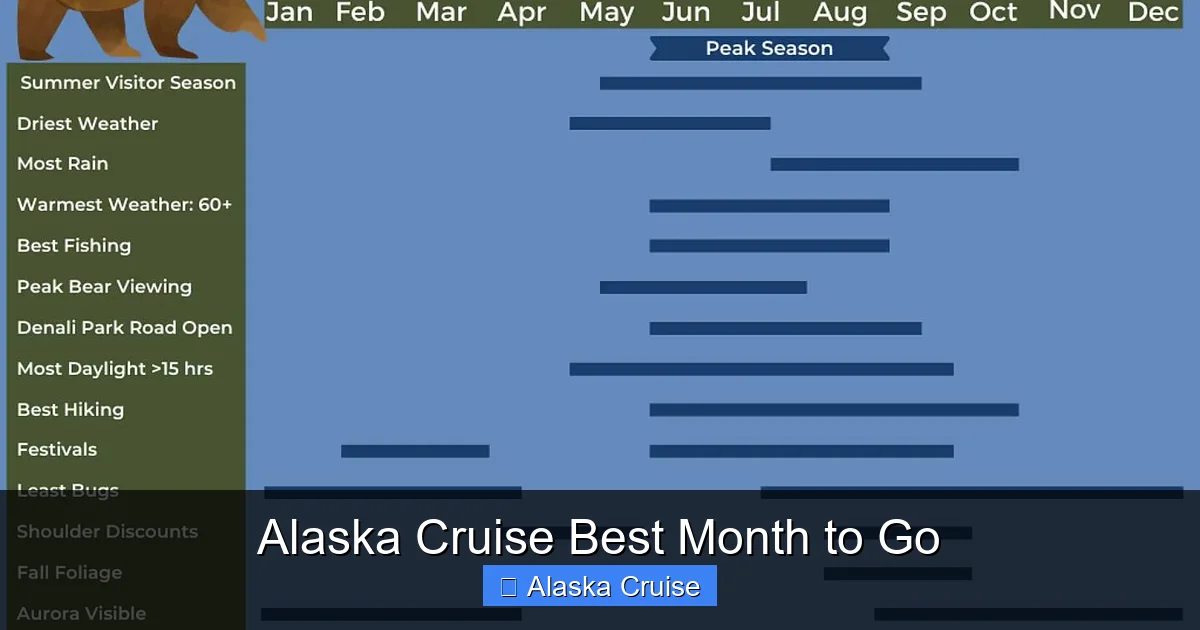
alaska cruise best month to go is an essential topic that provides valuable insights and practical knowledge for anyone interested in learning more about this subject.
Key Takeaways
- Understanding alaska cruise best month to go: Provides essential knowledge for making informed decisions
- Practical applications: Can be applied in various real-world scenarios
- Key benefits: Offers significant advantages when properly implemented
- Important considerations: Requires attention to specific details and best practices
- Future implications: Continues to evolve and impact related fields
📑 Table of Contents
- Alaska Cruise Best Month to Go: Your Complete Guide to Timing the Perfect Voyage
- Understanding Alaska’s Cruise Season: When Does It Run?
- Weather and Climate: What to Expect Each Month
- Wildlife Viewing: When to See Alaska’s Iconic Animals
- Glacier Viewing: Chasing Icebergs and Calving Glaciers
- Crowds, Costs, and Booking Tips: Finding the Sweet Spot
- Sample Itineraries and What to Expect Each Month
- Final Thoughts: Choosing the Best Month for You
Alaska Cruise Best Month to Go: Your Complete Guide to Timing the Perfect Voyage
Imagine standing on the deck of a ship, the crisp Alaskan wind brushing your face, as a massive glacier calves into the icy sea with a thunderous crack. Or picture yourself spotting a humpback whale breaching in the distance, while bald eagles soar above snow-capped peaks. These are the moments that make an Alaska cruise unforgettable—but when you go can make all the difference.
Choosing the best month to go on an Alaska cruise isn’t just about picking a date on the calendar. It’s about aligning your travel dreams with weather, wildlife, crowds, and even pricing. Whether you’re a first-time cruiser or a seasoned adventurer, timing your trip right ensures you get the most out of this once-in-a-lifetime experience. In this guide, we’ll walk you through everything you need to know to pick the ideal month for your Alaskan adventure—without the fluff, just real talk from someone who’s been there.
Understanding Alaska’s Cruise Season: When Does It Run?
Alaska’s cruise season is surprisingly short—typically running from late April to early October. That’s only about six months, and each month brings its own unique flavor. Unlike Caribbean cruises that operate year-round, Alaska’s harsh winters make cruising impossible from November through March. So, your window of opportunity is limited, and understanding the rhythm of the season is key.
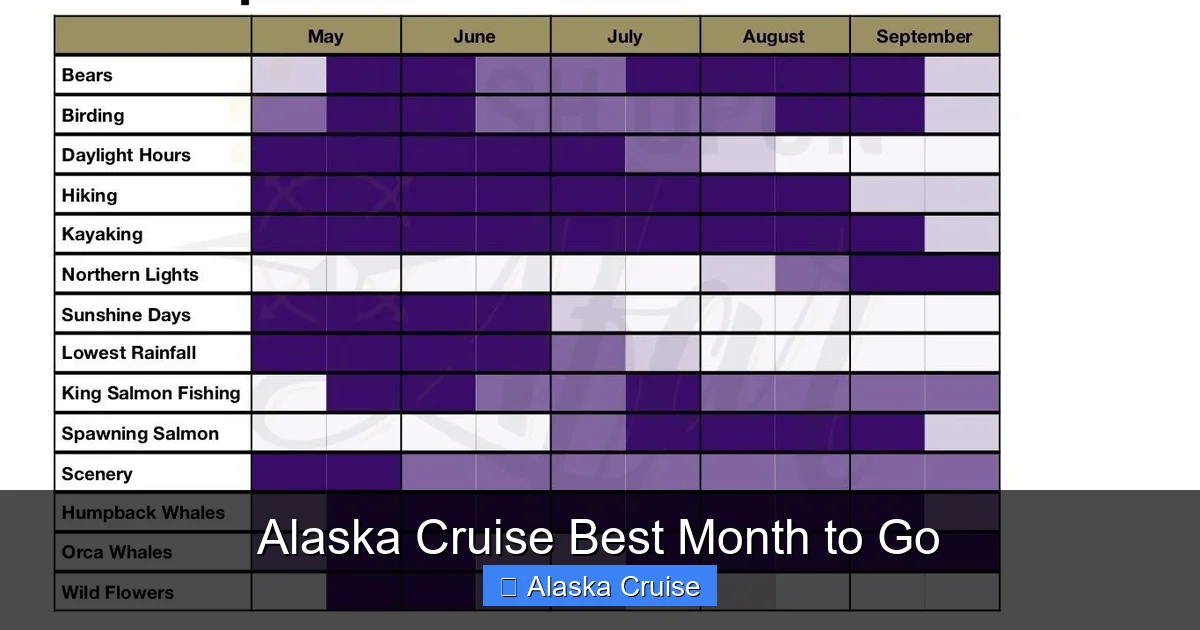
Visual guide about Alaska Cruise Best Month to Go
Image source: i.pinimg.com
The season usually kicks off in mid-to-late April, when the first ships begin sailing from ports like Seattle, Vancouver, or Anchorage. By May, the season is in full swing, and by June and July, it’s peak time—packed with travelers, long daylight hours, and vibrant wildlife. August remains busy, but things start to wind down in September, with fewer crowds and lower prices. October sees only a handful of late-season departures, often focused on glacier viewing before the snow returns.
One thing to keep in mind: not all cruise lines operate every month. Major players like Holland America, Princess, and Norwegian Cruise Line offer sailings from May through September, while smaller expedition-style lines like UnCruise or Lindblad Expeditions may start as early as April or extend into October. So, your options depend not just on the month, but also on the type of experience you’re after.
Why the Season Is So Short
Alaska’s climate plays a huge role in the cruise season. Winters are long, dark, and bitterly cold, with many ports inaccessible due to ice and snow. Even in spring, some inland areas like Denali National Park may still be closed in April. By late summer, the weather is at its most stable, and by October, storms become more frequent, and daylight dwindles rapidly.
Another factor is wildlife migration. Many animals, like bears and whales, are most active during the summer months. For example, humpback whales migrate to Alaskan waters from May to September to feed, making this the prime window for whale watching. If you’re hoping to see these majestic creatures, you’ll want to be there during their peak season.
Weather and Climate: What to Expect Each Month
Weather is one of the biggest factors in deciding the best month to go on an Alaska cruise. While Alaska is known for its rugged beauty, it’s also known for unpredictable weather—even in summer. But don’t let that scare you. With the right expectations and packing, you’ll be ready for anything.
In general, temperatures during the cruise season range from the 40s°F (4–9°C) in spring and fall to the 60s°F (15–20°C) in peak summer. Rain is common, especially in coastal areas like Ketchikan and Juneau, so a good waterproof jacket is a must. But don’t expect constant downpours—Alaska’s weather can shift from sunny to stormy in minutes, so flexibility is key.
April and May: Spring Awakening
If you’re looking for a quieter, more intimate experience, late April and May can be a great choice. The landscape is coming alive—flowers are blooming, rivers are thawing, and wildlife is becoming more active. Temperatures are cooler, averaging in the 40s and 50s°F, but the scenery is stunning, with snow still clinging to mountain peaks.
One downside? Some attractions may still be closed. For example, the scenic train ride to Denali might not be fully operational until June. Also, daylight hours are increasing rapidly—by late May, you’ll have nearly 18 hours of daylight, which is great for sightseeing but can mess with your sleep schedule if you’re not prepared.
June and July: Peak Season Perks
These are the most popular months for a reason. June and July offer the warmest weather, longest days, and the best access to ports and excursions. Daylight lasts up to 19 hours in some areas, giving you plenty of time to explore. Wildlife is abundant—bears are fishing for salmon, whales are feeding, and birds are nesting.
But popularity comes with a cost. Crowds are at their peak, especially in popular ports like Skagway and Juneau. Prices for cruises and excursions are higher, and booking well in advance is essential. If you’re looking for a lively atmosphere and don’t mind the hustle, this is the time to go.
August: Summer’s Last Hurrah
August is still part of the peak season, but it has a slightly different vibe. The weather remains pleasant, though it can be a bit wetter than July. Wildlife is still active, and the crowds begin to thin slightly toward the end of the month. It’s a great balance between good conditions and slightly lower demand.
One highlight of August is the salmon run. If you’re visiting places like Ketchikan or Haines, you might witness thousands of salmon swimming upstream—a truly wild sight. It’s also a great time for hiking and outdoor activities, as trails are clear and accessible.
September and October: Fall’s Quiet Beauty
As summer fades, Alaska transforms into a golden wonderland. September offers crisp air, fewer tourists, and lower prices. The fall colors are spectacular, especially in inland areas like the Kenai Peninsula. Wildlife is still active, and you might even catch the northern lights in late September if you’re lucky.
By October, the season is winding down. Only a few cruise lines operate, and most itineraries focus on glacier viewing and wildlife. Weather becomes more unpredictable, with colder temperatures and increased chance of snow. But if you’re seeking solitude and don’t mind bundling up, this can be a magical time to visit.
Wildlife Viewing: When to See Alaska’s Iconic Animals
One of the biggest draws of an Alaska cruise is the chance to see wildlife in its natural habitat. From bears catching salmon to whales breaching in the deep, these encounters are what make the trip unforgettable. But timing matters—different animals are active at different times of the year.
Bears: The Salmon Feast
If seeing brown bears or black bears is on your bucket list, July through September is your best bet. This is when salmon return to rivers to spawn, and bears gather along the banks to feed. Places like Katmai National Park and Kodiak Island are prime bear-watching spots, but even in ports like Haines or Gustavus (near Glacier Bay), you might spot them from a distance.
For example, in late July and August, the Brooks Falls area in Katmai becomes a hotspot for bear activity. While most cruise passengers don’t go inland, some expedition cruises offer bear-viewing excursions via small planes or boats. If this is a priority, look for itineraries that include bear-focused excursions.
Whales: Giants of the Deep
Humpback whales, orcas, and gray whales are common in Alaskan waters, but their presence varies by month. Humpbacks typically arrive in May and stay through September, with peak sightings in June, July, and August. They’re often spotted near Juneau, Icy Strait Point, and Stephens Passage.
Orcas (killer whales) can be seen year-round, but they’re most commonly spotted in summer. Gray whales, on the other hand, migrate through Alaska in spring and fall. If you’re cruising in April or October, you might catch them passing through on their long journey.
Tip: Bring binoculars and book a whale-watching excursion. Many ports offer boat tours specifically designed for wildlife viewing. I once spent three hours on a small boat near Juneau, watching a pod of humpbacks feed—completely worth the extra cost.
Birds and Other Wildlife
Alaska is a birdwatcher’s paradise. From bald eagles to puffins, the variety is staggering. May through August is the best time for birding, as migratory species return to nest and raise their young. Puffins, in particular, are easiest to spot in June and July on islands like St. Lazaria near Sitka.
Other wildlife includes moose, mountain goats, sea otters, and even the occasional wolf (though sightings are rare). Keep your camera ready—you never know what might appear on the shoreline or in the water.
Glacier Viewing: Chasing Icebergs and Calving Glaciers
No Alaska cruise is complete without seeing a glacier. These ancient rivers of ice are among the most awe-inspiring sights on Earth. But when you go can affect what you see—and how close you can get.
Best Glaciers to See
Some of the most famous glaciers include Mendenhall Glacier (near Juneau), Hubbard Glacier (near Yakutat), and Margerie and Lamplugh Glaciers in Glacier Bay National Park. Each offers a unique experience, from hiking trails to up-close ship encounters.
Hubbard Glacier, one of the largest in North America, is especially dramatic. Ships often cruise within a few hundred yards, and the sound of ice calving—like thunder—is unforgettable. I remember standing on deck, wrapped in a blanket, as a chunk the size of a house broke off and crashed into the water. It was both beautiful and humbling.
When Is Glacier Viewing Best?
Glaciers are visible throughout the cruise season, but May through September offers the best conditions. In spring, glaciers are more stable, and in summer, longer days allow for extended viewing. However, calving activity tends to increase in July and August due to warmer temperatures, so you’re more likely to witness dramatic ice events during these months.
One thing to note: glaciers are retreating due to climate change. While they’re still massive and impressive, some, like Mendenhall, are visibly smaller than they were a decade ago. Seeing them now is a powerful reminder of nature’s fragility.
Tip: Choose a cruise that includes Glacier Bay National Park. It’s a UNESCO World Heritage Site and offers some of the most pristine glacier viewing in Alaska. Ships typically spend a full day here, with park rangers on board to share insights.
Crowds, Costs, and Booking Tips: Finding the Sweet Spot
Let’s be real—no one wants to share their Alaskan adventure with thousands of other tourists. But avoiding crowds often means trading off something else, like weather or wildlife. The key is finding your personal sweet spot.
Peak Season: June to August
If you’re okay with crowds and higher prices, June through August offers the best overall experience. You’ll have access to all ports, full excursion availability, and the best weather. But expect to pay a premium—cruise fares can be 20–30% higher than in shoulder months.
For example, a 7-day cruise in July might cost $2,500 per person, while the same itinerary in September could be $1,800. That’s a significant difference, especially if you’re traveling with family.
Shoulder Months: May and September
These months offer a great balance. May has fewer crowds, lower prices, and beautiful spring scenery. September brings fall colors, quieter ports, and the chance to see the northern lights. Both months have slightly cooler weather and a higher chance of rain, but the trade-offs are often worth it.
I took a cruise in early September and had entire docks to myself in Skagway. We even had a private moment with a moose near the trailhead—something that wouldn’t have happened in July.
Booking Tips
- Book early for peak season: Cruises in June and July sell out fast, sometimes a year in advance.
- Look for last-minute deals in September: Some lines offer discounts to fill remaining cabins.
- Consider repositioning cruises: These are one-way trips at the start or end of the season and often come with big savings.
- Check for port closures: Some smaller ports may not open until June, so verify your itinerary.
Sample Itineraries and What to Expect Each Month
To help you visualize the differences, here’s a quick look at what a typical 7-day cruise might offer in different months. These examples are based on popular routes from Seattle or Vancouver.
| Month | Weather | Wildlife | Crowds | Price Range (per person) | Best For |
|---|---|---|---|---|---|
| April | Cool (40s–50s°F), some snow | Early bird arrivals, few whales | Very low | $1,200–$1,800 | Solitude, spring scenery |
| May | Mild (50s–60s°F), increasing daylight | Bears active, whales arriving | Low to moderate | $1,500–$2,200 | Balanced experience |
| June | Warm (60s°F), long days | Peak wildlife, salmon runs begin | High | $2,000–$2,800 | Full access, best weather |
| July | Warmest (60s–70s°F), sunny | Peak whale and bear activity | Very high | $2,200–$3,000 | Family trips, festivals |
| August | Warm, occasional rain | Salmon runs, bears feeding | High, thinning late month | $2,000–$2,700 | Outdoor adventures |
| September | Cool (50s°F), fall colors | Bears active, possible northern lights | Low | $1,400–$2,000 | Quiet, scenic, budget-friendly |
| October | Cold (40s°F), possible snow | Whales migrating, few bears | Very low | $1,000–$1,600 | Glacier viewing, solitude |
This table gives you a snapshot, but remember—every cruise is different. Some lines focus more on luxury, while others emphasize adventure. Read reviews, compare itineraries, and choose based on your priorities.
Final Thoughts: Choosing the Best Month for You
So, what’s the best month to go on an Alaska cruise? The truth is, there’s no single right answer—only the right answer for you.
If you want the full Alaskan experience with warm weather, long days, and abundant wildlife, June, July, or August are your best bets. But be prepared for crowds and higher prices.
If you prefer a quieter, more budget-friendly trip with stunning scenery and fewer tourists, consider May or September. You’ll still see glaciers, wildlife, and breathtaking landscapes—just with a bit more peace and solitude.
And if you’re an early bird or a late-season adventurer, April or October can offer unique rewards, from spring blooms to the first hints of winter magic.
Ultimately, the best time to go is when it fits your schedule, budget, and travel style. Alaska is a place that rewards patience and presence. Whether you’re watching a glacier calve under a midnight sun or sipping coffee as a whale spouts in the distance, the memories you make will last a lifetime.
So pack your layers, charge your camera, and get ready for the adventure of a lifetime. Just remember—no matter when you go, Alaska will exceed your expectations.
Frequently Asked Questions
What is alaska cruise best month to go?
alaska cruise best month to go is an important topic with many practical applications and benefits.
How can alaska cruise best month to go help me?
Understanding alaska cruise best month to go can improve your knowledge and provide practical solutions.