Choosing the Alaska cruise best camera means balancing portability, durability, and image quality in unpredictable conditions. Whether you’re photographing breaching whales or misty fjords, the right gear ensures stunning, lasting memories from your Alaskan adventure.
Planning an Alaska cruise in 2026? You’re in for one of the most visually stunning journeys on Earth. From towering glaciers calving into icy waters to bald eagles soaring above dense rainforests, Alaska offers endless photo opportunities. But capturing these moments requires more than just pointing and shooting—you need the right tool for the job. That’s why finding the Alaska cruise best camera is essential for travelers who want to preserve their adventure in crisp, vibrant detail.
The challenge? Alaska’s environment is as unpredictable as it is beautiful. One moment you’re basking in golden-hour sunlight on deck; the next, you’re dodging a sudden squall while hiking through Tongass National Forest. Your camera must handle moisture, temperature swings, and constant movement—all while delivering professional-quality images. And let’s be honest: no one wants to lug around a heavy DSLR all day when they’re exploring Skagway or kayaking near Juneau.
That’s where the 2026 camera market shines. Advances in mirrorless technology, lens design, and weatherproofing have made it easier than ever to find a camera that’s both powerful and portable. Whether you’re a seasoned photographer or a casual snapper, there’s an Alaska cruise best camera tailored to your needs. In this guide, we’ll walk you through everything you need to know—from key features to look for, top models to consider, and practical tips to keep your gear safe and your shots sharp.
Key Takeaways
- Weather resistance is critical: Alaska’s coastal climate brings rain, fog, and salt spray—opt for cameras with robust weather sealing.
- Zoom range matters for wildlife: A telephoto lens (300mm+) helps capture distant bears, eagles, and whales without disturbing them.
- Mirrorless cameras lead in 2026: Lightweight, high-resolution, and fast autofocus make mirrorless models ideal for cruise excursions.
- Image stabilization is a must: On moving ships and shaky docks, in-body or lens stabilization reduces blur in low light.
- Pack extra batteries and memory cards: Cold temperatures drain power quickly; always carry backups.
- Consider a secondary compact camera: For quick shots during shore tours, a pocket-sized powerhouse like the Sony RX100 VII is perfect.
- Protect your gear with a dry bag: Waterproof storage prevents damage during zodiac rides and sudden downpours.
📑 Table of Contents
Why Camera Choice Matters on an Alaska Cruise
Alaska isn’t just another vacation destination—it’s a sensory overload of natural wonders. Imagine standing on the deck of your ship as a humpback whale breaches just 50 yards away, or hiking through a moss-covered forest where every tree seems to glow in the mist. These moments are fleeting, and if your camera isn’t ready, you’ll miss them.
Unlike urban or resort photography, Alaska demands versatility. You’ll shoot in bright daylight, overcast skies, and even near-total darkness during early-morning wildlife tours. Lighting changes fast, and so do your subjects. A bear fishing for salmon might appear out of nowhere, and you’ll need instant autofocus and burst mode to capture the action.
Moreover, cruise excursions often involve small boats, rugged terrain, and unpredictable weather. Your camera must be durable enough to survive a splash from a zodiac ride or a sudden downpour in Ketchikan. At the same time, it should be light enough to carry all day without weighing you down.
That’s why the Alaska cruise best camera isn’t just about megapixels or brand names—it’s about reliability, adaptability, and ease of use. The right camera lets you focus on the experience, not the settings.
Top Features to Look for in the Alaska Cruise Best Camera
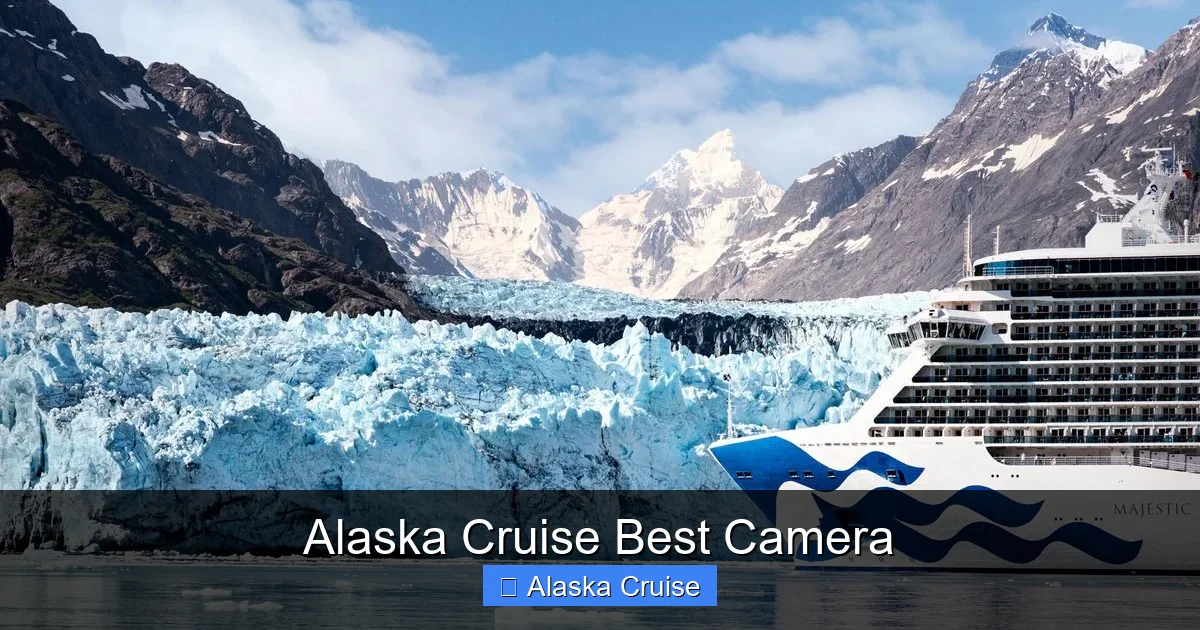
Visual guide about Alaska Cruise Best Camera
Image source: dynamic-media-cdn.tripadvisor.com
When evaluating cameras for your 2026 Alaska cruise, keep these essential features in mind. They’ll help you narrow down your options and ensure you’re prepared for anything the Last Frontier throws your way.
Weather Sealing and Durability
Alaska’s coastal climate is notoriously wet. Rain, fog, and sea spray are common, even in summer. A camera with proper weather sealing—look for terms like “dustproof,” “splash-proof,” or “IP-rated”—will protect internal components from moisture and debris. Models like the Olympus OM-1 or Canon EOS R6 Mark II offer excellent sealing and have proven their worth in harsh conditions.
Durability also extends to build quality. Magnesium alloy bodies resist dings and drops, while rubber grips provide better handling in cold, wet hands. Avoid plastic-heavy cameras if you plan on serious outdoor shooting.
Zoom Range and Lens Flexibility
Wildlife is a major draw in Alaska, but you can’t always get close. A telephoto lens with at least 300mm reach (or equivalent) is ideal for capturing distant whales, bears, and mountain goats. Many mirrorless cameras support interchangeable lenses, giving you the freedom to switch from wide-angle landscapes to tight wildlife shots.
If you prefer an all-in-one solution, consider a superzoom bridge camera like the Panasonic Lumix FZ3000. It offers a 20-1200mm equivalent zoom in a single lens—perfect for travelers who don’t want to carry multiple lenses.
Image Stabilization
Cruise ships move, and so do zodiacs, kayaks, and hiking trails. Even slight motion can blur your photos, especially in low light or when using long zooms. In-body image stabilization (IBIS) or lens-based stabilization (like Canon’s IS or Nikon’s VR) compensates for shake, allowing slower shutter speeds without blur.
For example, the Sony Alpha 7 IV offers 5.5-stop IBIS, meaning you can shoot handheld at slower speeds and still get sharp results. This is a game-changer during early-morning glacier tours or evening wildlife cruises.
Autofocus Performance
Fast, accurate autofocus is crucial for capturing moving subjects. Look for cameras with advanced subject detection—especially eye and animal AF. The Nikon Z8 and Fujifilm X-T5 excel in this area, locking onto birds in flight or bears on the move with impressive speed.
In 2026, AI-powered autofocus systems are becoming standard, making it easier than ever to get sharp shots of unpredictable wildlife. These systems learn and adapt, improving performance with each use.
Battery Life and Cold Weather Performance
Cold temperatures drain batteries faster. A camera that lasts all day in mild weather might die by lunch in Alaska’s chilly mornings. Choose models with long battery life—or better yet, pack extras.
The Canon EOS R5 C, for instance, uses a high-capacity LP-E6NH battery that holds up well in cold conditions. Some photographers also use battery grips to double their shooting time.
Top Camera Recommendations for Alaska Cruises in 2026
With so many great options on the market, it can be hard to choose. Here are our top picks for the Alaska cruise best camera in 2026, based on performance, portability, and real-world usability.
Best Overall: Sony Alpha 7C II
The Sony Alpha 7C II strikes the perfect balance between size, power, and image quality. Weighing just 514 grams, it’s one of the lightest full-frame mirrorless cameras available—ideal for long days on the trail. It features a 33MP sensor, 10fps burst shooting, and real-time animal eye AF.
Its compact body doesn’t sacrifice performance. The 5-axis IBIS ensures sharp shots even on a rocking boat, and the magnesium alloy build offers solid weather resistance. Pair it with the Sony FE 24-105mm f/4 G OSS lens for a versatile all-in-one kit.
Best for Wildlife: Nikon Z8
If wildlife photography is your priority, the Nikon Z8 is a powerhouse. With a 45.7MP sensor, 20fps continuous shooting, and advanced subject detection, it’s built for action. Its weather-sealed body handles rain and dust with ease, and the ergonomic grip makes it comfortable to hold for hours.
The Z8 also supports high-speed video up to 120fps in 4K, perfect for capturing slow-motion whale breaches. Pair it with the Nikkor Z 100-400mm f/4.5-5.6 VR S lens for stunning long-range shots.
Best Budget Option: Fujifilm X-S20
Don’t let the price fool you—the Fujifilm X-S20 delivers pro-level features at a fraction of the cost. It’s lightweight, easy to use, and packed with film simulation modes that give your photos a unique, cinematic look.
With a 26.1MP APS-C sensor, 8fps burst mode, and excellent autofocus, it’s more than capable of handling Alaska’s challenges. The included battery lasts longer than most, and the camera supports USB-C charging—great for topping up during shore excursions.
Best Compact: Sony RX100 VII
For travelers who want maximum portability, the Sony RX100 VII is the ultimate pocket camera. It fits in your jacket pocket but packs a 20.1MP sensor, 24-200mm zoom lens, and lightning-fast autofocus.
Its pop-up electronic viewfinder is a lifesaver in bright sunlight, and the 4K video quality rivals larger cameras. While it lacks weather sealing, a simple rain cover or dry bag keeps it safe during wet conditions.
Best All-in-One: Panasonic Lumix FZ3000
If you prefer a single-lens solution, the Panasonic Lumix FZ3000 is hard to beat. Its 20-1200mm equivalent zoom covers everything from wide fjords to distant eagles. The 1-inch sensor delivers excellent image quality, and the camera is fully weather-sealed.
It’s heavier than a compact but lighter than a DSLR, making it a great middle ground. The built-in EVF and tilting touchscreen add to its versatility.
Essential Accessories for Your Alaska Camera Kit
Even the best camera won’t perform well without the right accessories. Here’s what to pack to get the most out of your Alaska cruise photography.
Extra Batteries and Memory Cards
Cold weather kills batteries fast. Always carry at least two fully charged spares. Use high-capacity cards (64GB or more) and bring multiple backups. Format cards regularly to avoid corruption.
Lens Filters
A circular polarizing filter reduces glare on water and enhances sky contrast—perfect for glacier and ocean shots. A UV filter protects your lens from scratches and salt spray.
Tripod or Monopod
For long exposures of waterfalls or low-light aurora shots, a lightweight travel tripod is invaluable. Look for carbon fiber models that fold down small. A monopod offers stability with less bulk.
Rain Cover or Dry Bag
Protect your gear with a waterproof cover or dry bag. Brands like ThinkTank and Op/Tech offer camera-specific rain sleeves that allow full access while keeping moisture out.
Cleaning Kit
Salt, sand, and moisture can damage lenses and sensors. Pack a microfiber cloth, lens pen, and blower to keep your gear clean.
Tips for Capturing Stunning Alaska Photos
Great gear helps, but technique matters just as much. Use these tips to elevate your Alaska photography.
Shoot During Golden Hour
The hour after sunrise and before sunset offers soft, warm light that enhances landscapes and wildlife. Plan your excursions around these times when possible.
Use Burst Mode for Action
Whales, birds, and bears move fast. Use continuous shooting mode to increase your chances of getting the perfect shot.
Compose with Depth
Include foreground elements like rocks, trees, or ice to add depth to your images. This creates a more immersive photo.
Respect Wildlife
Never approach animals too closely. Use your zoom lens instead. Remember: your safety and the animal’s well-being come first.
Backup Your Photos Daily
Use a portable SSD or cloud storage to back up images each night. Losing a memory card could mean losing your entire trip’s photos.
Conclusion
Choosing the Alaska cruise best camera in 2026 is about more than specs—it’s about matching your gear to the adventure. With the right camera, you’ll capture not just images, but memories that last a lifetime. Whether you go with a full-frame mirrorless, a compact powerhouse, or a versatile superzoom, prioritize weather resistance, zoom range, and ease of use.
Pack smart, shoot often, and don’t forget to look up from the viewfinder. Alaska’s beauty is best experienced with both eyes—and a camera ready to preserve it.
Frequently Asked Questions
What is the best camera for an Alaska cruise in 2026?
The Sony Alpha 7C II is our top pick for 2026, offering full-frame image quality in a compact, weather-sealed body. It’s lightweight, powerful, and ideal for both landscapes and wildlife.
Do I need a telephoto lens for Alaska wildlife?
Yes. A telephoto lens (300mm or longer) lets you photograph distant animals like whales and bears without disturbing them. It’s essential for ethical and impactful wildlife shots.
Can I use a smartphone instead of a camera?
Smartphones are improving, but they lack the zoom, low-light performance, and weather resistance needed for Alaska. A dedicated camera delivers far better results in challenging conditions.
How do I protect my camera from rain and salt spray?
Use a weather-sealed camera and a rain cover or dry bag. Avoid changing lenses in wet conditions, and wipe down your gear after exposure to saltwater.
Should I bring a tripod on my Alaska cruise?
Yes, especially for long exposures of waterfalls or aurora photography. A lightweight travel tripod is easy to pack and makes a big difference in image quality.
What’s the best time of day to take photos in Alaska?
Golden hour—just after sunrise and before sunset—offers the most flattering light. It enhances colors and reduces harsh shadows, perfect for landscapes and wildlife.