The best time for an Alaska cruise in 2026 is from late May to early September, when weather is mild, wildlife is abundant, and daylight stretches into the evening. July and August offer peak conditions with warmer temperatures, full access to ports, and optimal chances to see glaciers calving and humpback whales breaching—making these months ideal for first-time cruisers and families alike.
Key Takeaways
- May to September offers the best weather and wildlife viewing for Alaska cruises.
- Book early for peak summer months to secure preferred cabins and itineraries.
- June and July provide long daylight hours and peak whale-watching opportunities.
- Shoulder months (May, September) offer lower prices and fewer crowds.
- Pack layers—Alaska’s weather changes quickly, even in summer.
- Choose itineraries that include Glacier Bay or Hubbard Glacier for unforgettable views.
📑 Table of Contents
- Alaska Cruise 2026 Best Time of Year
- Understanding Alaska’s Cruise Season: A Month-by-Month Breakdown
- Weather and Climate: What to Expect in 2026
- Wildlife Viewing: When to See What
- Crowds, Pricing, and Booking Tips for 2026
- Sample 2026 Alaska Cruise Itineraries by Month
- Final Thoughts: Choosing Your Perfect Alaska Cruise in 2026
Alaska Cruise 2026 Best Time of Year
So, you’re dreaming of icy fjords, towering glaciers, and maybe even a glimpse of a breaching humpback whale? An Alaska cruise in 2026 might just be the adventure you’ve been waiting for. But here’s the big question: when should you go? With so many moving parts—weather, wildlife, crowds, and pricing—it’s easy to feel overwhelmed. Don’t worry, I’ve been there. I remember staring at a calendar, trying to balance my desire for sunny skies with my budget and the hope of spotting a brown bear along the shoreline. That’s why I’m here to help you figure out the Alaska cruise 2026 best time of year—so you can set sail with confidence and excitement.
Alaska’s cruise season runs from late April through early October, but not every month is created equal. Some travelers want warm weather and long days, while others are chasing the Northern Lights (spoiler: you won’t see them on a summer cruise). Some are all about wildlife sightings, while others prioritize lower prices and fewer crowds. The truth is, there’s no single “perfect” time—only the best time for you. In this guide, I’ll walk you through each month of the 2026 Alaska cruise season, breaking down the pros and cons so you can make a smart, personalized decision. Whether you’re a first-time cruiser or a seasoned Alaskan explorer, this post will help you plan a trip that feels just right.
Understanding Alaska’s Cruise Season: A Month-by-Month Breakdown
Alaska’s cruise season is relatively short—just about six months long—but each month offers a unique experience. The season typically kicks off in late April and wraps up in early October. During this window, the weather warms up enough for comfortable cruising, wildlife becomes active, and the days grow long (and I mean really long). But as the season progresses, conditions change. Let’s dive into what you can expect each month in 2026.

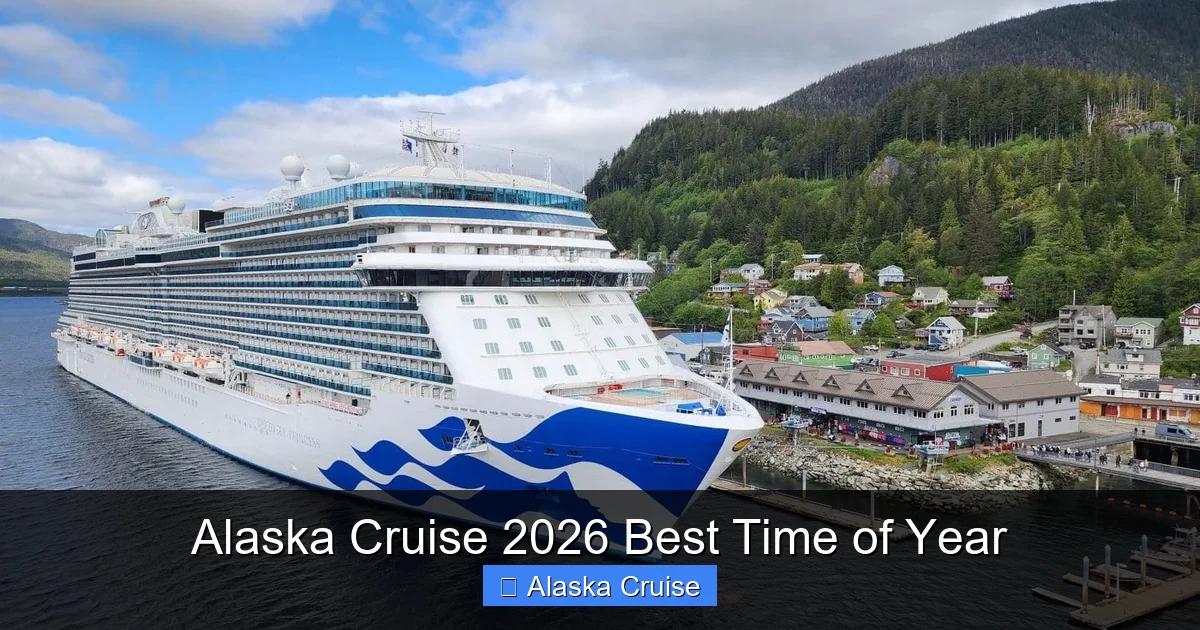
Visual guide about Alaska Cruise 2026 Best Time of Year
Image source: thumbs.dreamstime.com
Late April to Early May: The Quiet Start
If you’re looking for a peaceful, off-the-beaten-path experience, late April and early May might be your sweet spot. The cruise season is just beginning, so ships are fewer, ports are quieter, and you’ll likely score some great deals. The weather is still cool—think 40s to low 50s°F (4–10°C)—but sunny days are possible, especially in southern ports like Ketchikan and Juneau. Snow is still visible in the mountains, giving the landscape a dramatic, untouched beauty.
Wildlife is starting to wake up. You might spot bald eagles, sea lions, and even early-migrating whales. However, some excursions—like bear viewing or glacier hikes—may be limited due to lingering snow and ice. Also, daylight hours are increasing rapidly. By late May, you’ll enjoy nearly 18 hours of daylight, which means more time to explore.
Pro tip: Book early for May departures. While it’s early in the season, these sailings often fill up fast because they offer a great balance of lower prices and improving conditions.
June: Peak Wildlife and Long Days
June is arguably one of the best months for an Alaska cruise in 2026. The weather is mild—average temperatures range from 50°F to 65°F (10–18°C)—and the days are gloriously long. In fact, in places like Juneau, you’ll get over 17 hours of daylight. That means more time for shore excursions, photography, and simply soaking in the views from the deck.
This is prime time for wildlife. Humpback whales are actively feeding in the nutrient-rich waters, and you’ll have a great chance of seeing them breach or slap their tails. Sea otters, puffins, and harbor seals are also common sightings. On land, brown bears are emerging from hibernation and can often be spotted along riverbanks in places like Katmai National Park or Admiralty Island.
One thing to keep in mind: June is popular. While not as crowded as July or August, you’ll still see more ships and tourists than in May. If you’re okay with a bit more activity and want the best of both worlds—good weather and abundant wildlife—June is a fantastic choice.
July and August: The Busy but Beautiful High Season
Welcome to peak season. July and August are the most popular months for Alaska cruises, and for good reason. The weather is at its warmest—often reaching the mid-60s to low 70s°F (18–22°C)—and the landscapes are lush and green. Glaciers are actively calving, creating those iconic “glacier thunder” sounds that echo through the fjords. It’s also the best time for outdoor activities like kayaking, hiking, and whale watching.
But with popularity comes crowds. Ports like Skagway and Juneau can feel bustling, and popular excursions (like the Mendenhall Glacier hike or a whale-watching tour) may require advance booking. That said, the energy is infectious. You’ll meet fellow travelers from around the world, and many cruise lines offer special events, lectures, and themed nights during these months.
Wildlife remains abundant. Whales are still active, and bear sightings are common, especially in areas like Pack Creek on Admiralty Island. However, some animals may be less visible due to increased human activity. If you’re looking for a vibrant, action-packed cruise with top-tier weather, July and August are hard to beat.
September: The Golden Transition
As summer fades, September brings a magical shift. The crowds thin out, the air turns crisp, and the landscapes begin to paint themselves in autumn hues. This is one of my favorite times to cruise Alaska. The weather is still pleasant—typically 45°F to 60°F (7–15°C)—and rain is less frequent than in earlier months.
Wildlife viewing remains excellent. Bears are actively feeding in preparation for hibernation, and you’ll have a great chance of spotting them near salmon streams. Whales are still around, though some species begin migrating south. One unique September perk? The possibility of seeing the Northern Lights. While not guaranteed, the longer nights increase your odds, especially on cruises that venture into more remote areas like the Inside Passage or Glacier Bay.
Another advantage: lower prices. September sailings often come with discounts, and you’ll have more flexibility with cabin choices. Just be prepared for cooler temperatures and pack layers. A waterproof jacket, warm hat, and gloves are must-haves.
Early October: The Final Farewell
October is the tail end of the cruise season, with most ships wrapping up by mid-month. If you’re flexible and love a bargain, this could be your moment. Prices are at their lowest, and you’ll have the ports almost to yourself. The scenery is stunning—think golden larch trees against snow-capped peaks—and the air has that crisp, clean feel that only autumn in Alaska can deliver.
However, weather becomes more unpredictable. Rain is more common, and temperatures can dip into the 30s°F (around 0–4°C). Some excursions may be canceled due to weather, and wildlife sightings become less reliable as animals prepare for winter. That said, if you’re up for a bit of adventure and don’t mind packing for all conditions, an early October cruise can be a deeply rewarding experience.
Weather and Climate: What to Expect in 2026
Alaska’s weather is famously unpredictable, but understanding the general patterns can help you pack and plan wisely. Unlike tropical destinations, Alaska doesn’t have a “dry” or “wet” season in the traditional sense. Instead, it’s all about temperature, precipitation, and daylight.
Temperature Trends by Month
Here’s a quick look at average temperatures during the 2026 cruise season:
- April–May: 40°F–55°F (4–13°C)
- June: 50°F–65°F (10–18°C)
- July–August: 55°F–70°F (13–21°C)
- September: 45°F–60°F (7–15°C)
- October: 35°F–50°F (2–10°C)
Keep in mind that coastal areas (like Ketchikan and Juneau) tend to be milder and wetter, while inland regions (like Skagway) can be cooler and drier. Also, temperatures can vary significantly from day to day. I remember one July morning in Glacier Bay where it was 72°F and sunny—by afternoon, a fog rolled in and dropped the temp to 58°F. Layers are your best friend.
Precipitation and Rainfall
Rain is a fact of life in Alaska, especially in the southern coastal regions. Ketchikan, for example, is one of the rainiest cities in the U.S., with an average of 160 inches of rainfall per year. However, the summer months (June through August) tend to be the driest, with September and October seeing a slight uptick in rain.
That said, don’t let the rain scare you. Many Alaskans joke that “there’s no such thing as bad weather, only bad clothing.” A good waterproof jacket, quick-dry pants, and sturdy footwear will keep you comfortable no matter what. And honestly, there’s something magical about watching a glacier calve in the mist—nature’s drama at its finest.
Daylight Hours: The Midnight Sun Effect
One of the most surreal aspects of an Alaska cruise is the amount of daylight. In June and July, the sun barely sets. In Juneau, for example, sunset in late June is around 10:30 PM, and sunrise is just after 4:00 AM—meaning you get over 17 hours of daylight. This “midnight sun” effect allows for extended sightseeing and unforgettable evening views.
By September, daylight decreases to about 12–13 hours, and by October, it’s closer to 10 hours. If you’re sensitive to light or need darkness to sleep, consider bringing a sleep mask. Some cruisers also appreciate the cozier, more intimate feel of shorter days as the season winds down.
Wildlife Viewing: When to See What
One of the biggest draws of an Alaska cruise is the chance to see incredible wildlife in their natural habitat. But timing matters. Different animals are active at different times of the year, so knowing when to go can dramatically improve your chances of spotting them.
Whales: The Summer Showstoppers
Humpback whales are the stars of the Alaska cruise experience, and they’re most active from May through September. These gentle giants migrate north to feed on krill and small fish in the rich Alaskan waters. June through August are peak months for whale sightings, with frequent breaching, tail slapping, and even bubble-net feeding.
Other whale species you might see include orcas (killer whales), gray whales (especially in spring and fall), and minke whales. Many cruise lines offer onboard naturalists who can identify species and explain their behaviors. I’ll never forget the time our ship slowed down for 20 minutes while a pod of orcas swam alongside us—pure magic.
Bears: From Hibernation to Feeding Frenzy
Brown bears (including grizzlies) are a major highlight for many travelers. They emerge from hibernation in April and May, and by June, they’re actively foraging for food. The best time for bear viewing is late summer—July and August—when salmon are running in rivers and streams. Places like Pack Creek (Admiralty Island) and the Katmai Coast offer guided bear-watching tours.
In September, bears are in a feeding frenzy, packing on pounds before winter. This is also a great time for sightings, especially in areas with late salmon runs. Just remember: always view bears from a safe distance and follow your guide’s instructions.
Seabirds and Marine Life
Alaska is a birdwatcher’s paradise. Puffins, bald eagles, murres, and cormorants are common along the coast. Puffins, in particular, are a fan favorite with their colorful beaks and comical waddle. They’re most visible from May through August, nesting on rocky cliffs and islands.
Sea otters, harbor seals, and Steller sea lions are also frequently spotted. Sea otters often float on their backs, using rocks to crack open shellfish—a behavior that never gets old. And if you’re lucky, you might even see a sea lion “haul out” on a rocky shore, basking in the sun.
Crowds, Pricing, and Booking Tips for 2026
Let’s talk logistics. When it comes to Alaska cruises in 2026, timing doesn’t just affect weather and wildlife—it also impacts crowds, pricing, and availability. Here’s how to navigate these factors like a pro.
Crowd Levels by Month
As you might expect, July and August are the busiest months. Ships are full, ports are lively, and popular excursions book up quickly. If you prefer a more relaxed pace, consider May, June, or September. These months offer a great balance of good weather and fewer tourists.
One thing to note: even during peak season, Alaska’s vast wilderness means you’ll rarely feel “crowded” in the traditional sense. You might share a port with another ship, but once you’re out on a kayak or hiking trail, it’s easy to find solitude.
Pricing Trends and Deals
Alaska cruises can be pricey, but there are ways to save. Here’s a general pricing breakdown for 2026:
- April–May and September–October: Lower prices, often 20–30% cheaper than peak months
- June: Moderate pricing, with early-bird discounts available
- July–August: Highest prices, with limited availability
Booking early is key. Many cruise lines open their 2026 itineraries in late 2024 or early 2025. If you book 12–18 months in advance, you’ll have the best cabin selection and often qualify for perks like onboard credit or free upgrades.
Also, keep an eye out for “flash sales” or last-minute deals. While risky, these can offer significant savings—especially for flexible travelers.
Booking Tips for a Smooth Experience
Here are a few practical tips to help you book your 2026 Alaska cruise with confidence:
- Choose your itinerary wisely: Decide whether you want a round-trip cruise from Seattle or Vancouver, or one that sails one-way between Seattle and Seward (or Vancouver and Whittier). One-way cruises often include a land tour, which can be a great way to see more of Alaska.
- Book excursions early: Popular tours—like whale watching in Juneau or a glacier hike in Skagway—sell out fast. Book them as soon as your cruise is confirmed.
- Consider travel insurance: Alaska’s weather can be unpredictable, and flights to/from ports can be delayed. Travel insurance can save you money and stress.
- Pack smart: Bring layers, waterproof gear, binoculars, and a good camera. Don’t forget motion sickness medication if you’re prone to seasickness.
Sample 2026 Alaska Cruise Itineraries by Month
To help you visualize your options, here’s a quick look at sample itineraries for different months in 2026. These are based on popular routes offered by major cruise lines like Holland America, Princess, and Norwegian.
| Month | Sample Itinerary | Highlights | Best For |
|---|---|---|---|
| May | 7-day round-trip from Seattle: Seattle → Ketchikan → Juneau → Skagway → Seattle | Early wildlife, fewer crowds, lower prices | Budget travelers, first-time cruisers |
| June | 7-day round-trip from Vancouver: Vancouver → Ketchikan → Juneau → Glacier Bay → Vancouver | Peak whale season, long daylight hours | Wildlife enthusiasts, photographers |
| July | 7-day one-way: Seattle → Ketchikan → Juneau → Skagway → Seward | Warm weather, glacier calving, full excursion availability | Families, adventure seekers |
| August | 7-day round-trip from Seattle: Seattle → Juneau → Skagway → Ketchikan → Seattle | Peak season energy, vibrant ports | Social travelers, event lovers |
| September | 7-day round-trip from Vancouver: Vancouver → Ketchikan → Juneau → Glacier Bay → Vancouver | Autumn colors, bear viewing, possible Northern Lights | Nature lovers, photographers, couples |
| October | 7-day round-trip from Seattle: Seattle → Ketchikan → Juneau → Skagway → Seattle | Lowest prices, serene landscapes | Budget travelers, solitude seekers |
Final Thoughts: Choosing Your Perfect Alaska Cruise in 2026
So, what’s the Alaska cruise 2026 best time of year? The answer depends on what you value most. If you want warm weather, long days, and bustling ports, July and August are your best bet. If you’re chasing wildlife and don’t mind a few more people, June is hard to beat. For a quieter, more affordable experience with stunning autumn scenery, September is a gem. And if you’re flexible and love a deal, May or October could be your golden ticket.
No matter when you go, an Alaska cruise is a journey you’ll never forget. It’s not just about the glaciers or the whales—it’s about the feeling of standing on the deck, wrapped in a warm jacket, as a massive iceberg calves into the sea. It’s about the silence of a misty fjord at dawn, broken only by the cry of a bald eagle. It’s about connecting with nature in a way that’s rare and precious.
As you plan your 2026 Alaska adventure, remember: there’s no wrong time to go. Every month has its own magic. The key is to choose the season that aligns with your priorities—whether that’s wildlife, weather, price, or peace and quiet. Start researching now, book early, and get ready for the trip of a lifetime. Alaska is waiting.
Frequently Asked Questions
What is alaska cruise 2026 best time of year?
alaska cruise 2026 best time of year is an important topic with many practical applications and benefits.
How can alaska cruise 2026 best time of year help me?
Understanding alaska cruise 2026 best time of year can improve your knowledge and provide practical solutions.