
Planning an Alaska cruise in 2026? The best time to go is typically between late May and early September, when weather is mild, wildlife is active, and daylight stretches into 18+ hours. This window offers the ideal balance of comfort, scenery, and value—making it the sweet spot for first-time and returning cruisers alike.
Dreaming of towering glaciers, breaching whales, and snow-capped peaks under endless daylight? An Alaska cruise in 2026 could be the adventure of a lifetime. But with so many departure dates and itineraries to choose from, one question stands out: *When is the best time to go?*
Alaska’s cruise season is short but spectacular—typically running from May through September. Unlike tropical destinations that welcome visitors year-round, Alaska’s northern climate means the window for comfortable cruising is limited. That said, each month within this season offers its own unique charm, from spring’s quiet beauty to summer’s bustling energy. Whether you’re chasing wildlife, seeking solitude, or hoping to stretch your travel budget, timing your trip right can make all the difference.
In this guide, we’ll break down the Alaska cruise 2026 best time to sail, covering weather patterns, wildlife activity, crowd levels, pricing trends, and must-see events. By the end, you’ll have a clear picture of which month aligns with your travel style—and how to book the perfect voyage for your 2026 Alaska adventure.
Key Takeaways
- Peak season is June to August: These months offer the warmest weather, longest days, and best wildlife viewing, but also the highest prices and largest crowds.
- Shoulder seasons (May and September) offer great value: Fewer tourists, lower fares, and still-decent weather make these months ideal for budget-conscious travelers.
- Wildlife sightings peak in July: Humpback whales, orcas, bears, and bald eagles are most active during midsummer, especially in Glacier Bay and Kenai Fjords.
- Glacier calving is best viewed in late June to August: Warmer temperatures increase glacial activity, making for dramatic icefalls and thunderous splashes.
- Northern Lights are not visible on summer cruises: The midnight sun prevents aurora viewing; consider a fall or winter trip if seeing the lights is a priority.
- Book early for 2026: Cruises fill quickly, especially for July and August departures—reserve 12–18 months in advance for the best cabins and itineraries.
- Pack layers regardless of month: Alaska’s weather can shift rapidly; waterproof gear, warm jackets, and quick-dry clothing are essential.
📑 Table of Contents
Understanding Alaska’s Cruise Season
Alaska’s cruise season is tightly bound to its brief but intense summer. Most major cruise lines—including Holland America, Norwegian Cruise Line, Princess Cruises, and Royal Caribbean—begin sailing in early May and wrap up by late September. This six-month window is when the state’s ports are accessible, wildlife is active, and weather is (relatively) mild.
But not all months are created equal. The season can be divided into three phases: the shoulder months (May and September), the peak season (June, July, and August), and the transition periods in between. Each phase offers distinct advantages and trade-offs.
For example, May brings fewer crowds and lower prices, but some excursions may not yet be operating at full capacity. September, on the other hand, offers crisp air, golden foliage, and post-summer tranquility—but daylight hours are shrinking, and temperatures can drop quickly.
Why the Season Is So Short
Alaska’s northern latitude means long, harsh winters with heavy snowfall and frozen waterways. Ports like Juneau, Ketchikan, and Skagway are only accessible by ship during the ice-free months. Additionally, many wildlife species migrate or hibernate outside of summer, reducing sightings in early spring or late fall.
Cruise lines also factor in operational costs. Running ships in colder months requires additional heating, de-icing, and staffing—expenses that aren’t justified by lower demand. As a result, the 2026 Alaska cruise season will likely mirror previous years, with most departures clustered between mid-May and mid-September.
How 2026 Might Differ
While Alaska’s climate patterns are fairly consistent, 2026 could see subtle shifts due to broader climate trends. Warmer-than-average temperatures in recent years have led to earlier glacier melt and extended wildlife activity. Some experts predict that 2026 may offer slightly longer cruising conditions, with May starting warmer and September staying milder than in the past.
That said, it’s wise not to rely on weather anomalies. Stick to the proven timeline—late May through early September—for the most reliable experience. And remember: even in summer, Alaska can surprise you with rain, wind, or fog. Flexibility and preparation are key.
Weather by Month: What to Expect in 2026
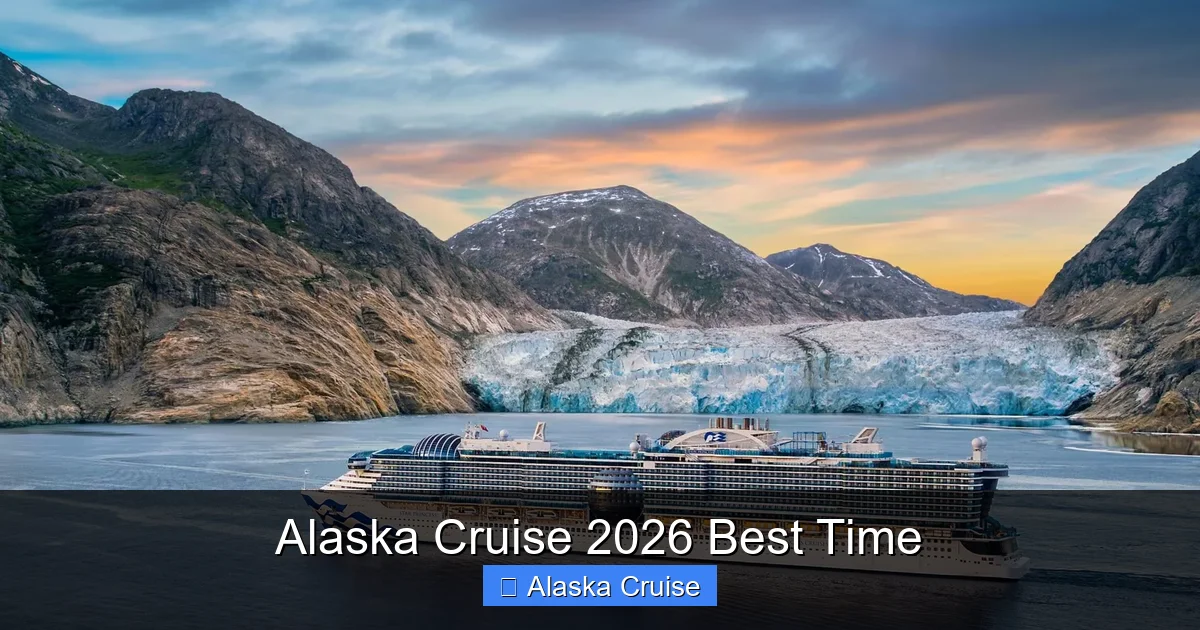
Visual guide about Alaska Cruise 2026 Best Time
Image source: themanual.com
One of the biggest factors in choosing your Alaska cruise date is weather. While “mild” by Alaskan standards doesn’t mean tropical, the summer months do offer comfortable conditions for sightseeing and outdoor activities. Here’s a month-by-month breakdown of what to expect in 2026.
May: Spring Awakening
May marks the start of the cruise season, with temperatures gradually warming after winter. Average highs range from 50°F to 60°F (10°C to 15°C), though mornings can still be chilly. Rain is common, especially in coastal towns like Ketchikan, which averages over 12 inches of precipitation this month.
Despite the dampness, May has its perks. The landscape is lush and green, waterfalls are at their peak flow from snowmelt, and the crowds are minimal. If you’re looking for a quieter, more intimate Alaska experience, May is a strong contender. Just pack a good rain jacket and waterproof boots.
June: Long Days and Blooming Beauty
June is when Alaska truly comes alive. Daylight hours stretch to nearly 18–20 hours in some areas, giving you ample time to explore. Temperatures climb to 55°F–65°F (13°C–18°C), and the risk of snow is virtually gone.
This is also when wildlife becomes more active. Bears emerge from hibernation, whales begin migrating north, and migratory birds fill the skies. Glacier calving increases as warmer temperatures loosen ice, making for dramatic photo opportunities.
One tip: June can still be unpredictable. A sudden cold snap or rainstorm isn’t uncommon, so layering is essential. But overall, June strikes a great balance between good weather and fewer crowds than July.
July: Peak Season Perfection
July is the heart of Alaska’s cruise season—and for good reason. It’s the warmest month, with average highs of 60°F–70°F (15°C–21°C). The weather is generally stable, and daylight lasts well into the evening.
This is also prime time for wildlife. Humpback whales are frequently spotted near Juneau and Icy Strait Point, brown bears fish for salmon in Katmai National Park, and bald eagles soar above fjords. Glacier Bay National Park sees the most activity, with massive ice chunks breaking off in thunderous displays.
But popularity comes with a price. July is the busiest month, with ships often sailing at full capacity. Ports can feel crowded, and popular excursions—like whale watching or dog sledding on glaciers—book up months in advance. If you’re set on July, book early and consider arriving a day before your cruise to avoid last-minute stress.
August: Summer’s Grand Finale
August maintains much of July’s warmth, with temperatures hovering around 60°F–68°F (15°C–20°C). The days are still long, though they begin to shorten toward the end of the month.
Wildlife remains abundant, especially in areas like Kenai Fjords and Prince William Sound. Salmon runs peak in August, drawing bears, eagles, and orcas to rivers and coastlines. It’s also a great time for hiking, with trails clear of snow and wildflowers in full bloom.
One advantage of August? Slightly lower prices than July, as demand begins to ease. You’ll still find plenty of fellow travelers, but not quite the same intensity as midsummer.
September: The Quiet Goodbye
September is the final month of the cruise season, and it’s a favorite among travelers who prefer a more relaxed pace. Temperatures start to dip, ranging from 45°F to 60°F (7°C to 15°C), and rain becomes more frequent.
But don’t let that deter you. September offers stunning fall colors, especially in inland areas like Haines and Skagway. Wildlife is still active, and the absence of summer crowds means you can enjoy ports and excursions in peace.
One caveat: some tours and attractions begin to close in mid-September. Check with your cruise line or tour operator to confirm availability. Also, pack extra layers—mornings and evenings can be quite cool.
Wildlife and Natural Phenomena: Timing Your Sightings
One of the biggest draws of an Alaska cruise is the chance to see incredible wildlife and natural wonders up close. But these experiences are highly seasonal. Timing your trip right can mean the difference between spotting a breaching whale and seeing nothing but waves.
Whale Watching: July Is King
Humpback whales are the stars of Alaska’s marine life, and July is their prime season. These majestic creatures migrate north to feed on krill and small fish, often putting on spectacular shows with tail slaps, breaches, and bubble-net feeding.
Popular whale-watching spots include:
– **Icy Strait Point:** Known for high whale activity and eco-friendly tours.
– **Juneau:** Offers boat excursions into Stephens Passage, a hotspot for humpbacks.
– **Ketchikan:** Nearby waters attract orcas and humpbacks, especially in midsummer.
If whale watching is a top priority, aim for a July or early August departure.
Bear Viewing: Late Summer Magic
Brown bears (including grizzlies) are most visible in late summer, particularly August and early September. This is when salmon runs are at their peak, and bears gather along rivers to feast.
Top bear-viewing destinations:
– **Katmai National Park:** Famous for Brooks Falls, where bears catch salmon mid-leap.
– **Kodiak Island:** Home to one of the largest brown bear populations in the world.
– **Anan Creek (near Wrangell):** Offers guided bear-viewing tours with high success rates.
Note: Access to these sites often requires a flight or small boat from your cruise port, so book excursions in advance.
Glacier Calving: A Summer Spectacle
Glaciers like Mendenhall (near Juneau) and Hubbard (near Yakutat) are dynamic, ever-changing landscapes. Calving—the process of ice breaking off into the water—is most dramatic in summer due to warmer temperatures and increased meltwater.
Late June through August offers the best chances to witness this natural phenomenon. The sound of ice crashing into the sea is unforgettable, and the resulting icebergs create a surreal seascape.
Tip: Choose a cruise with a glacier-focused itinerary, such as those visiting Glacier Bay or College Fjord. These areas are protected and offer some of the most accessible and impressive ice views.
Birds and Other Wildlife
Alaska is a birdwatcher’s paradise. From puffins and bald eagles to sandhill cranes and arctic terns, the state hosts over 500 bird species.
June and July are ideal for birding, as migratory species arrive in full force. Coastal areas like Ketchikan and Haines are especially rich in avian life.
Other wildlife to watch for:
– **Sea otters:** Common in kelp forests and near shorelines.
– **Steller sea lions:** Often seen basking on rocks in protected bays.
– **Moose:** More common inland, but occasionally spotted near ports like Skagway.
Crowds, Prices, and Booking Tips for 2026
Alaska cruises are popular, and 2026 is expected to be no different. With post-pandemic travel demand still strong and interest in outdoor adventures on the rise, securing your preferred dates and cabins will require planning.
Crowd Levels by Month
– **May and September:** Light crowds. Ports feel peaceful, and excursions are easy to book.
– **June and August:** Moderate to heavy crowds, especially in popular ports like Juneau and Ketchikan.
– **July:** Peak crowds. Expect lines at attractions, limited availability for tours, and busy dining rooms on ships.
If you prefer a quieter experience, avoid July unless you book well in advance.
Pricing Trends for 2026
Cruise fares follow a predictable pattern:
– **May and September:** Lowest prices. Look for deals starting around $800–$1,200 per person for 7-night cruises.
– **June and August:** Mid-range pricing. Expect $1,200–$1,800 per person.
– **July:** Highest prices. Fares can exceed $2,000 per person, especially for balcony cabins or specialty suites.
Booking early—ideally 12–18 months ahead—can save you hundreds. Many lines offer early-bird discounts, free upgrades, or onboard credits for 2026 bookings made in 2024 or early 2025.
How to Book Smart
– **Set price alerts:** Use cruise deal sites like Cruise Critic or Vacations to Go to monitor fare changes.
– **Consider repositioning cruises:** These one-way voyages (e.g., Seattle to Vancouver or vice versa) often offer lower per-night rates.
– **Choose your cabin wisely:** Interior cabins are cheapest, but oceanview or balcony rooms enhance the Alaska experience.
– **Bundle with airfare:** Some lines offer cruise + air packages that can save money and simplify planning.
Packing and Preparation: Be Ready for Anything
Alaska’s weather is famously unpredictable. Even in summer, you could experience sunshine, rain, wind, and fog—sometimes all in one day. Proper packing is essential for comfort and enjoyment.
Essential Clothing Items
– **Waterproof jacket and pants:** A must for rain and spray from glacier tours.
– **Layered clothing:** Thermal base layers, fleece or wool mid-layers, and a warm outer shell.
– **Waterproof hiking boots:** For shore excursions and wet docks.
– **Hat, gloves, and scarf:** Even in summer, mornings and evenings can be chilly.
– **Quick-dry clothing:** Ideal for active days and unexpected splashes.
Other Must-Haves
– **Binoculars:** For wildlife and glacier viewing.
– **Camera with extra batteries:** Cold weather drains batteries faster.
– **Sunscreen and sunglasses:** The sun is strong, especially near water and ice.
– **Motion sickness remedies:** Rough seas can occur, even in summer.
– **Reusable water bottle:** Stay hydrated during excursions.
Health and Safety Tips
– **Check vaccination requirements:** Some excursions may require specific immunizations.
– **Travel insurance:** Highly recommended for trip cancellations, medical emergencies, or missed ports.
– **Stay hydrated and warm:** Hypothermia can occur even in mild temperatures if you’re wet and windy.
Conclusion: Choosing Your Perfect Alaska Cruise Date in 2026
So, what’s the Alaska cruise 2026 best time? The answer depends on your priorities.
If you want the warmest weather, longest days, and peak wildlife activity, **July is the top choice**—but be ready for crowds and higher prices. For a balance of good conditions and value, **June or August** are excellent alternatives. And if you prefer a quieter, more budget-friendly trip with still-decent weather, **May or September** won’t disappoint.
No matter when you go, an Alaska cruise in 2026 promises unforgettable scenery, incredible wildlife, and the adventure of a lifetime. Start planning now, book early, pack smart, and get ready to experience the Last Frontier in all its glory.
Frequently Asked Questions
What is the best month for an Alaska cruise in 2026?
The best month is typically July, offering the warmest weather, longest daylight hours, and peak wildlife activity. However, June and August are also excellent, with slightly fewer crowds and lower prices.
Can I see the Northern Lights on an Alaska cruise in 2026?
No, the Northern Lights are not visible during the summer cruise season due to the midnight sun. For aurora viewing, consider a fall or winter trip between September and March.
Are Alaska cruises expensive in 2026?
Prices vary by month and cabin type. July is the most expensive, while May and September offer the best deals. Booking early can help you save significantly.
What should I pack for an Alaska cruise in 2026?
Pack layers, a waterproof jacket, sturdy hiking boots, binoculars, and warm accessories. Don’t forget sunscreen, a camera, and motion sickness remedies.
How early should I book my 2026 Alaska cruise?
Book 12–18 months in advance, especially for July departures. Early bookings often include discounts, free upgrades, and better cabin selection.
Are there family-friendly Alaska cruises in 2026?
Yes, many lines like Disney Cruise Line, Norwegian, and Royal Caribbean offer kid-friendly activities, supervised programs, and family excursions tailored to all ages.