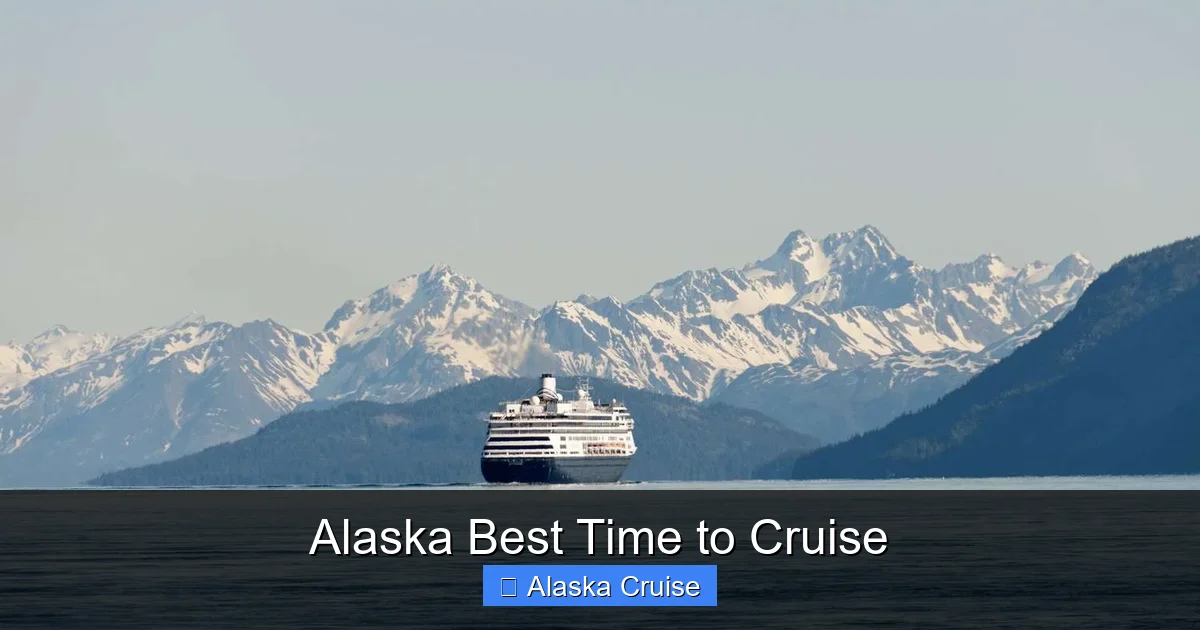
The Alaska best time to cruise depends on your priorities—whether it’s calving glaciers, whale migrations, or fewer crowds. For most travelers, late May through early September offers the ideal balance of weather, wildlife, and scenic beauty in 2026.
Key Takeaways
- Peak Season (Mid-June to Mid-August): Offers the warmest weather, longest daylight hours, and peak wildlife activity—ideal for first-time cruisers and families.
- Shoulder Seasons (May and September): Feature fewer crowds, lower prices, and unique experiences like spring blooms or fall colors, with slightly cooler temperatures.
- Wildlife Viewing Varies by Month: Whales are most active in July and August, while bears are best seen in September along salmon-rich rivers.
- Glacier Calving Peaks in Summer: Hubbard and Mendenhall Glaciers are most dynamic from June through August due to warmer temperatures.
- Weather Is Unpredictable Year-Round: Pack layers, waterproof gear, and be ready for rain—even in summer—across coastal Alaska.
- 2026 Cruise Availability Is Filling Fast: Book early for preferred itineraries, especially for small ships and expedition-style cruises.
- Port Highlights Shift Seasonally: Skagway and Juneau thrive in summer, while Ketchikan’s rainforests shine in May and September with lush greenery.
Why Timing Matters for Your Alaska Cruise
Planning an Alaska cruise isn’t just about picking a ship or route—it’s about choosing the right time of year to match your travel goals. Unlike tropical destinations where weather is fairly consistent, Alaska’s climate and natural rhythms shift dramatically throughout the summer season. The Alaska best time to cruise depends on what you want to see, do, and experience. Whether you’re chasing humpback whales, hoping to spot a grizzly bear, or simply want to marvel at towering glaciers under clear skies, timing can make or break your trip.
In 2026, cruise lines are expanding their Alaska offerings with more eco-friendly ships, extended itineraries, and immersive shore excursions. With demand expected to rise post-pandemic, securing your spot during the optimal window is more important than ever. The cruising season typically runs from early May to late September, but each month brings its own magic—and trade-offs. Understanding these nuances helps you avoid disappointment and maximize your Alaskan adventure.
What Defines “Best” for You?
Before diving into monthly breakdowns, ask yourself: What matters most on this trip? Are you traveling with kids who need warm weather and long days? Are you a photographer chasing golden-hour light over glaciers? Or maybe you’re on a budget and prefer quieter ports with lower prices? Your answers will guide you toward the Alaska best time to cruise for your specific needs.
For example, families often prioritize comfort and accessibility—making July and August the top choice. Photographers might lean toward May for soft light and fewer tourists, while wildlife enthusiasts may wait until September for prime bear-viewing opportunities. There’s no single “perfect” month—only the one that aligns with your vision of Alaska.
Alaska Cruise Season Overview: May Through September
The official Alaska cruise season spans roughly five months, from early May to late September. Outside this window, most major cruise lines don’t operate due to cold temperatures, limited daylight, and port closures. Within this window, each month offers distinct advantages and considerations.
Early Season: May – The Quiet Start
May marks the beginning of the Alaska cruise season. Ships start arriving in early May, and by mid-month, most ports are fully operational. This shoulder season is ideal for travelers seeking tranquility and value. Crowds are minimal, cabin prices are lower, and you’ll often have scenic fjords and towns almost to yourself.
Weather in May is cool but improving—average temperatures range from 45°F to 60°F (7°C to 15°C). You might encounter rain, especially in Ketchikan, known as the “Rain Capital of Alaska.” However, spring is in full swing: wildflowers bloom, waterfalls swell from snowmelt, and migratory birds return. It’s a great time for nature lovers who appreciate renewal and quiet beauty.
Wildlife sightings begin to pick up in May. Sea lions are active, and early whale migrations—especially orcas—can be spotted near Sitka and Glacier Bay. However, humpbacks and gray whales are more commonly seen later in summer. Glaciers are still impressive, though calving activity increases as temperatures rise toward June.
Peak Season: June, July, and August – The Heart of Summer
These three months represent the Alaska best time to cruise for the majority of travelers. Daylight stretches up to 18–20 hours in northern regions, temperatures hover between 55°F and 70°F (13°C to 21°C), and all major attractions are accessible. Ports like Juneau, Skagway, and Ketchikan buzz with activity, and shore excursions—from dog sledding on glaciers to whale-watching tours—are in full swing.
June kicks off peak season with long days and vibrant greenery. It’s an excellent compromise between good weather and slightly smaller crowds compared to July and August. Many families book June cruises to avoid school holidays while still enjoying summer conditions.
July is the busiest and warmest month. It’s prime time for whale watching—humpbacks, orcas, and even minke whales are frequently seen feeding in nutrient-rich waters. Glacier calving peaks as warmer air and water temperatures cause massive icefalls into the sea. This is also when salmon runs begin, drawing bears to rivers—though prime bear viewing is still a few weeks away.
August maintains strong weather and wildlife activity but starts to see a slight dip in crowds toward the end of the month. It’s still a fantastic time to cruise, with reliable conditions and full access to all excursions. Some travelers prefer late August to avoid the July rush while still enjoying summer’s bounty.
Late Season: September – The Golden Finale
September is a hidden gem for Alaska cruisers. While temperatures cool to 40°F–60°F (4°C–15°C), the trade-off is fewer tourists, lower prices, and spectacular natural phenomena. Fall colors begin to paint the landscape, especially in interior regions near Skagway and Haines. The air feels crisp, and the light takes on a soft, golden quality perfect for photography.
This is arguably the best time for wildlife enthusiasts. As salmon spawn in rivers, brown and black bears gather in large numbers along streams—particularly in Katmai National Park and near Admiralty Island. Bear-watching excursions are highly active in September, offering some of the most reliable sightings of the season.
Whale activity remains strong through early September, though numbers decline toward month’s end. Glaciers are still impressive, though calving slows as temperatures drop. Some remote ports may close by mid-September, so check your itinerary carefully if booking a late-season cruise.
Weather and Climate: What to Expect Each Month
Alaska’s weather is famously unpredictable—even in summer. Coastal regions (where most cruises operate) experience a maritime climate: mild temperatures, high humidity, and frequent rain. Interior areas can be warmer and drier, but cruise passengers primarily explore the coastline.
Temperature Trends
Average daytime highs range from 50°F (10°C) in May to 65°F (18°C) in July, with nighttime lows rarely dropping below 40°F (4°C) during peak season. September sees a noticeable cooldown, especially at night. Always pack layers—a waterproof jacket, fleece, and moisture-wicking base layers are essential regardless of when you go.
Rainfall and Sunshine
Rain is possible any day of the year in Southeast Alaska. Ketchikan averages over 150 inches of rain annually, while Juneau gets about 90 inches. July and August are slightly drier than May and September, but don’t expect constant sunshine. That said, daylight is abundant: in Juneau, you’ll enjoy nearly 18 hours of daylight in June, shrinking to about 13 hours by late September.
Cloud cover is common, but clear days do occur—and when they do, the views are breathtaking. Don’t let the reputation for rain deter you; many Alaskan experiences—like glacier hikes or rainforest walks—are enhanced by the misty atmosphere.
Wildlife Viewing by Month: Maximize Your Chances
One of the biggest draws of an Alaska cruise is its incredible wildlife. Timing your trip to coincide with animal migrations and behaviors greatly enhances your chances of unforgettable encounters.
Marine Mammals
Humpback whales arrive in Alaskan waters in May and stay through September, peaking in July and August when they feed aggressively before migrating south. Orcas are present year-round but are most commonly seen in summer. Gray whales pass through in spring and fall during their migration between Mexico and the Arctic.
Sea otters, harbor seals, and Steller sea lions are visible throughout the season, often lounging on rocks or swimming near ships. Keep binoculars handy—you never know when a pod of dolphins will race alongside your vessel.
Bears and Land Animals
Black and brown bears are most active from May through September. In May and June, they’re often seen foraging in alpine meadows. By July, they move toward rivers as salmon begin to run. September is the prime month for bear viewing, especially in areas like Pack Creek on Admiralty Island, where dozens of bears gather to feast on spawning salmon.
Moose, mountain goats, and bald eagles are commonly spotted year-round. Eagles nest near coastal areas and are especially visible during fishing season. Mountain goats cling to rocky cliffs in places like Tracy Arm Fjord—look closely, and you might spot them high above the treeline.
Birds and Marine Life
Spring brings the return of migratory birds, including puffins, murres, and cormorants. Seabird colonies thrive on remote islands like St. Lazaria near Sitka. In summer, you’ll see chicks hatching and fledglings taking their first flights.
Salmon runs dictate much of the ecosystem’s activity. Five species—king, sockeye, coho, pink, and chum—return to Alaskan rivers between June and September. Their presence attracts not only bears but also eagles, otters, and even whales that feed on them near river mouths.
Glaciers and Scenic Highlights: When to See Them at Their Best
Alaska’s glaciers are among its most iconic attractions. From the towering walls of Hubbard Glacier to the accessible trails of Mendenhall Glacier near Juneau, these icy giants are a must-see. But their behavior changes with the seasons.
Glacier Calving Season
Calving—the process where chunks of ice break off into the water—is most dramatic in summer. Warmer temperatures and increased meltwater destabilize glacier fronts, leading to spectacular icefalls. Hubbard Glacier, one of the most active in North America, often calves multiple times per day in July and August.
In May, glaciers are quieter but still majestic. By September, calving slows as temperatures drop, though you’ll still witness impressive formations. For photographers, early morning light on a calm glacier face in May or September can yield stunning, serene images.
Fjords and Waterfalls
Southeast Alaska’s fjords—like Tracy Arm and Misty Fjords—are stunning year-round. However, spring and early summer offer the most dramatic waterfalls, fed by melting snowpack. By August, many smaller cascades dry up, though major falls like those near Ketchikan remain impressive.
Misty Fjords National Monument, accessible only by boat or plane, is especially magical in May and September when mist clings to the cliffs and wildlife is abundant. The interplay of light, water, and rock creates a surreal landscape that feels otherworldly.
Port-by-Port Seasonal Insights
Each Alaskan port has its own seasonal rhythm. Understanding these nuances helps you choose an itinerary that matches your interests.
Juneau
Alaska’s capital is a year-round destination, but summer is when it truly comes alive. Mendenhall Glacier is accessible May through September, with visitor facilities open all season. Whale-watching tours operate daily in summer, with peak sightings in July and August. In September, the city feels quieter, and fall colors begin to appear in nearby forests.
Skagway
This historic Gold Rush town thrives in summer. The White Pass & Yukon Route Railway runs daily from May to September, offering breathtaking mountain views. Hiking trails like the Chilkoot Trail are snow-free by June. September brings golden aspens and fewer crowds—ideal for history buffs and hikers.
Ketchikan
Known for its totem poles and rainforest, Ketchikan is lush and green all summer. May and September offer the best balance of weather and solitude. The Misty Fjords flightseeing tour is spectacular in clear conditions, which are more common in late summer. Salmon festivals in August celebrate the local fishing culture.
Glacier Bay and Hubbard Glacier
These UNESCO-listed sites are highlights of most itineraries. Glacier Bay National Park is open May through September, with ranger-led programs aboard ships. Hubbard Glacier, visited on northbound or southbound routes, is most active in July. Both locations offer awe-inspiring views regardless of the month—but summer provides the most stable conditions for navigation.
Pricing, Crowds, and Booking Tips for 2026
Demand for Alaska cruises continues to grow, and 2026 is shaping up to be a competitive year. Early booking is strongly recommended, especially for small ships, expedition cruises, and popular itineraries like roundtrip Seattle or Vancouver routes.
Cost Considerations
Prices vary significantly by season. May and September offer the best value, with cabin discounts of 20–30% compared to peak summer months. July and August command premium rates, particularly for balcony staterooms and family suites. Booking 12–18 months in advance often secures the lowest fares and best cabin selection.
Crowd Levels
Peak season means packed docks, long lines at attractions, and limited availability for popular excursions like heli-hiking or bear-viewing flights. If you prefer a more relaxed pace, aim for May or September. Small-ship cruises (under 200 passengers) offer a quieter experience even in summer, with access to remote inlets and flexible scheduling.
2026-Specific Trends
Cruise lines are investing in sustainability and immersive experiences for 2026. Expect more shore excursions focused on Indigenous culture, climate education, and low-impact wildlife viewing. New ships from Holland America, Princess, and smaller operators like UnCruise Adventures will feature enhanced viewing areas, expert naturalists, and eco-friendly designs.
Additionally, Alaska’s tourism board is promoting “shoulder season” travel to distribute visitor impact and support local economies year-round. Incentives like discounted excursions or onboard credits may be available for May and September bookings.
Conclusion: Choosing Your Perfect Alaska Cruise Window
So, what is the Alaska best time to cruise in 2026? The answer isn’t one-size-fits-all—it’s deeply personal. If you want warm weather, long days, and guaranteed access to all activities, mid-June through August is your sweet spot. If you crave solitude, lower prices, and unique seasonal beauty, consider May or September.
Think about what moves you: Is it the thunder of a glacier calving at sunset? The sight of a humpback whale breaching beside your ship? Or the quiet majesty of a misty fjord at dawn? Whatever your ideal Alaska moment, there’s a month—and a cruise—that will deliver it.
Start planning early, pack smart (layers are key!), and stay flexible. Alaska rewards those who embrace its rhythms. Whether you’re sailing under the midnight sun or watching bears fish in a golden September stream, your journey will be unforgettable. In 2026, the Last Frontier awaits—ready to reveal its wonders on your terms.
FAQs
What is the absolute best month to cruise Alaska?
For most travelers, July offers the best balance of warm weather, peak wildlife activity, and full access to ports and excursions. It’s the heart of summer and the most popular month for a reason.
Can you see whales in May or September?
Yes! Humpback whales arrive in May and stay through September, though sightings are more frequent in July and August. Orcas can be seen year-round, and September offers excellent opportunities for whale watching with fewer crowds.
Is September too cold for an Alaska cruise?
Not too cold—but it’s cooler. Daytime temperatures average 50°F–60°F (10°C–15°C), so pack warm layers. The payoff is stunning fall colors, fewer tourists, and prime bear viewing.
Are glaciers still impressive in May?
Absolutely. While calving is less frequent than in summer, glaciers like Mendenhall and Hubbard remain massive and awe-inspiring. May offers quieter views and softer lighting for photography.
Do all ports operate in May and September?
Most major ports (Juneau, Skagway, Ketchikan) are open, but some remote excursions or small towns may have limited services in early May or late September. Check your specific itinerary details.
Should I book my 2026 Alaska cruise now?
Yes—especially if you want a specific ship, cabin type, or departure date. Many 2026 itineraries are already selling out, particularly for small ships and expedition cruises.
This is a comprehensive guide about alaska best time to cruise.
Key Takeaways
- Understanding alaska best time to cruise: Provides essential knowledge
Frequently Asked Questions
What is alaska best time to cruise?
alaska best time to cruise is an important topic with many practical applications.