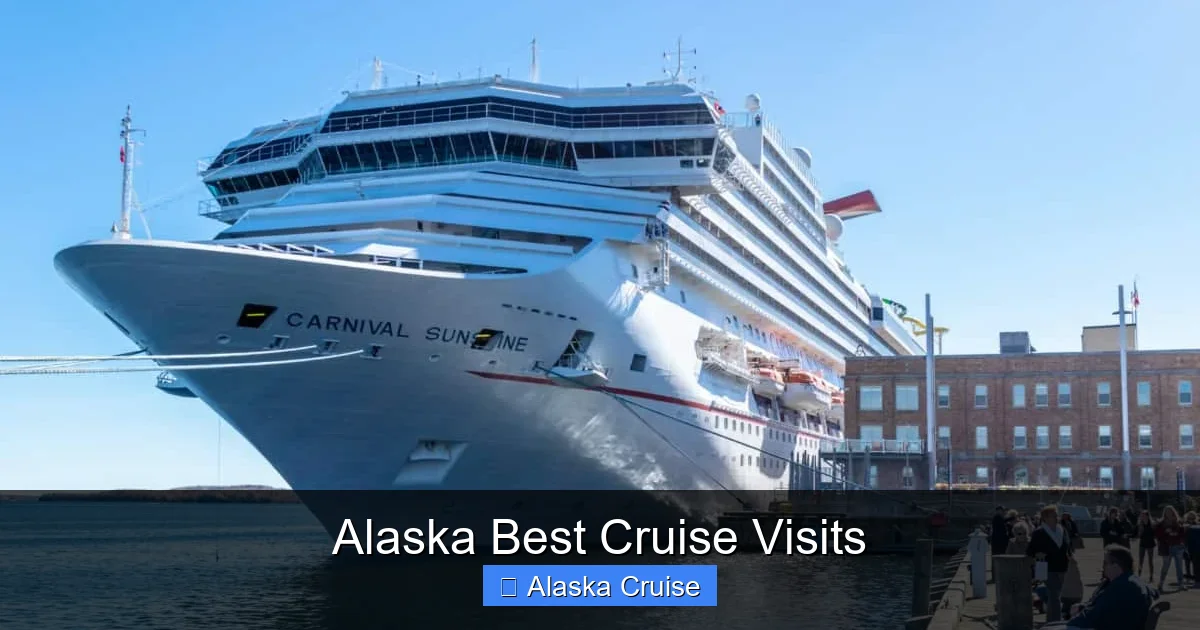
Alaska’s best cruise visits in 2026 offer breathtaking glaciers, abundant wildlife, and rich Indigenous culture along the Inside Passage. From Juneau’s rugged peaks to Ketchikan’s totem poles, these ports deliver unforgettable experiences for every traveler.
Dreaming of icy fjords, towering glaciers, and bears fishing in rushing rivers? Alaska’s best cruise visits in 2026 promise exactly that—and more. As one of the last true wilderness frontiers, Alaska delivers raw natural beauty, rich Indigenous heritage, and adventures that feel straight out of a nature documentary. Whether you’re a first-time cruiser or a seasoned traveler, cruising Alaska in 2026 offers a front-row seat to some of the planet’s most dramatic landscapes.
Unlike typical beach vacations, an Alaska cruise is an immersive journey through dynamic ecosystems and historic towns. You’ll sail past snow-capped peaks, spot orcas breaching in the distance, and witness glaciers calving thunderous icebergs into the sea. The 2026 season is shaping up to be especially exciting, with cruise lines expanding eco-friendly practices, adding more shore excursions, and offering enhanced onboard educational programs. With limited annual visitation windows and high demand, planning ahead is key to securing your spot on one of these unforgettable voyages.
Key Takeaways
- Glacier Bay National Park: A UNESCO site with active tidewater glaciers and humpback whale sightings—best viewed from ships with National Park Service rangers onboard.
- Juneau: Alaska’s capital offers Mendenhall Glacier hikes, whale-watching tours, and gold rush history—accessible only by boat or plane.
- Ketchikan: Known as the “Salmon Capital of the World,” it features Tlingit culture, rainforest trails, and the iconic Creek Street boardwalk.
- Skagway: Step back into the Klondike Gold Rush with historic railroads, gold panning, and scenic White Pass excursions.
- Hubbard Glacier: One of the largest tidewater glaciers in North America, calving icebergs daily—ideal for photography and awe-inspiring moments.
- Best Time to Cruise: May through September offers mild weather, long daylight hours, and peak wildlife activity—book early for 2026 sailings.
- Choose the Right Itinerary: Round-trip Seattle or Vancouver cruises offer convenience, while one-way Inside Passage routes maximize port diversity.
📑 Table of Contents
Why Alaska Cruises Are a 2026 Must-Do
Alaska isn’t just a destination—it’s a transformative experience. In 2026, cruising Alaska continues to rank among the top travel trends, thanks to its combination of accessibility, safety, and sheer wonder. Modern cruise ships are designed to blend comfort with adventure, offering panoramic viewing lounges, expert naturalist guides, and gourmet dining with locally sourced seafood.
One of the biggest draws is the ease of exploration. Instead of driving long distances or booking multiple flights, a cruise lets you visit multiple ports in a single trip. You wake up in a new location each morning, often with dramatic scenery already unfolding outside your window. Plus, with 2026 marking the 150th anniversary of Alaska’s purchase from Russia, many cruise lines are curating special cultural programs and historical reenactments to celebrate the milestone.
Unmatched Wildlife Encounters
Alaska is a wildlife paradise. From May to September, the region bursts with life. Humpback whales migrate north to feed in nutrient-rich waters, often seen breaching or slapping their tails near the ship. Sea otters float on their backs, cracking clams with rocks, while puffins dart through the air like feathered torpedoes. Onshore, brown bears patrol riverbanks during salmon runs, and bald eagles soar above coastal forests.
Many cruise lines partner with marine biologists and conservation groups to offer educational talks and guided wildlife tours. For example, Holland America Line’s “Explorations Central” program features daily presentations on local ecosystems, while Princess Cruises offers “Wildlife Viewing Guarantees” on select itineraries—if you don’t spot a whale, you get a free shore excursion.
Glaciers That Take Your Breath Away
No Alaska cruise is complete without witnessing a glacier up close. These massive rivers of ice move slowly but powerfully, carving valleys and calving icebergs with thunderous cracks. In 2026, several glaciers remain accessible and active, offering unforgettable photo ops and sensory experiences.
Glacier Bay National Park, a highlight on most Inside Passage routes, is a UNESCO World Heritage Site where ships slow to a crawl for optimal viewing. Rangers from the National Park Service often come aboard to share insights about glacial retreat and climate change. Hubbard Glacier, farther north, is one of the few advancing glaciers in the world—its 1,200-foot face regularly calves icebergs the size of buildings.
Top Alaska Cruise Ports to Visit in 2026
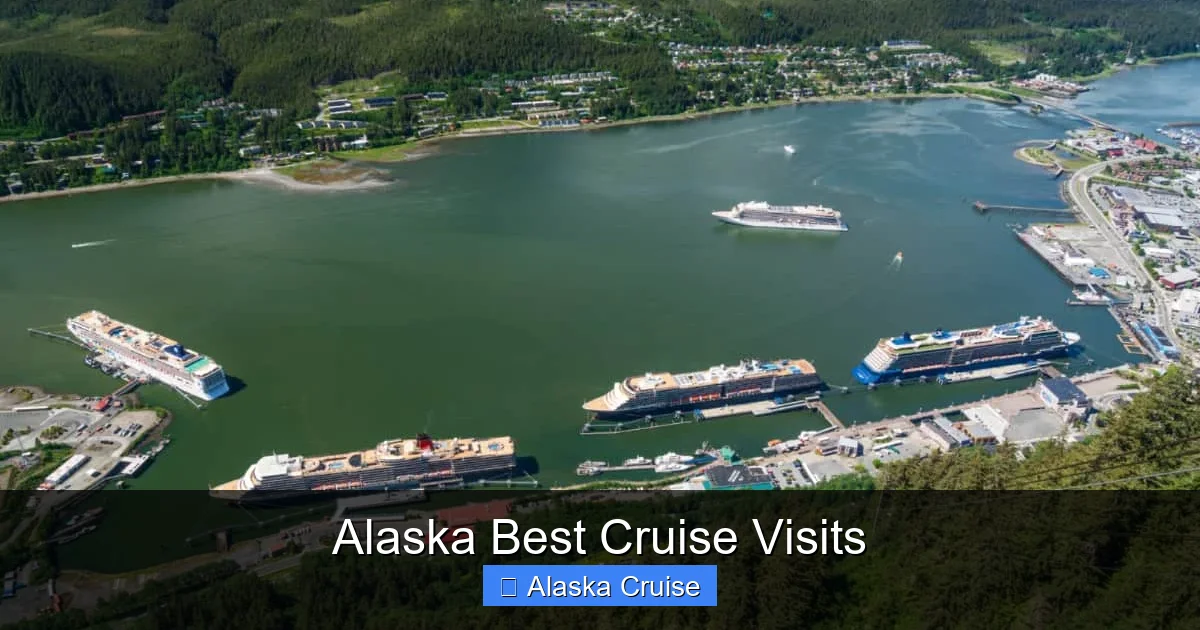
Visual guide about Alaska Best Cruise Visits
Image source: cruisehive.com
Each port on an Alaska cruise offers a unique flavor of the state’s culture, history, and natural wonders. Here are the must-visit stops that define the Alaska best cruise visits in 2026.
Juneau: The Capital of Adventure
Juneau is Alaska’s only state capital inaccessible by road—making it a true cruise destination. Nestled between the Gastineau Channel and towering mountains, Juneau blends urban charm with wild landscapes.
The crown jewel here is the Mendenhall Glacier, a 13-mile-long river of ice just 12 miles from downtown. Visitors can hike the Nugget Falls Trail, take a guided glacier walk, or kayak near its terminus. For wildlife lovers, whale-watching tours depart daily, with high chances of spotting humpbacks, orcas, and sea lions.
Don’t miss the Alaska State Museum, which showcases Indigenous art and gold rush artifacts, or a ride on the Mount Roberts Tramway for panoramic views. In 2026, Juneau is also hosting a summer-long cultural festival celebrating Tlingit heritage, with traditional dancing, storytelling, and craft workshops.
Ketchikan: Gateway to the Tongass
Known as the “Salmon Capital of the World,” Ketchikan sits on the edge of the Tongass National Forest—the largest temperate rainforest in the U.S. This port is a hub for fishing, Indigenous culture, and lush wilderness.
Creek Street, a historic boardwalk built over a creek in the early 1900s, is lined with shops, galleries, and salmon smokehouses. You can sample fresh-caught king salmon or watch fish leap upstream at the nearby fish ladder. For a deeper cultural experience, visit the Totem Heritage Center, which preserves original 19th-century totem poles carved by Tlingit, Haida, and Tsimshian artists.
Outdoor enthusiasts can take a floatplane to Misty Fjords National Monument, where sheer cliffs rise 3,000 feet from the water, or hike the Deer Mountain Trail for sweeping views of the surrounding islands. In 2026, Ketchikan is launching a new eco-tourism initiative, offering carbon-neutral excursions and partnerships with local Indigenous guides.
Skagway: Gold Rush Nostalgia
Step into the Klondike Gold Rush era in Skagway, a town frozen in time with false-front buildings and wooden sidewalks. In the late 1800s, over 100,000 prospectors passed through here on their way to the Yukon goldfields.
Today, the White Pass & Yukon Route Railway is the star attraction. This narrow-gauge steam train climbs 2,865 feet in just 20 miles, offering breathtaking views of waterfalls, tunnels, and mountain peaks. The journey ends in Bennett Lake, where gold seekers once built boats to sail to Dawson City.
For a hands-on experience, try gold panning at the Liarsville Gold Rush Trail Camp or explore the Gold Rush Cemetery, where stampeders are buried. In 2026, Skagway is commemorating the 130th anniversary of the railroad’s completion with special exhibits and reenactments.
Glacier Bay: A Natural Wonder
Glacier Bay National Park is the crown jewel of the Alaska cruise experience. This 3.3-million-acre wilderness is home to over a dozen tidewater glaciers, including the active Margerie and Grand Pacific Glaciers.
Ships enter the park slowly, often pausing for hours as guests watch ice calve into the bay. The sound is deafening—like a cannon blast—followed by ripples spreading across the water. Wildlife abounds: harbor seals rest on ice floes, mountain goats scale cliffs, and bald eagles nest in spruce trees.
National Park Service rangers board select ships to provide commentary and answer questions. They also lead optional kayak or Zodiac tours for a closer look. In 2026, the park is introducing new sustainability measures, including reduced ship traffic and enhanced monitoring of glacial health.
Hubbard Glacier: The Ice Giant
At over 76 miles long and 7 miles wide, Hubbard Glacier is one of the largest tidewater glaciers in North America. Located near Yakutat, it’s a highlight on northbound cruises to or from Seward.
Unlike many glaciers that are retreating, Hubbard is advancing—growing by up to 100 feet per year. This means frequent calving events, where massive chunks of ice break off and crash into the sea. The sight is both beautiful and humbling, a reminder of nature’s power.
Most ships spend several hours in front of the glacier, allowing time for photos and quiet reflection. Some lines offer special “Glacier Viewing Packages” with binoculars, hot cocoa, and guided commentary. In 2026, new satellite tracking systems will help ships navigate safely while minimizing environmental impact.
Choosing the Best Alaska Cruise Itinerary for 2026
With so many options, picking the right Alaska cruise can feel overwhelming. Here’s how to find the perfect fit for your travel style and interests.
Round-Trip vs. One-Way Cruises
Round-trip cruises from Seattle or Vancouver are popular for their convenience—no need to fly home from a different city. These itineraries typically last 7–10 days and cover the Inside Passage, with stops in Juneau, Ketchikan, and Skagway.
One-way cruises, such as Seattle to Seward or Vancouver to Whittier, offer more time in port and often include glacier-heavy routes like Glacier Bay or Hubbard Glacier. These are ideal for travelers who want a deeper dive into Alaska’s wilderness and don’t mind flying home from Anchorage.
Ship Size Matters
Smaller ships (under 1,000 passengers) can access narrower channels and anchor closer to glaciers, offering a more intimate experience. Lines like UnCruise Adventures and Lindblad Expeditions specialize in small-ship Alaska cruises with expert guides and adventure activities like kayaking and hiking.
Larger ships (2,000+ passengers) offer more amenities—multiple dining venues, Broadway-style shows, and kids’ clubs—but may have limited access to certain areas. For families or first-time cruisers, major lines like Royal Caribbean, Norwegian, and Carnival provide a balance of comfort and adventure.
Best Time to Sail in 2026
The Alaska cruise season runs from May to September. Early season (May–June) offers fewer crowds and lower prices, with lingering snow on the mountains and active wildlife. Mid-season (July–August) is peak time—ideal weather, long daylight hours, and full excursion availability. Late season (September) brings autumn colors, lower prices, and a chance to see the northern lights in northern ports.
Book early for 2026, as many sailings are already filling up. Early-bird discounts and cabin upgrades are common, especially for balcony staterooms with glacier views.
What to Pack and Expect on an Alaska Cruise
Packing for Alaska requires preparation—weather can change quickly, and excursions vary from city walks to rugged hikes.
Essential Gear
Bring layers: a waterproof jacket, fleece, thermal base layers, and sturdy walking shoes. Don’t forget binoculars for wildlife viewing, a reusable water bottle, and a daypack for shore excursions.
Most ships provide ponchos, but a personal raincoat is better for hiking. For glacier viewing, sunglasses and sunscreen are a must—ice reflects UV rays.
Onboard Experience
Modern Alaska cruise ships offer a mix of relaxation and enrichment. Expect daily naturalist talks, cooking demos with local ingredients, and live music. Many lines feature Alaska-themed menus—think fresh halibut, reindeer sausage, and blueberry pie.
Wi-Fi is available but can be slow in remote areas. Download offline maps and entertainment before sailing. Cell service is limited, so plan accordingly.
Sustainable Cruising in Alaska
As tourism grows, so does the focus on protecting Alaska’s fragile ecosystems. In 2026, cruise lines are adopting greener practices to minimize their impact.
Eco-Friendly Initiatives
Many ships now use shore power in ports to reduce emissions, treat wastewater to strict standards, and eliminate single-use plastics. Some lines partner with conservation groups to support wildlife research and habitat restoration.
Passengers can contribute by choosing low-impact excursions, supporting local Indigenous businesses, and following “Leave No Trace” principles on hikes.
Responsible Wildlife Viewing
Always maintain a safe distance from animals. Use binoculars or zoom lenses instead of approaching too closely. Never feed wildlife or leave trash behind.
Final Thoughts: Why Alaska Cruises Stand Out in 2026
Alaska’s best cruise visits in 2026 offer more than just scenic beauty—they provide a chance to connect with nature, history, and culture in a meaningful way. Whether you’re marveling at a calving glacier, learning about Tlingit traditions, or spotting a whale breach at sunset, these moments stay with you long after the voyage ends.
With thoughtful planning, the right itinerary, and a spirit of adventure, an Alaska cruise can be the trip of a lifetime. As demand grows and sustainability becomes a priority, 2026 is shaping up to be one of the best years yet to explore the Last Frontier by sea.
Frequently Asked Questions
What is the best month to cruise Alaska in 2026?
July and August offer the warmest weather, longest days, and best wildlife viewing. May and September are quieter and cheaper, with unique seasonal beauty.
Can you see glaciers on an Alaska cruise?
Yes—most itineraries include Glacier Bay or Hubbard Glacier, where ships slow down for close-up views of calving ice and towering ice walls.
Do I need a passport for an Alaska cruise?
For round-trip U.S. cruises (e.g., Seattle to Seattle), a passport is recommended but not required. For international departures (e.g., Vancouver), a passport is mandatory.
Are Alaska cruises family-friendly?
Absolutely. Many ships offer kids’ clubs, family excursions, and educational programs. Look for lines like Disney, Royal Caribbean, or Norwegian for family-focused amenities.
What wildlife can I expect to see on an Alaska cruise?
Common sightings include humpback whales, orcas, sea otters, puffins, bald eagles, brown bears, and mountain goats—especially during salmon runs and summer migrations.
How early should I book my 2026 Alaska cruise?
Book 12–18 months in advance for the best cabin selection, pricing, and excursion availability—especially for peak summer dates.