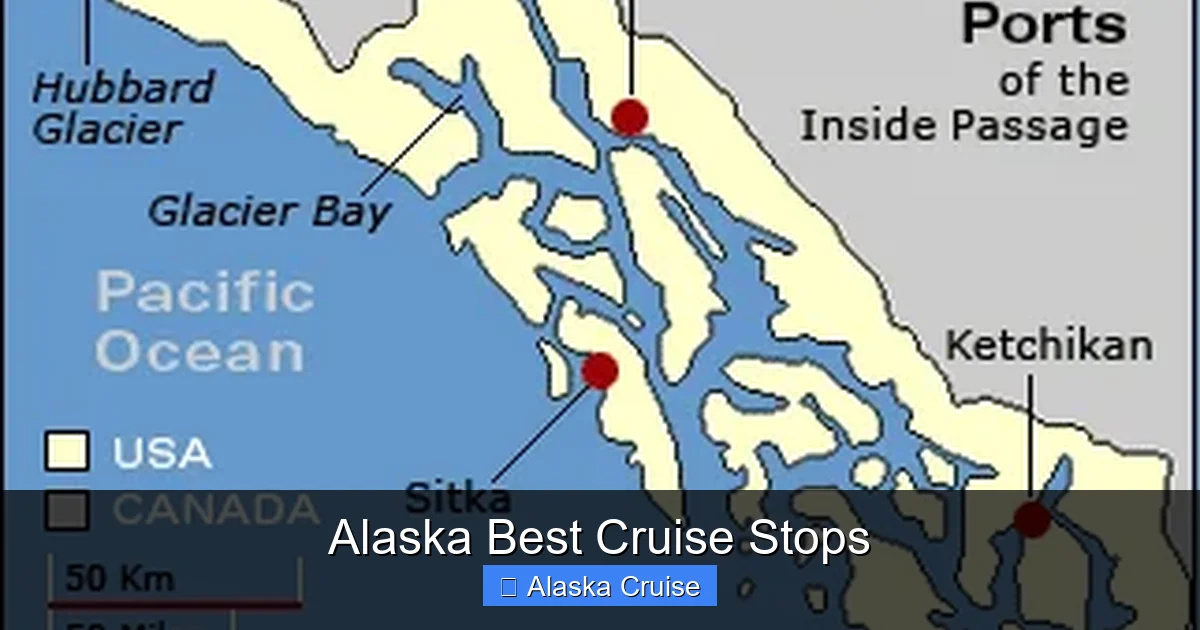
Alaska best cruise stops offer unforgettable adventures through pristine wilderness, vibrant wildlife, and rich Indigenous cultures. From Glacier Bay’s icy wonders to Ketchikan’s rainforest charm, these ports deliver once-in-a-lifetime experiences perfect for 2026 travelers.
If you’ve ever dreamed of sailing through icy fjords, spotting humpback whales breaching beside your ship, or standing in awe as a glacier the size of a skyscraper crashes into the sea, then Alaska is calling your name. And when it comes to experiencing the Last Frontier in all its glory, nothing beats an Alaskan cruise. With over 20 major ports along the Inside Passage and Gulf of Alaska, choosing the Alaska best cruise stops can feel overwhelming—but that’s where we come in.
In 2026, the Alaskan cruise season promises even more immersive experiences, thanks to improved sustainability practices, expanded shore excursion options, and a growing focus on authentic cultural engagement. Whether you’re a first-time cruiser or a seasoned adventurer, the magic of Alaska lies not just in its dramatic landscapes, but in the intimate moments: sipping coffee on your balcony as a sea otter floats by, hiking through old-growth forests, or sharing stories with local Tlingit elders. This guide will walk you through the must-see ports, hidden gems, and practical tips to help you make the most of your 2026 Alaskan voyage.
Key Takeaways
- Glacier Bay National Park: A UNESCO World Heritage Site where massive glaciers calve into the sea—best viewed from a small ship or guided kayak tour.
- Juneau: Alaska’s capital city offers urban comforts and wild excursions, including Mendenhall Glacier and whale-watching tours.
- Ketchikan: Known as the “Salmon Capital of the World,” it blends Native heritage with lush rainforest hikes and totem pole parks.
- Skagway: Step back into the Gold Rush era with historic railroads, gold panning, and scenic train rides through the mountains.
- Sitka: A cultural crossroads of Russian and Tlingit history, featuring stunning coastal views and bald eagle sightings.
- Hubbard Glacier: One of North America’s most active glaciers, best experienced on a full-day cruise with dramatic ice calving.
- Travel Tips for 2026: Book early, pack layers, and consider smaller ships for better access to remote ports.
📑 Table of Contents
- Glacier Bay National Park: Where Ice Meets Ocean
- Juneau: Alaska’s Capital with Wild Heart
- Ketchikan: The Salmon Capital of the World
- Skagway: Gateway to the Gold Rush
- Sitka: Where Cultures Collide
- Hubbard Glacier: The Great Ice Giant
- Planning Your 2026 Alaskan Cruise: Tips and Trends
- Conclusion: Why Alaska’s Cruise Stops Are Unforgettable
Glacier Bay National Park: Where Ice Meets Ocean
Few places on Earth offer the raw, untamed beauty of Glacier Bay National Park. As a UNESCO World Heritage Site and one of the crown jewels of the U.S. National Park System, this 3.3-million-acre wilderness is a living classroom of glacial movement, marine life, and ecological renewal. Most major cruise lines partner with the National Park Service to offer guided tours through the bay, ensuring visitors gain both access and insight into this fragile ecosystem.
Why Glacier Bay Stands Out
Glacier Bay is home to over a dozen active tidewater glaciers, including the famous Margerie and Johns Hopkins Glaciers. These rivers of ice can stretch up to 2,000 feet high and move several feet each day. When they reach the ocean, the real show begins—calving events send house-sized chunks of ice crashing into the water, creating thunderous booms that echo across the fjord. It’s a humbling reminder of nature’s power and impermanence.
One of the most memorable experiences is simply sitting quietly as your ship glides past a glacier wall. The silence is profound, broken only by the drip of meltwater and the occasional cry of a bald eagle. Many travelers describe the moment as spiritual—a chance to disconnect from the modern world and reconnect with something ancient and vast.
Best Ways to Experience Glacier Bay
While large cruise ships can enter the park, smaller expedition vessels offer a more intimate and flexible experience. These ships often carry naturalist guides who provide live commentary, pointing out wildlife like harbor seals lounging on ice floes or humpback whales feeding in the nutrient-rich waters. Kayaking excursions are also available for the adventurous, allowing you to paddle among icebergs and get within whispering distance of calving glaciers.
For 2026, consider booking a cruise that includes a full day in Glacier Bay. Most ships spend 8–10 hours navigating the park, often entering early morning and departing by late afternoon. This extended time allows for multiple glacier views and increased chances of wildlife sightings. Pro tip: Bring binoculars and a camera with a zoom lens—you’ll want to capture every detail.
Juneau: Alaska’s Capital with Wild Heart

Visual guide about Alaska Best Cruise Stops
Image source: cruisewhale.com
Tucked away on the Gastineau Channel, Juneau is unlike any other state capital in the U.S.—accessible only by boat or plane, it blends urban sophistication with untamed wilderness. As the second-largest city in Alaska by area, Juneau offers a unique mix of government buildings, art galleries, and outdoor adventures, making it one of the Alaska best cruise stops for culture and nature lovers alike.
Top Attractions in Juneau
No visit to Juneau is complete without a trip to the Mendenhall Glacier. Just 12 miles from downtown, this 13-mile-long glacier is one of the most accessible in Alaska and features a visitor center, hiking trails, and a waterfall fed by glacial melt. The Nugget Falls trail is a favorite among families, offering a moderate hike with stunning views of the glacier and surrounding rainforest.
For wildlife enthusiasts, Juneau is a prime spot for whale watching. Humpback whales migrate through the area from May to September, often feeding close to shore. Several local operators offer 3–4 hour tours that guarantee sightings—many even provide hydrophones so you can listen to the whales’ haunting songs beneath the waves. In 2026, new eco-friendly catamarans with lower emissions will make these tours even more sustainable.
Unique Shore Excursions
Juneau also offers some of the most diverse shore excursions in Alaska. Want to try dog sledding? Several companies offer helicopter rides to remote glacier camps where you can mush with sled dogs across the ice. Prefer something more grounded? Take a guided rainforest walk through the Tongass National Forest, the largest national forest in the U.S., and learn about native plants, bear habitats, and the importance of old-growth trees.
Foodies will love Juneau’s thriving local scene. Don’t miss the chance to sample fresh Alaskan king crab at a waterfront restaurant or grab a locally roasted coffee at a cozy café. The city’s farmers market, held on Saturdays, features artisanal goods, smoked salmon, and handmade crafts—perfect for picking up a unique souvenir.
Ketchikan: The Salmon Capital of the World
Perched on the edge of the Tongass National Forest, Ketchikan is a colorful, rain-soaked town that feels more like a storybook village than a bustling port. Known as the “Salmon Capital of the World,” Ketchikan is a hub for fishing, Indigenous culture, and lush rainforest exploration. With its steep streets, wooden boardwalks, and vibrant murals, it’s one of the most photogenic stops on any Alaskan cruise.
Celebrating Native Heritage
Ketchikan is home to the largest collection of totem poles in the world, many of which are displayed at Totem Bight State Historical Park and the Saxman Native Village. These intricately carved poles tell stories of clan lineage, legends, and spiritual beliefs, offering a window into the rich traditions of the Tlingit, Haida, and Tsimshian peoples.
In 2026, expect even greater emphasis on authentic cultural experiences. Local tribes are partnering with cruise lines to offer traditional dance performances, storytelling sessions, and craft workshops. Visitors can learn how to weave cedar bark or carve a small totem pole under the guidance of master artisans. These programs not only educate but also support Indigenous communities economically.
Outdoor Adventures in the Rainforest
Despite its reputation for rain (Ketchikan averages over 150 inches per year), the town is a paradise for outdoor lovers. The nearby Deer Mountain Trail offers a moderate 3.1-mile hike with panoramic views of the city and surrounding islands. For a more relaxed experience, take a guided nature walk through the rainforest, where you’ll spot moss-covered trees, banana slugs, and maybe even a black bear.
Fishing enthusiasts can book a charter to catch salmon, halibut, or rockfish. Many tours include a cookout on a remote beach, where your catch is grilled over an open fire—a truly Alaskan meal. Kayaking through the Misty Fjords National Monument is another unforgettable option, with towering cliffs, waterfalls, and sea caves waiting to be explored.
Skagway: Gateway to the Gold Rush
Stepping off the ship in Skagway is like traveling back in time. This historic town, nestled at the northern end of the Inside Passage, was once the bustling hub of the Klondike Gold Rush in the late 1890s. Today, its wooden sidewalks, false-front buildings, and steam train whistles preserve the spirit of the Old West, making it one of the most evocative Alaska best cruise stops.
The White Pass & Yukon Route Railway
No visit to Skagway is complete without a ride on the White Pass & Yukon Route Railway. This narrow-gauge steam train chugs up the mountains, following the same route stampeded by gold seekers over a century ago. The journey climbs 2,865 feet in just 20 miles, passing through tunnels, over trestle bridges, and alongside cascading waterfalls.
The train ride is more than just scenic—it’s a history lesson on wheels. Onboard guides share stories of prospectors, engineers, and the harsh conditions they faced. The train stops at the summit, where you can walk across the U.S.-Canada border and snap a photo at the “Mile 0” marker. In 2026, new vintage-style observation cars with heated seats and large windows will enhance the experience, especially on chilly mornings.
Gold Rush History and Local Charm
Back in town, explore the Klondike Gold Rush National Historical Park, which includes restored buildings, museums, and interpretive exhibits. The Red Onion Saloon, once a brothel, now serves as a museum and pub—complete with costumed interpreters and a collection of historic photos.
For a hands-on experience, try gold panning at the Liarsville Gold Rush Camp. This family-friendly activity lets you sift through sand and gravel in search of real gold flakes. Even if you don’t strike it rich, the thrill of discovery is part of the fun.
Skagway also offers excellent hiking, including the challenging but rewarding Chilkoot Trail. For a more leisurely option, take a scenic drive along the Klondike Highway to the historic Bennett Lake, where prospectors once built boats to continue their journey north.
Sitka: Where Cultures Collide
Sitka, located on Baranof Island, is a town of striking contrasts—where Russian Orthodox churches stand beside Tlingit longhouses, and snow-capped mountains meet the Pacific Ocean. Once the capital of Russian America, Sitka blends European elegance with Indigenous resilience, creating a unique cultural tapestry that sets it apart from other Alaska best cruise stops.
Russian Heritage and Historic Sites
The heart of Sitka’s Russian past is St. Michael’s Cathedral, a stunning blue-and-gold domed church that was rebuilt after a fire in 1966. Inside, icons, vestments, and religious artifacts tell the story of Alaska’s Orthodox Christian legacy. Nearby, the Russian Bishop’s House offers a glimpse into 19th-century life, with period furnishings and exhibits on missionary work.
The Sitka National Historical Park is another must-see, featuring a collection of Tlingit totem poles and a replica of a traditional clan house. The park also marks the site of the 1804 Battle of Sitka, where Tlingit warriors defended their homeland against Russian forces. Interpretive signs and ranger-led tours provide context and honor both cultures.
Wildlife and Coastal Beauty
Sitka is a prime location for spotting bald eagles—over 3,000 nest in the surrounding area, making it one of the highest concentrations in the world. Take a guided eagle-watching tour or simply stroll along the waterfront to see these majestic birds perched in tall spruce trees.
The town is also a gateway to the Tongass National Forest and the Pacific Ocean. Kayak through protected coves, go fishing for halibut, or take a boat tour to see sea otters, sea lions, and possibly even orcas. In 2026, new eco-tours will focus on marine conservation, offering educational programs on kelp forests and ocean health.
Hubbard Glacier: The Great Ice Giant
While not a traditional port, Hubbard Glacier is one of the most dramatic natural attractions on any Alaskan cruise. At over 76 miles long and up to 6 miles wide, it’s one of the largest and most active tidewater glaciers in North America. Most ships spend a full day navigating near the glacier, allowing ample time for viewing, photography, and awe.
The Power of Calving
Hubbard Glacier is known for its frequent calving events—when massive chunks of ice break off and crash into the sea. These events can create waves up to 20 feet high and produce sounds that travel for miles. Witnessing a calving is a once-in-a-lifetime experience, and many cruisers rank it as the highlight of their trip.
The glacier’s face is constantly changing due to its rapid movement—up to 8–10 feet per day in summer. This dynamism makes every visit unique. In 2026, cruise lines are investing in quieter, more fuel-efficient ships to reduce environmental impact while maximizing viewing opportunities.
Tips for the Best Viewing Experience
To get the most out of your Hubbard Glacier day, choose a cabin with a port-side or starboard-side view, depending on your ship’s route. Many ships position themselves close to the glacier in the early morning when the light is soft and the water is calm—ideal for photography.
Bring warm layers, even in summer. The air near the glacier can be 10–15 degrees cooler than in port. And don’t forget your camera, binoculars, and a sense of wonder—this is nature at its most powerful and beautiful.
Planning Your 2026 Alaskan Cruise: Tips and Trends
As you consider your 2026 Alaskan cruise, keep in mind that demand is expected to rise, with more travelers seeking sustainable, immersive experiences. Here are some practical tips to help you plan the perfect voyage.
Book Early for the Best Selection
Alaskan cruises often sell out 12–18 months in advance, especially for peak season (June–August). Booking early ensures you get your preferred cabin type, itinerary, and shore excursions. Many cruise lines offer early-bird discounts and flexible cancellation policies for 2026 bookings.
Choose the Right Ship Size
Larger ships offer more amenities—multiple dining options, theaters, and kids’ clubs—but may have limited access to smaller ports like Glacier Bay. Smaller expedition ships (under 200 passengers) provide a more intimate experience, with expert guides, flexible itineraries, and the ability to navigate narrow fjords. For 2026, consider a hybrid ship that balances comfort with adventure.
Pack Smart for Alaska’s Climate
Alaska’s weather is unpredictable. Even in summer, temperatures can range from 40°F to 70°F. Pack layers: a waterproof jacket, fleece, thermal base layers, and sturdy walking shoes. Don’t forget sunglasses, sunscreen, and insect repellent—bugs can be fierce in the rainforest.
Support Local and Sustainable Tourism
Choose shore excursions operated by local businesses and Indigenous-owned companies. Look for tours that follow Leave No Trace principles and contribute to conservation efforts. In 2026, many cruise lines are partnering with environmental organizations to offer carbon-offset programs and eco-friendly excursions.
Stay Flexible and Open-Minded
Weather can impact schedules—ships may reroute to avoid storms or fog. Embrace the unexpected. A delayed departure might mean extra time in a charming port, or a sudden clearing could reveal a rainbow over a glacier. The magic of Alaska often lies in the unplanned moments.
Conclusion: Why Alaska’s Cruise Stops Are Unforgettable
From the thunderous calving of glaciers to the quiet wisdom of Indigenous elders, Alaska’s cruise stops offer a journey unlike any other. Each port tells a story—of ice and fire, of survival and celebration, of nature’s grandeur and human resilience. Whether you’re hiking through a rainforest in Ketchikan, riding a historic train in Skagway, or watching whales in Juneau, you’re not just visiting Alaska—you’re becoming part of its living legacy.
As you plan your 2026 Alaskan cruise, remember that the best experiences come from slowing down, looking closely, and connecting deeply. The Alaska best cruise stops aren’t just destinations—they’re invitations to wonder, learn, and grow. So pack your bags, bring your curiosity, and get ready for the adventure of a lifetime.
Frequently Asked Questions
What are the best months to cruise Alaska in 2026?
The best time to cruise Alaska is from late May to early September. July and August offer the warmest weather and longest daylight hours, ideal for wildlife viewing and outdoor activities. June and September provide fewer crowds and lower prices, with still-reliable weather.
Do I need a passport for an Alaskan cruise?
If your cruise begins and ends in the same U.S. port (like Seattle or Vancouver), a passport is not required—but it’s highly recommended. If your itinerary includes foreign ports like Victoria, Canada, a passport is mandatory for re-entry into the U.S.
Can I see the Northern Lights on an Alaskan cruise?
The Northern Lights are rarely visible during the summer cruise season due to nearly 24-hour daylight. For aurora viewing, consider a fall or winter land tour in interior Alaska, such as Fairbanks or Denali.
Are Alaskan cruels family-friendly?
Yes! Many cruise lines offer kids’ clubs, family excursions, and educational programs. Shore activities like gold panning, whale watching, and train rides are fun for all ages. Look for ships with dedicated youth spaces and family cabins.
What wildlife can I expect to see on an Alaskan cruise?
Common sightings include humpback and orca whales, sea otters, harbor seals, bald eagles, black bears, and puffins. Glacier Bay and the Inside Passage are prime spots for marine and birdlife.
How much should I budget for shore excursions?
Shore excursions typically range from $50 to $300 per person, depending on the activity. Popular options like whale watching, glacier hikes, and train rides fall in the $100–$200 range. Booking in advance often saves money.