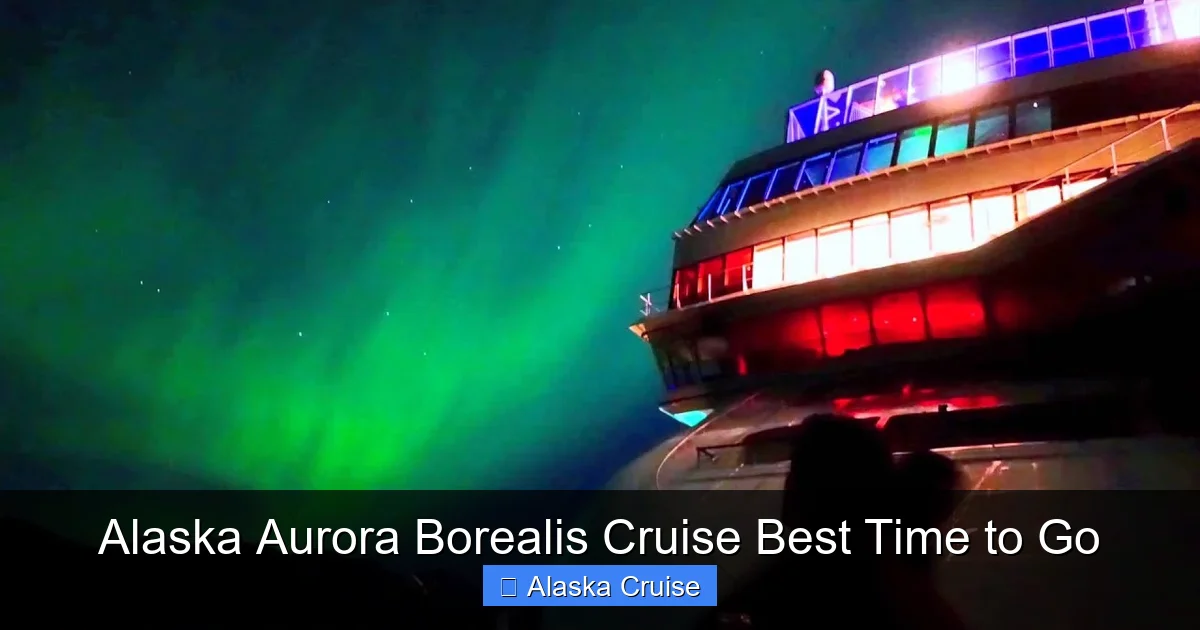
Planning an Alaska aurora borealis cruise? The best time to go is between late September and early April, when dark skies and clear nights maximize your chances of witnessing the northern lights. While summer cruises offer stunning scenery, winter months provide the ideal conditions for aurora viewing—especially from February to March, when daylight is limited and solar activity peaks.
Imagine standing on the deck of a luxury cruise ship, wrapped in a warm blanket, as the night sky erupts in ribbons of green, purple, and pink light. The air is crisp, the sea is calm, and above you, the aurora borealis dances across the Alaskan horizon. This isn’t just a dream—it’s a real experience you can have on an Alaska aurora borealis cruise. But to make it happen, timing is everything.
Alaska is one of the world’s premier destinations for viewing the northern lights, thanks to its high latitude, minimal light pollution, and frequent solar activity. However, unlike summer cruises that focus on glaciers, wildlife, and long daylight hours, an aurora-focused voyage requires a different approach. You’ll need to travel during the darker months, when the skies are clear and the nights are long enough for the aurora to shine. That means stepping away from the typical cruise season and embracing the magic of Alaska’s winter wonderland.
In this guide, we’ll walk you through everything you need to know about the best time to go on an Alaska aurora borealis cruise in 2026. From understanding solar cycles to choosing the right itinerary, we’ll help you plan a trip that combines the comfort of a cruise with the thrill of witnessing one of nature’s most spectacular light shows.
Key Takeaways
- Peak Aurora Season: The best time for an Alaska aurora borealis cruise is from late September to early April, when nights are long and dark.
- Optimal Months: February and March offer the highest probability of clear skies and strong solar activity, making them ideal for viewing.
- Cruise Availability: Most Alaska cruises operate May through September, so aurora-focused voyages are limited—book specialty winter sailings early.
- Weather Considerations: Winter cruises can be cold, but modern ships are well-equipped; pack thermal layers and waterproof gear.
- Location Matters: Cruises that include ports like Fairbanks, Nome, or Seward offer better inland aurora access than coastal-only routes.
- Aurora Forecast Tools: Use apps like My Aurora Forecast or NOAA’s Space Weather Prediction Center to track real-time activity during your trip.
- Combine Experiences: Pair your cruise with land tours to maximize aurora viewing opportunities in remote, dark-sky areas.
📑 Table of Contents
Understanding the Aurora Borealis in Alaska
The aurora borealis, commonly known as the northern lights, is a natural light display caused by collisions between electrically charged particles from the sun and gases in Earth’s atmosphere. These collisions occur near the magnetic poles, making Alaska—especially its interior and northern regions—one of the best places on Earth to see them.
But why Alaska? The state sits directly under the “auroral oval,” a ring-shaped zone where auroral activity is most frequent and intense. This means that even during periods of moderate solar activity, Alaskan skies often light up with vibrant colors. The phenomenon is most visible when the sky is dark, clear, and free from light pollution—conditions that are harder to find in more populated areas.
It’s important to note that the aurora borealis is not a constant presence. It depends on solar wind, geomagnetic storms, and atmospheric conditions. While scientists can predict general trends in solar activity, the exact timing and intensity of the lights remain unpredictable. That’s why timing your cruise correctly is so crucial.
How Solar Activity Affects Aurora Visibility
The sun operates on an approximately 11-year cycle known as the solar cycle, with periods of high and low activity. During solar maximum, the sun emits more solar flares and coronal mass ejections (CMEs), which increase the chances of strong auroral displays. As of 2026, we are approaching the peak of Solar Cycle 25, which is expected to reach its maximum between late 2024 and 2026. This means that 2026 is shaping up to be one of the best years in over a decade for viewing the northern lights.
Higher solar activity doesn’t guarantee nightly displays, but it significantly improves your odds. In fact, during strong geomagnetic storms, the aurora can be seen as far south as Seattle or even Portland. For Alaska, this means more frequent, brighter, and more dynamic light shows. Travelers in 2026 will have a unique opportunity to experience the aurora at its most vibrant.
The Role of Darkness and Clear Skies
Even with high solar activity, you won’t see the aurora if the sky isn’t dark. That’s why the time of year matters so much. In Alaska, summer brings the famous “midnight sun,” where the sun barely sets, especially in the northern regions. This makes aurora viewing impossible from May through August. The lights simply can’t compete with 24-hour daylight.
The best viewing window begins in late September, when nights start to lengthen. By October, darkness returns for several hours each night, and by November, you can enjoy full-night aurora viewing. The peak darkness occurs from December through February, when the sun sets early and rises late. March offers a sweet spot—long nights, improving weather, and increasing solar activity.
Clear skies are equally important. Alaska’s weather can be unpredictable, especially in winter. Coastal areas like Juneau or Ketchikan may experience more cloud cover, while inland locations like Fairbanks or Coldfoot offer clearer, drier conditions. That’s why many aurora-focused cruises include land extensions or overnight stays in interior regions.
Best Months for an Alaska Aurora Borealis Cruise in 2026
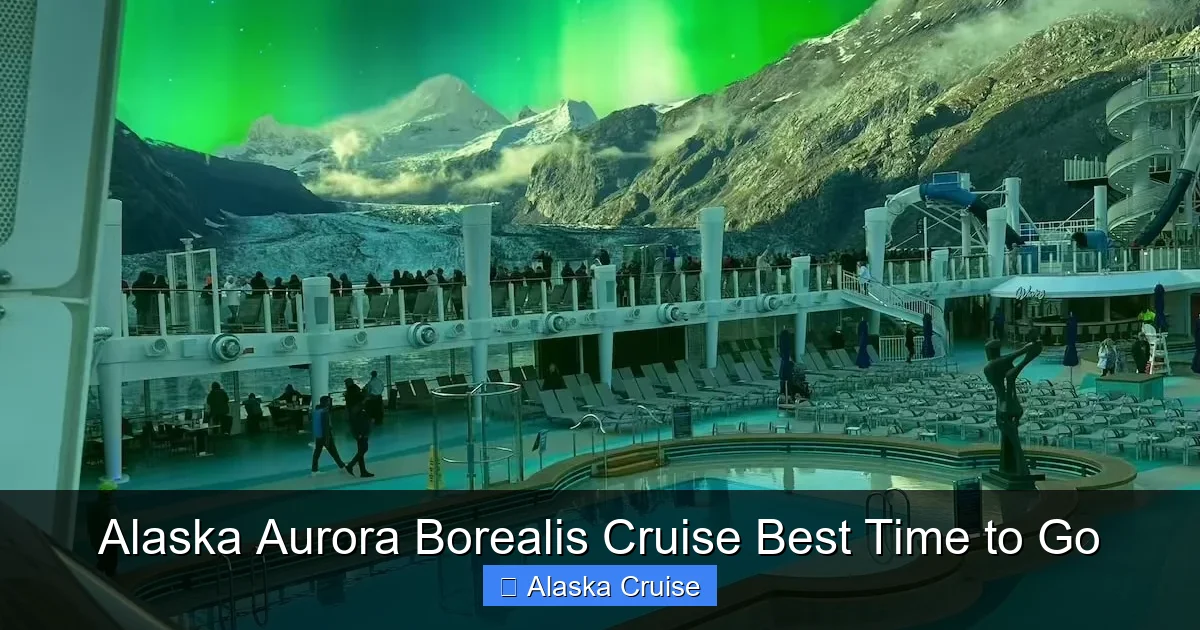
Visual guide about Alaska Aurora Borealis Cruise Best Time to Go
Image source: thebucketlistmermaid.com
Now that you understand the science behind the lights, let’s talk timing. When is the absolute best time to go on an Alaska aurora borealis cruise in 2026? The answer depends on balancing darkness, weather, cruise availability, and solar activity.
The ideal window spans from late September to early April. Within that range, certain months stand out for their combination of long nights, favorable weather, and peak aurora potential.
September to October: The Early Season
Late September marks the beginning of aurora season in Alaska. Days are still relatively mild, and the first signs of autumn color the landscape. Nights are growing longer, offering 6–8 hours of darkness by mid-October. This is a great time for travelers who want to avoid the deep cold of winter while still catching the lights.
Cruises during this period are rare, as most major lines (like Holland America, Princess, and Celebrity) focus on summer itineraries. However, some smaller expedition ships and specialty operators begin winter sailings in September. These cruises often include stops in Seward, Whittier, or even remote communities like Kodiak or St. Paul Island.
One advantage of early-season travel is fewer crowds. You’ll have more space on the ship and better access to shore excursions. However, weather can be unpredictable, and cloud cover is more common than in winter. Still, if you’re flexible and prepared, September and October can offer magical aurora experiences—especially if you extend your trip with a land tour to Fairbanks.
November to December: Peak Darkness, Challenging Weather
November and December bring the longest nights of the year. In Fairbanks, for example, the sun sets around 3:30 PM and doesn’t rise until after 10:00 AM in mid-December. This extended darkness provides ample opportunity for aurora viewing—if the skies are clear.
Unfortunately, this is also one of the cloudiest times of year in many parts of Alaska. Coastal regions can be especially overcast, while interior areas like the Interior and Arctic regions tend to have clearer, drier air. Temperatures can drop well below freezing, sometimes reaching -20°F or lower.
Cruise options are extremely limited during these months. Most major lines don’t operate in Alaska from October through April. However, a few niche operators, such as UnCruise Adventures or small Norwegian expedition vessels, may offer winter sailings. These cruises often focus on wildlife, cultural experiences, and aurora viewing, with itineraries that include remote ports and overnight stays in aurora hotspots.
If you’re considering a November or December cruise, be prepared for cold weather and potential itinerary changes due to ice or storms. But if you’re willing to take the risk, the reward could be unforgettable—watching the northern lights from the deck of a ship under a sky so dark the stars seem close enough to touch.
January to February: The Heart of Aurora Season
January and February are widely regarded as the best months for aurora viewing in Alaska. Nights are long, skies are often clearer (especially inland), and solar activity is high. This is also when many aurora chasers plan their trips, so demand for accommodations and tours is at its peak.
While major cruise lines still don’t operate during these months, several companies offer “aurora cruises” that combine sea and land travel. For example, some itineraries begin with a flight to Fairbanks, where guests spend a few nights in a glass-roofed aurora cabin or remote lodge. Then, they board a small ship for a coastal journey through the Inside Passage, with opportunities to view the lights from both land and sea.
One popular option is a cruise that departs from Anchorage or Seward and travels westward along the coast, stopping in ports like Seward, Whittier, and Kodiak. These routes often include helicopter tours, dog sledding, and visits to native villages—adding cultural depth to the aurora experience.
February, in particular, is a favorite among travelers. The weather is slightly milder than January, and the days are beginning to lengthen, offering a bit more daylight for sightseeing. Solar activity is also expected to remain strong throughout February 2026, making it one of the top months to go.
March: The Sweet Spot
March is often considered the ideal month for an Alaska aurora borealis cruise. The nights are still long enough for excellent viewing—typically 8–10 hours of darkness—but the weather is improving. Daytime temperatures begin to rise, and the risk of extreme cold decreases.
This is also when some cruise lines begin their shoulder-season operations. While full summer service doesn’t start until May, a few ships may offer late-March departures with aurora-focused itineraries. These cruises often include stops in Seward, Juneau, and Skagway, with optional land tours to Fairbanks or Denali National Park.
March offers a unique advantage: the chance to combine aurora viewing with early spring activities. You might see migrating birds, newborn wildlife, or even the first signs of green returning to the landscape. Plus, with the solar cycle still near its peak, the chances of a strong aurora display remain high.
Choosing the Right Cruise Itinerary
Not all Alaska cruises are created equal when it comes to aurora viewing. Most traditional summer cruises focus on glaciers, wildlife, and scenic fjords—not the northern lights. To maximize your chances of seeing the aurora, you’ll need to choose a cruise that operates during the right season and visits the right locations.
Winter vs. Summer Cruises
The biggest challenge is availability. The vast majority of Alaska cruises run from May through September, when the weather is warm and the days are long. These cruises are perfect for seeing glaciers, whales, and bears—but not the aurora borealis.
Winter cruises, on the other hand, are rare and often operated by smaller, more specialized companies. These voyages are designed with aurora viewing in mind, featuring longer nights, darker skies, and itineraries that include inland destinations.
If you’re serious about seeing the northern lights, you’ll need to book a winter or shoulder-season cruise. Look for operators that offer “aurora cruises” or “northern lights expeditions.” These trips often include expert guides, aurora forecasts, and even wake-up calls when the lights appear.
Ports of Call That Enhance Aurora Viewing
Where your cruise stops can make a big difference in your aurora experience. Coastal ports like Juneau, Ketchikan, and Skagway are beautiful, but they’re often cloudy and light-polluted. For the best viewing, you’ll want to get as far inland as possible.
Fairbanks is the undisputed aurora capital of Alaska. Located directly under the auroral oval, it offers some of the highest chances of clear skies and strong displays. Many aurora-focused cruises include a flight or train transfer to Fairbanks, where guests spend a night or two in a remote lodge or glass igloo.
Other excellent inland destinations include Coldfoot, Wiseman, and the Arctic Circle. These remote areas have minimal light pollution and are often included in land extensions or small-ship expeditions.
Some cruises also visit Nome, a remote town on the Bering Sea known for its dark skies and aurora activity. Nome is accessible by small plane or boat and offers a truly off-the-grid experience.
Combining Cruise and Land Tours
For the ultimate aurora adventure, consider a hybrid trip that combines a cruise with a land tour. This allows you to enjoy the comfort and amenities of a ship while also spending time in prime aurora viewing locations.
A typical itinerary might look like this: Fly into Anchorage, take a train to Fairbanks for 2–3 nights of aurora viewing, then board a small ship for a coastal cruise through the Inside Passage. Along the way, you’ll visit glaciers, wildlife reserves, and native villages—all while keeping an eye on the night sky.
These combined trips are often more expensive and require more planning, but they offer the best of both worlds. You get the luxury of a cruise and the authenticity of a land-based aurora experience.
What to Expect on an Aurora Borealis Cruise
Traveling on an Alaska aurora borealis cruise is unlike any other vacation. It’s part adventure, part science expedition, and part once-in-a-lifetime experience. Here’s what you can expect when you book your 2026 voyage.
Onboard Amenities and Comfort
Modern cruise ships are designed for comfort, even in cold weather. You’ll find heated decks, indoor lounges with panoramic windows, and cozy cabins with extra blankets and heating. Many ships also offer hot tubs, spas, and warm beverages to keep you comfortable during late-night aurora watches.
Some specialty cruises include aurora-themed amenities, such as onboard lectures by astronomers, stargazing sessions, and real-time aurora forecasts. Crew members are often trained to alert guests when the lights appear, so you won’t miss a moment.
Dress Code and Packing Tips
Packing for an aurora cruise requires preparation. Even though you’ll be on a heated ship, you’ll still need to go outside to see the lights. Temperatures can drop well below freezing, especially in winter.
Essential items include:
– A heavy winter coat (preferably waterproof)
– Thermal base layers (merino wool is ideal)
– Insulated boots with good traction
– Warm hats, gloves, and scarves
– Hand and foot warmers
– A headlamp with a red light (to preserve night vision)
Don’t forget a good camera with manual settings for aurora photography. A tripod is also essential for long exposures.
Photography Tips for Capturing the Lights
The aurora borealis is a photographer’s dream—but capturing it requires skill and the right gear. Here are a few tips:
– Use a tripod to avoid blurry images
– Set your camera to manual mode
– Use a wide aperture (f/2.8 or lower)
– Set ISO between 800 and 3200
– Use a shutter speed of 10–25 seconds
– Focus manually on infinity
Many cruise ships offer photography workshops or guided sessions to help guests get the perfect shot.
Planning Your 2026 Alaska Aurora Borealis Cruise
With so many factors to consider, planning your trip well in advance is essential. Here’s how to get started.
Booking Early
Winter and shoulder-season cruises fill up fast, especially during peak aurora months. Many specialty tours are limited to 20–50 passengers, so availability is tight. Aim to book your cruise at least 12–18 months in advance, especially if you want a specific itinerary or cabin type.
Monitoring Aurora Forecasts
Once you’re on your trip, stay updated on aurora activity. Use apps like My Aurora Forecast, Aurora Alerts, or the NOAA Space Weather Prediction Center to track real-time conditions. These tools can help you plan your nightly viewing and increase your chances of success.
Staying Flexible
Weather and solar activity are unpredictable. Be prepared for changes in your itinerary, including delays, cancellations, or alternate viewing locations. The key to a successful aurora trip is patience and flexibility.
Conclusion
An Alaska aurora borealis cruise is more than just a vacation—it’s a journey into the heart of one of nature’s most awe-inspiring phenomena. With the right timing, preparation, and a bit of luck, you can witness the northern lights dancing across the Alaskan sky from the deck of a ship, surrounded by snow-capped mountains and icy waters.
For 2026, the best time to go is between late September and early April, with February and March offering the ideal balance of darkness, weather, and solar activity. While cruise options are limited during these months, the experience is well worth the effort.
Whether you choose a full winter expedition or a shoulder-season voyage with a land extension, an Alaska aurora borealis cruise promises memories that will last a lifetime. So pack your warmest clothes, charge your camera, and get ready to chase the lights.
Frequently Asked Questions
Can you see the aurora borealis on a summer Alaska cruise?
No, the aurora borealis is not visible during summer months in Alaska due to the midnight sun. From May to August, the sun doesn’t set in many areas, making it impossible to see the northern lights.
What is the best month to see the northern lights in Alaska?
February and March are widely considered the best months, offering long nights, improving weather, and high solar activity. These months provide the highest chances of clear skies and strong aurora displays.
Do cruise ships operate in Alaska during winter?
Most major cruise lines do not operate in Alaska from October through April. However, a few small expedition ships and specialty operators offer winter or shoulder-season cruises focused on aurora viewing and winter wildlife.
How cold does it get on an Alaska aurora cruise?
Temperatures can drop well below freezing, especially from November to February. It’s common to see temperatures between 0°F and -20°F, so packing thermal layers and winter gear is essential.
Can I see the aurora from a cruise ship at sea?
Yes, if the ship is in a dark, remote area with clear skies. However, coastal routes may have more cloud cover. For the best views, choose a cruise that includes inland stops or land extensions to places like Fairbanks.
Do I need a special camera to photograph the aurora?
While a DSLR or mirrorless camera with manual settings is ideal, many smartphones can also capture the aurora in night mode. A tripod is highly recommended to stabilize your shots during long exposures.